El Chapo Isidro Captured in Sinaloa After Decade on the Run
Mexican special forces arrested the fugitive cartel leader and two associates in a gunfight in Guasave, ending a long pursuit aided by US intelligence.
By Madison Darwish ·
Mexican military special forces successfully captured Fausto Isidro Meza Flores, a high-profile drug cartel leader known as El Chapo Isidro, on Friday night. The operation took place in the state of Sinaloa and concluded a pursuit that had lasted for more than a decade. Meza Flores was listed among the FBI’s top ten most wanted fugitives, and his arrest marks a significant development in the ongoing efforts to dismantle major transnational criminal organizations.
The raid occurred in the city of Guasave, where a sudden gun battle caused widespread panic among residents. Meza Flores was taken into custody alongside two other alleged leaders of his criminal network. The suspects include Germán N, who operates under the alias Serafín and is believed to be Meza Flores’s second-in-command, and José N, an alleged financial operator for the Beltrán Leyva group. The three men were detained after a confrontation with the arresting force.
According to Mexico’s defence ministry, elite military units carried out the operation with support from US intelligence agencies. The force arrived at the target location using stealth and surprise tactics. They were met with gunfire and explosives but managed to secure the interior of a house to make the arrests. Following the capture, the three suspects were transported to Mexico City aboard a Mexican air force plane to be handed over to prosecutors for further legal proceedings.
Meza Flores is identified as the alleged leader of the Meza Flores Transnational Criminal Organization. US authorities have linked his organization to the possession, distribution, and importation of large quantities of heroin, methamphetamine, cocaine, fentanyl, and marijuana into the United States. The FBI poster also states that his group has predominately controlled drug production, transportation, and distribution in several locations throughout Mexico.
The defence ministry also alleged that Meza Flores leads the Beltrán Leyva criminal organization. This group is allied with the Mayos, one of the two rival factions within the powerful Sinaloa cartel. His capture is seen as a major blow to the logistical and financial infrastructure of these allied groups, which have long been central to the drug trade in the region.
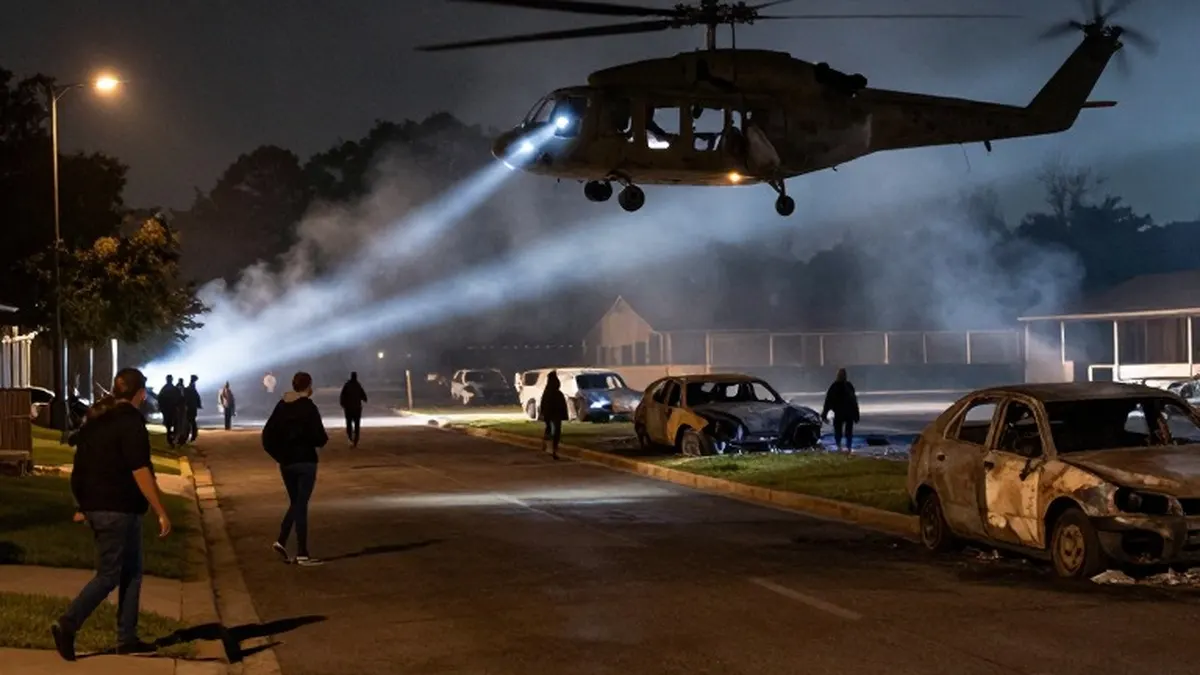
Witnesses and media footage captured the intensity of the raid. Videos showed civilians fleeing from a baseball game at Kuroda Park stadium in Guasave as gunfire erupted. Players from the Venados de Mazatlán and Algodoneros de Guasave teams abandoned the field in the middle of the match. Additional imagery included burnt-out vehicles and rapid fire from helicopters, which appeared to belong to Mexican security forces, directed at the ground.
The fugitive had been on the radar of US authorities for many years. He was originally indicted in 2012, and in 2013, the US Treasury placed sanctions on him under the Kingpin Act, which froze his assets. In 2017, the US Department of State’s Narcotics Rewards Program began offering a reward of up to $5 million for information leading directly to his arrest or conviction. Despite this substantial bounty, he managed to evade capture until the recent raid.
Legal charges against Meza Flores include multiple counts of drug-trafficking violations, as well as the use and possession of a firearm in the United States. In Mexico, he was wanted for organised crime and offences against public health. The arrest of such a prominent figure is expected to intensify scrutiny on the remaining leadership structures of the Sinaloa and Beltrán Leyva organizations.
The operation highlights the continued coordination between Mexican and US law enforcement agencies in targeting key figures within the drug trade. The swift transfer of the suspects to Mexico City indicates an immediate move to formalize their legal status. Analysts will likely monitor the situation in Sinaloa closely as local factions react to the loss of a central leader who had evaded justice for over ten years.
The capture of El Chapo Isidro and his associates represents a significant milestone in the fight against transnational organized crime. The combination of military precision and intelligence sharing proved effective in overcoming the suspects’ defenses. As the legal process begins, the focus will shift to the evidence gathered during the raid and the potential implications for the broader drug trafficking networks in Mexico and the United States.