Apple Increases Folding Phone Production Targets
Manufacturing orders for the new folding iPhone have surged significantly to meet unexpected market demand.
By Thabo Mokoena ·
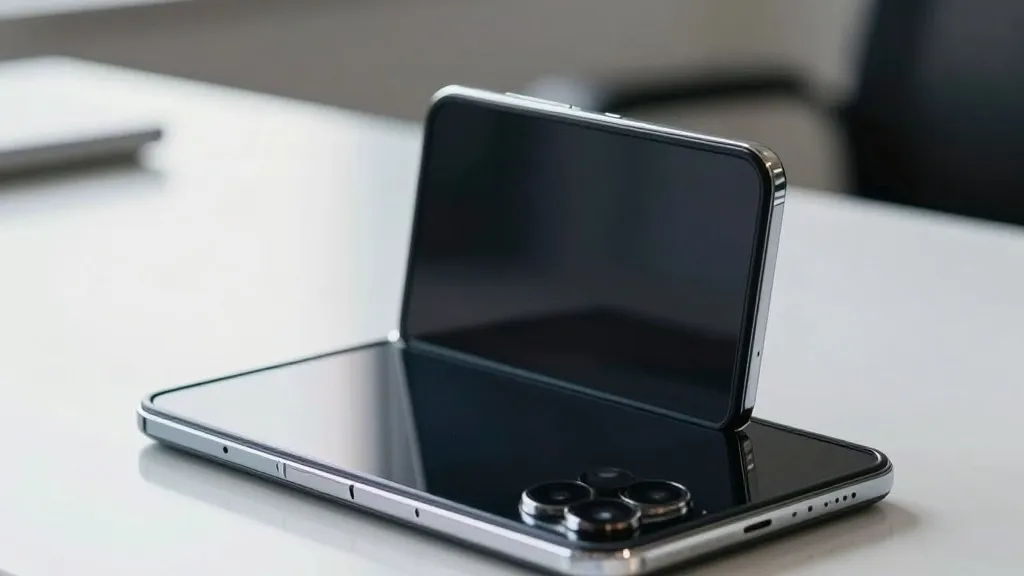
Customers who placed pre-orders for the newly released folding iPhone are now facing longer waiting periods, with some estimates extending into late January. This shift in delivery schedules marks an immediate change for early adopters, who must now wait longer to receive the device compared to standard release timelines. The extended delays have prompted Apple to take significant action within its supply chain to address the gap between consumer interest and available inventory.
The primary driver behind these logistical adjustments appears to be exceptionally high consumer interest. Supply chain reports indicate that Apple has increased its production orders by more than forty percent. This substantial increase in manufacturing targets is a direct response to what the company officially characterized as extraordinary demand. While Apple frequently employs such language during new product launches, the scale of this production ramp-up suggests that the initial surge in orders was not merely a marketing phenomenon but a genuine spike in purchasing intent.
When pre-orders opened on Friday, the system immediately began assigning later shipping dates. It was initially ambiguous whether these delays were caused by a shortage of finished goods or simply an overwhelming volume of requests. However, the subsequent increase in production targets provides strong evidence that the latter scenario was correct. The company also implemented a policy limiting purchases to two units per customer, a measure designed to curb the activity of scalpers who might otherwise purchase large quantities for resale.
Despite the initial confusion, some early customers have since received updated shipping dates that are earlier than their original estimates. This correction aligns with reports from DigiTimes, which cite supply chain sources indicating that Apple is actively ramping up its manufacturing output. The adjustment in delivery windows suggests that the production lines are scaling faster than anticipated, allowing the company to process the backlog of orders more efficiently than initially projected.
Looking ahead, Apple has revised its shipment projections for the first twelve months of the product's lifecycle. The company now expects to move fourteen million units, a significant increase from the previous target of nine million. This upward revision reflects management's confidence that the strong demand observed during the launch phase will persist, rather than being a short-lived spike driven by early adopters seeking the latest technology.
However, early users are already encountering software-related challenges. Third-party applications have not yet been fully optimized for the new device's unique form factor and interface. Apple has stated that the situation is improving rapidly as developers adapt their codebases to support the new hardware. Early reviews, based on a week of usage, consistently highlight app support as a key area of focus, alongside the device's physical design and performance metrics.
One of the notable design decisions in this launch was the inclusion of Touch ID rather than the facial recognition system used in previous flagship models. This move was noted in several initial assessments as a potential compromise. Nevertheless, new reports suggest that Apple is already testing prototypes for the second generation of the iPhone Duo. These upcoming models are reportedly being tested with Face ID, indicating that the company may revert to its preferred biometric authentication method in the next iteration.
For the national audience, this development signals a robust market reception for the folding smartphone category. The combination of increased production, revised sales targets, and ongoing software improvements suggests that Apple is committed to supporting this new product line aggressively. While early adopters face some initial friction, the company's rapid response to supply and software needs points to a stable long-term trajectory for the device.
Source: 9to5Mac