Canada ends remote border program for travelers
Effective December 1, all entry into Canada requires reporting through designated telephone sites, replacing the previous self-declaration model.
By Emmanuel Faure ·
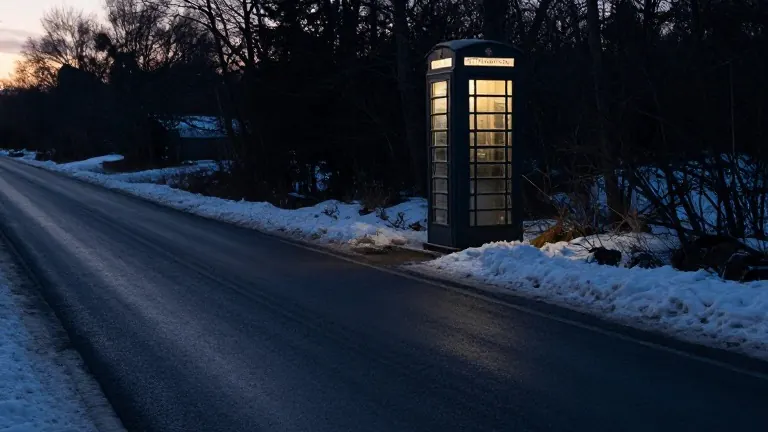
The Canada Border Services Agency is replacing its Remote Area Border Crossing program with a system that mirrors U.S. Customs and Border Protection procedures. The change takes effect at 12:01 a.m. on Dec. 1, requiring all travelers to report their arrival through specific telephone locations.
Under the old rules, approximately 11,000 members used the program annually. Ninety percent of those users were American citizens. They did not need to present themselves physically at a port of entry, but they were required to declare any goods brought into the country.
The agency announced the changes in an August press release. It stated the new measure would ensure a consistent level of security. The release also noted the shift would align Canadian procedures with how travelers report to U.S. Customs and Border Protection when entering the United States in remote areas.
To facilitate the transition, the agency established 17 new designated telephone reporting sites. Most of these locations are in Ontario. There are approximately three sites near Lake Superior, four near Lake of the Woods, two near Rainy Lake, and two near Rainy River.
Travelers who fail to report their arrival face enforcement action. The agency lists monetary penalties, seizure of goods or vehicles, and possible criminal charges as potential consequences. U.S. Customs and Border Protection rules already require every person arriving at a port of entry to undergo inspection by officers.
The Remote Area Border Crossing program ends at 11:59 p.m. on Nov. 30. After that time, the telephone reporting mandate applies to all entry points covered by the previous exemption.