Catholic imagery dominates horror films
A new book argues that specific theological themes and visual cues make Catholicism the preferred backdrop for Hollywood's monsters and villains.
By Alina Marshall ·
Halloween viewers often notice a recurring pattern in the horror genre. While monsters vary in appearance, religious elements tend to follow a specific script. That script is almost exclusively Catholic.
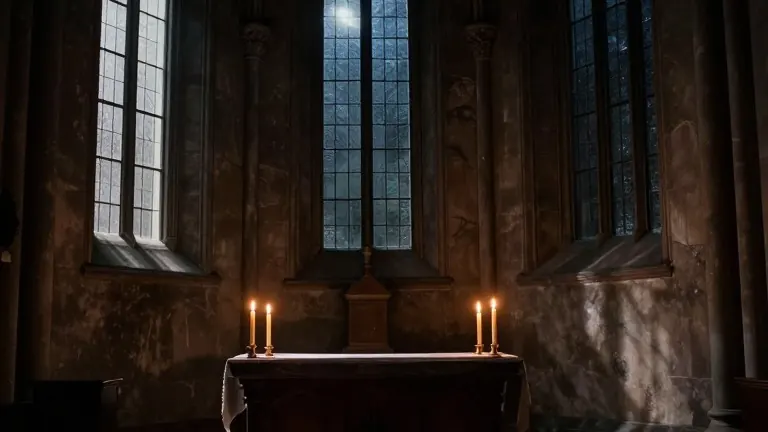
This observation is the central argument of "Body And Blood," a new book co-authored by Matthew Cressler. The text examines why Hollywood consistently turns to Catholic symbols and rituals for its scary movies. Cressler notes that the genre relies on specific visual cues, such as Gothic churches and white clerical collars, to establish a tone of danger.
The film industry has built a long history on these tropes. "The Exorcist" features priests casting out demons from a possessed child. "The Omen" shows a priest warning a father about a child with a direct link to Satan. "Rosemary's Baby" depicts a lapsed Catholic becoming the vessel for a demonic offspring. These examples illustrate a theme where the Catholic Church acts as the primary interface between the human world and the supernatural.
Cressler argues that the connection is practical as well as aesthetic. When a vampire appears or a child is possessed, audiences instinctively expect a Catholic priest to respond. He suggests that other denominations lack the same cultural resonance for these specific types of supernatural threats.
Theological concepts also align with horror narratives. Cressler points to the Catholic understanding of suffering as a way to draw closer to Christ. This idea resonates with the pain and sacrifice common in horror plots. Aislinn Clark, a horror director who grew up Catholic, agrees. She recalls her childhood perspective on the Eucharist, where the priest identified bread and wine as the body and blood of Christ. Clark described the ritual as feeling similar to cannibalism to her young, horror-focused mind.
Filmmakers have taken these religious ideas and intensified them for dramatic effect. The 2019 film "Saint Maud" features a nurse who recreates the suffering of Jesus by lining her shoes with metal spikes. Cressler notes that Catholic themes can appear even in films that are not explicitly about the faith. He cites the practice of venerating the remains of the dead as a parallel to keeping a mummified corpse in a basement, a trope seen in "Psycho".
Religious figures consult on films to ensure accuracy in these portrayals. Aaron Williams, a pastor at St. Mary's Basilica in Mississippi, served as a consultant for the 2025 film "The Ritual." Williams explains that a priest does not act with personal authority but rather with the sacramental authority of Christ. This heightened status allows the character to confront demonic forces in the narrative.
Some films use these elements to critique the church itself. Clarke's 2018 film "The Devil's Doorway" includes bleeding statues and demonic possession. However, Clarke identifies the most disturbing scene as one where nuns sing hymns while ignoring a woman in labor. The scene juxtaposes religious devotion with human suffering.
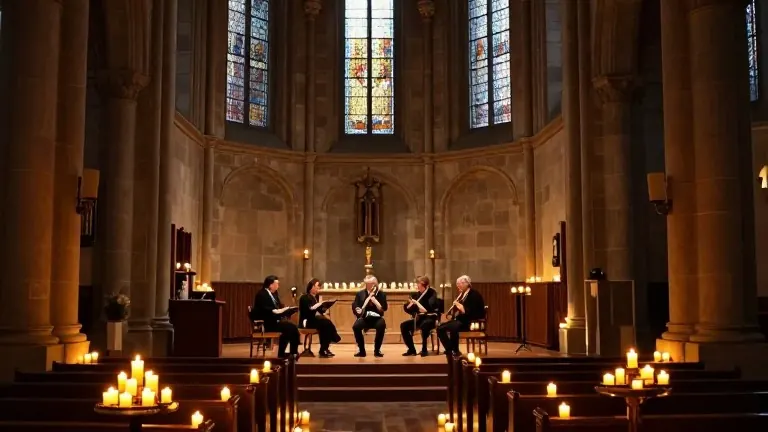
Cressler says that these repeated images shape how viewers perceive the church. A room filled with excessive candles, crosses, and statues signals danger to an audience conditioned by these films. He argues that horror movies use these symbols to make abstract concepts of sin and redemption tangible, allowing viewers to confront and defeat monsters, at least until the next sequel.
Source: KIOS-FM