Chesapeake Bay Study Finds Microplastics in Every Sampled Waterway
PennEnvironment researchers report that 100% of tested sites contained microfibers, attributing the pollution to high U.S. plastic waste generation and low recycling rates.
By Emmanuel Faure ·
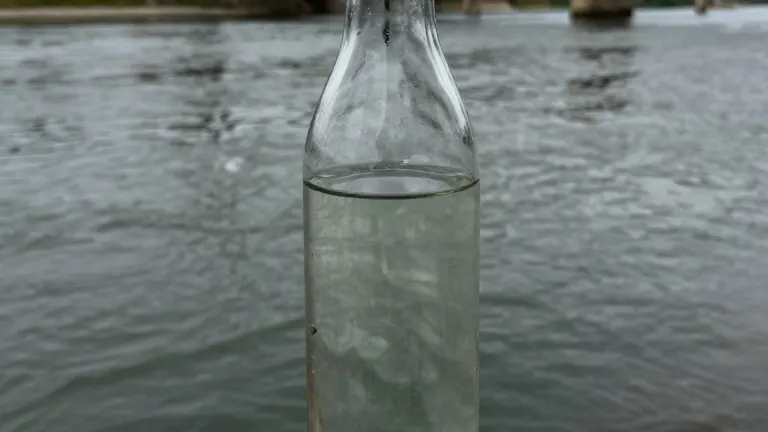
A new study released Tuesday confirms that microplastic pollution exists in every waterway sampled within the Chesapeake Bay watershed. The research team, led by the PennEnvironment Research & Policy Center, tested sites across the entire six-state region, which includes Maryland, Delaware, New York, Pennsylvania, Virginia, and West Virginia, along with flows from Washington, D.C. The findings indicate that microplastics are not isolated incidents but a pervasive feature of the bay's current state.
The researchers described the results as "jarring" based on the prevalence of four specific types of microplastics. They measured particles smaller than 5mm in length. The data shows that 100% of the sampled waterways contained microfibers. Ninety-three percent of the areas tested had microfragment material. Microfilm was present in 47% of the sampled areas, while 27% of the sites contained microbeads.
The primary driver of this contamination is the volume of plastic discarded by humans. The study estimates that Americans generate 35 million tons of plastic waste annually. Only about 6% of that material is recycled. The remaining waste breaks down over time into the tiny pieces found in the water samples.
"A growing area of concern regarding our plastic waste is the environmental and public health threat posed by these microplastics," the scientists wrote in the report. They noted that these particles are severe suffocation and starvation hazards for wildlife and have been detected in air, food, and human bodies.
The study identifies a gap in current scientific knowledge regarding human health. While water levels of microplastics are well-documented, the authors stated that more research is needed to understand the full scope of health effects in humans. The team included assistance from several other research institutions and individuals to compile the data.
To address the issue, the researchers urged federal, state, and local leaders to implement specific policy changes. They proposed that states create producer responsibility laws to shift the burden of recycling difficult waste onto the corporations that create it. They also recommended that states approve water bills that offer financial incentives for recycling plastics.
The report calls on the U.S. Congress to make programs like bottle deposits more widespread. It further advises states in the watershed to join local municipalities in passing laws that phase out unnecessary single-use plastics, including polystyrene food service products, single-use plastic bags, and plastic utensils.