Defense rests in trial of man accused of killing McKeesport officer
Prosecutors argue the veteran knew right from wrong, while the defense claims he suffered from severe delusions.
By Madison Darwish ·
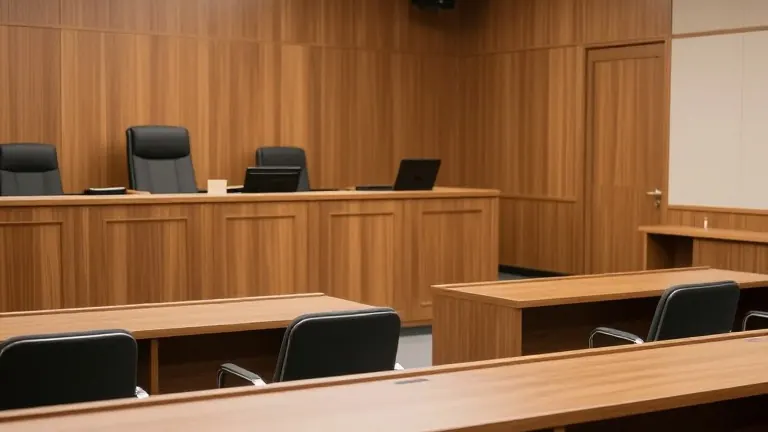
The jury in the trial of the man accused of killing McKeesport Police Officer Sean Sluganski has heard the final defense arguments. The central question for the twelve jurors is whether the defendant was legally sane when he fired at Sluganski and Officer Chuck Thomas, or if he should be found not guilty by reason of insanity.
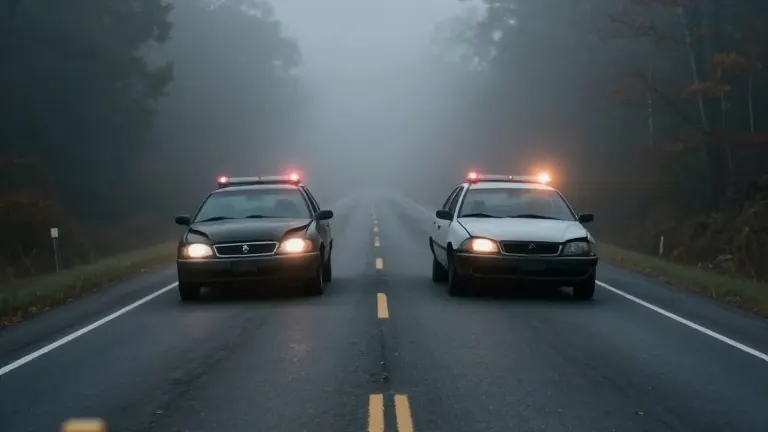
Defense attorney Carmen Robinson presented a case built on the idea that the veteran was trapped in a delusion. For months, the defendant believed both his family and the police were trying to kill him. During the weeklong defense case, lawyers focused on the police chase of a man in a mental health crisis. They called the defendant's brother, George Tyler, to the stand. Tyler testified that his brother ran in fear for his life. He specifically accused Officer Thomas of revving his engine and trying to hit him.
The defense also brought in a mental health expert. This witness testified that the Afghanistan War veteran returned from service with PTSD, bipolar disorder, and severe psychosis. Based on this testimony, the defense argued the defendant was in a state of delusion when he shot at the officers.
In rebuttal, the prosecution called Dr. Bruce Wright. Wright conceded the defendant suffered from PTSD and schizophrenia. However, he argued the mental state did not meet the legal standard for insanity. That standard requires a defendant to be unable to distinguish right from wrong at the time of the shooting. Wright stated the defendant knew what he was doing and knew it was wrong. He also said the defendant had the capacity to form the intent to kill.
Wright pointed to specific actions as evidence of sanity. He noted the defendant ran from the scene, which indicated guilt. He also cited a hospital bed interview where the defendant held his head and apologized to the Sluganski family. Wright argued that a person who does not know something is wrong would not apologize. However, during that same interview, the defendant said he was in and out of blackouts during the incident.
Robinson challenged Wright's methodology during cross-examination. Wright conceded he did not interview family members or the officers involved. He also did not interview the defendant until more than two years after the offense. Robinson called his findings subjective and questioned how Wright could determine the defendant's mental state at the exact moment of the shooting.
The prosecution has one final rebuttal witness, an expert in the use of force. Both sides are expected to give their summations on Friday. The jury will then begin deliberations before the end of the day.