Democratic Strategy: New Leaders Pitch 'TrumpCare' and Historical Legacy to President
Freshly elected Democrats are proposing universal healthcare and commemorative honors to encourage legislative cooperation with the White House before the next Congress convenes in January.
By Emmanuel Faure ·
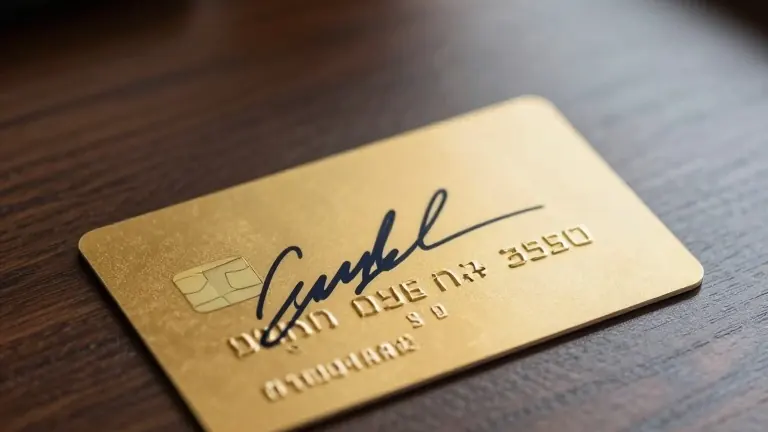
Michigan Sen.-elect Abdul El-Sayed has proposed a universal healthcare plan that puts Donald Trump’s name front and center.
The proposal, which El-Sayed calls “TrumpCare,” involves issuing a gold insurance card to Americans. On social media, El-Sayed shared mock-ups of the card where Trump’s name and signature appear much larger than the text reading “Medicare for All.” The plan aims to guarantee healthcare for every American from cradle to grave. El-Sayed, who won his Senate race after Trump labeled him a terrorist sympathizer, framed the offer as a direct invitation for the president to secure a lasting legacy.
Texas Sen.-elect James Talarico is taking a similar approach by comparing Trump to Lyndon B. Johnson. At the What’s Next conference in Denver, Talarico noted that Johnson is remembered for shaping civil rights and social services. He suggested that Trump could earn similar recognition through plaques, portraits, and busts on Capitol Hill. Talarico stated that if the president wants these honors, Democrats can help make that a reality. He emphasized that while some reforms might not pass until 2029, the American people cannot wait two years for change.
House Speaker-elect Hakeem Jeffries has also signaled openness to cross-aisle collaboration. He said Democrats will work with the other side wherever and whenever possible to deliver for the American people. This strategy acknowledges that new laws require the president’s signature. The approach also serves a political purpose by demonstrating that the party is serious about the work of legislating.
Trump has indicated he does not want to spend the final two years of his presidency solely vetoing Democratic bills. In an interview with Stephen A. Smith, the president said he expects Democrats to eventually call for a deal on healthcare and drug prices. However, his past dealmaking has been inconsistent. The appointment of Stephen Miller as White House chief of staff may complicate negotiations. Jeffries described Miller as a “stone-cold racist” and said he has “zero interest” in working with him.
The political stakes are high for both sides. According to the AP Voter Poll, which surveyed more than 100,000 midterm voters, about six in 10 voters nationally said the federal government should play a bigger role in helping Americans get healthcare. The Congressional Budget Office estimated in 2022 that various single-payer options could increase federal subsidies for health care from $1.5 trillion to $3 trillion by 2030. Democrats are betting that the pressure of rising costs will force the administration to the negotiating table.