
Bills Defeat Chiefs 13-10 on Final-Second Field Goal Amid Clock Controversy
A last-second field goal by Tyler Bass secured a victory for Buffalo, but questions remain about whether the clock operator gave the team extra time in the closing seconds.
By Madison Darwish ·
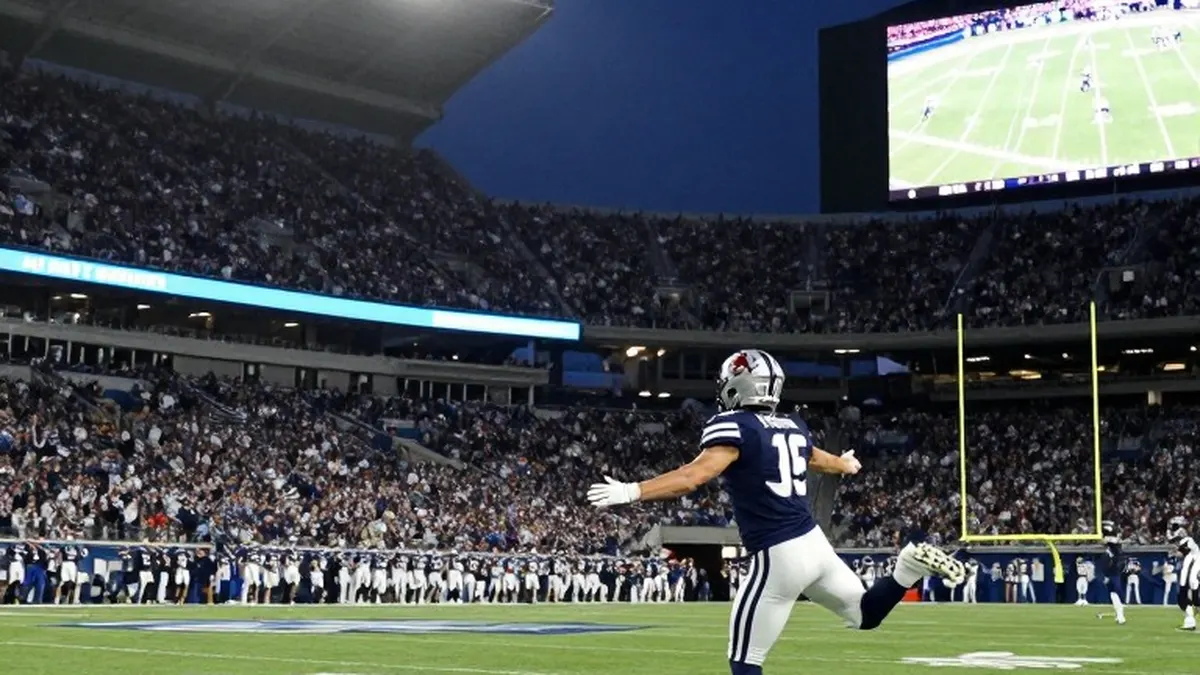
The National Football League delivered a dramatic conclusion to its Thanksgiving slate on Thursday, with the Buffalo Bills defeating the Kansas City Chiefs 13-10. The game ended on the final play when Bills kicker Tyler Bass successfully converted a 57-yard field goal. While the result was decisive, the manner in which the final seconds unfolded has sparked debate among analysts and fans regarding the accuracy of the game clock.
The controversy centers on a sequence of events that began with a punt by Buffalo. The Chiefs took possession at their own 11-yard line with 26 seconds remaining. Because the Bills had already used all three of their timeouts, Kansas City could not simply kneel the ball to force overtime. The Chiefs were forced to attempt a drive to keep the ball alive, leading to a chaotic endgame scenario.
On the first play of the series, quarterback Patrick Mahomes fumbled the snap from the shotgun formation. The ball was recovered, and the Bills immediately called a timeout. The clock stopped at 19 seconds. However, before the Chiefs began their next play, six seconds were added to the game clock, bringing the time back up to 25 seconds. This adjustment meant that the first-down play officially consumed only one second of game time.
Ryan Paganetti, a Super Bowl-winning analytics consultant, highlighted this discrepancy in a widely shared analysis. Paganetti noted that the whistle blew with 24 seconds left on the clock. Considering the time required for Bills head coach Joe Brady to call a timeout, he argued that at least three seconds should have elapsed during that play. The one-second duration has left many observers puzzled about the clock operation.
The game continued with Emmett Johnson gaining five yards on the next play. That down started with 25 seconds remaining and ended when officials blew the whistle at 19 seconds. Similar to the previous play, one second was added to the clock before the next snap, moving the time to 20 seconds. On third down, Mahomes threw an incomplete pass to Travis Kelce, leaving 15 seconds on the clock.
With limited time remaining, the Chiefs opted to punt. The kick was tipped by a Bills defender, allowing returner Greg Dortch to make a 17-yard return to the Kansas City 39-yard line. Dortch was tackled with four seconds left, providing just enough time for Bass to attempt and convert the game-winning kick.
Analysts are divided on the exact impact of the clock adjustments. One count suggests the Bills received an extra three seconds, which would still have allowed Bass to attempt the kick with one second remaining. Other NFL reporters estimate the benefit was between four and seven seconds. This range is significant because it could have altered the strategic options available to the Chiefs on their final possession.
If the Bills had received four to seven extra seconds, the Chiefs' final punt would have occurred with eight to 11 seconds left rather than 15. In that scenario, Greg Dortch might have elected to fair catch the punt. A fair catch can lead to a free kick opportunity, which can be executed even if the clock reaches zero during the play. Alternatively, the Chiefs could have punted out of bounds or hit the ball low to prevent a fair catch, potentially keeping the clock alive for one more play.
While it is difficult to definitively state that the clock error cost Kansas City the game, the Bills clearly benefited from the additional time. The Chiefs also faced another late-game controversy in the fourth quarter when a catch by Rashee Rice for a first down was overturned by officials. Rice maintained that he secured the ball, but the referees disagreed with that assessment.
The incident serves as a reminder to fans that the Chiefs are not immune to unfavorable outcomes or officiating disputes. Despite the perception that Kansas City often receives favorable calls, this Thanksgiving game demonstrated that the team can face challenges from both opponents and the officials on the field.
More News · National news · Report a business · Got a Story?