DNC Sets 12 Debates for 2028 and Mandates Dark Money Rejection
The committee will hold five debates in 2027 and seven in 2028, with eligibility contingent on candidates denouncing outside spending with hidden donors.
By Alina Marshall ·
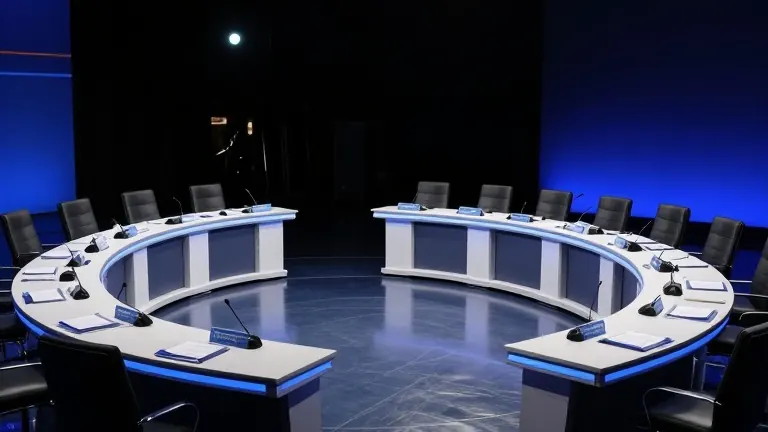
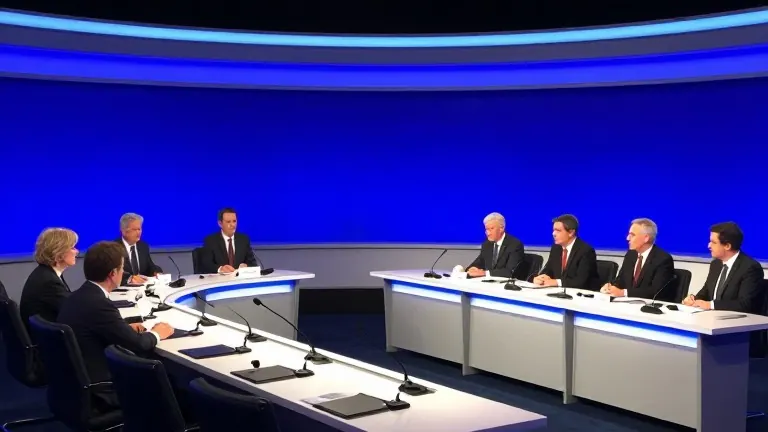
The Democratic National Committee announced on Monday that it will host 12 primary debates during the 2028 presidential election cycle. The schedule includes five debates in 2027, with the first two occurring in June and July. The remaining seven debates will take place in 2028.
Six of the 2028 events will be staged in states holding early primaries or caucuses. Those states are South Carolina, Nevada, New Hampshire, New Mexico, Michigan, and Virginia. This structure mirrors the 2020 cycle, which featured 11 debates starting in June 2019. Some of those earlier events also spanned two nights.
DNC Chair Ken Martin stated in a written statement that the party is on the offensive following its midterm election victories. He claimed the debate process will keep the party united and strengthen the eventual nominee. Martin said the committee is keeping its foot on the gas as it heads into the next cycle.
The DNC expects many Democrats to run, which could lead to large candidate pools. If too many candidates qualify, the committee may split debates across two nights. In that scenario, qualifying candidates would be assigned to one night per debate, with a maximum of 20 candidates across both nights.
A central requirement for participation is a pledge to denounce any dark money spending on a candidate's behalf. Dark money involves political spending where donor identities are obscured. Campaigns must report and denounce spending by outside groups that promote the candidate or oppose their rivals. Candidates who fail to do so will become ineligible for the next scheduled debate.
The rule does not ban dark money spending itself, as candidates cannot control outside groups. The violation occurs when a candidate fails to denounce the spending. The DNC noted that dark money spending by candidates is not a breach of the pledge unless the candidate neglects to publicly reject it.
Candidates must also pledge not to join joint fundraising agreements with party committees. They must not coordinate ad spending with state, county, or local parties during the primaries. If such coordination happens, the spending must be refunded. The DNC said this keeps party committees neutral. This provision follows a Supreme Court ruling earlier this year that lifted limits on coordinated spending between candidates and parties. The pledge does not apply to the general election.