Trump, Xi and Putin Set for Shenzhen Summit With Global Order in Focus
The leaders of the United States, China and Russia will hold a trilateral summit in Shenzhen on Thursday, with nuclear arms control and the wars in Iran and Ukraine expected to dominate the agenda.
By Emmanuel Faure ·
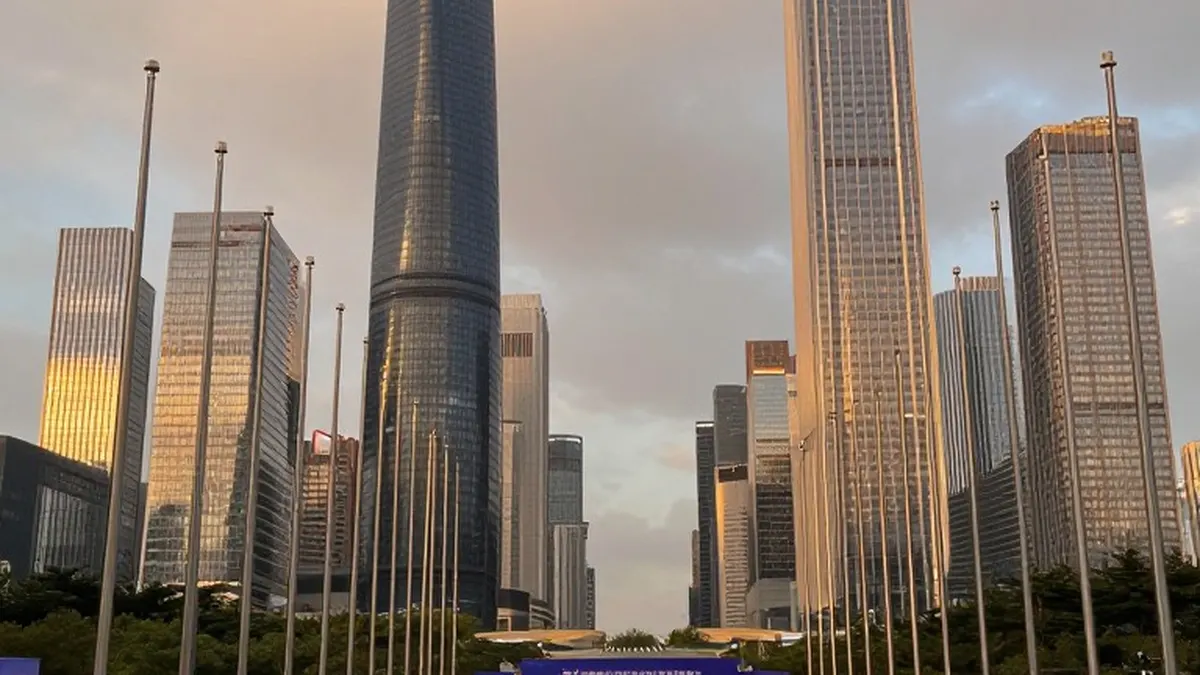
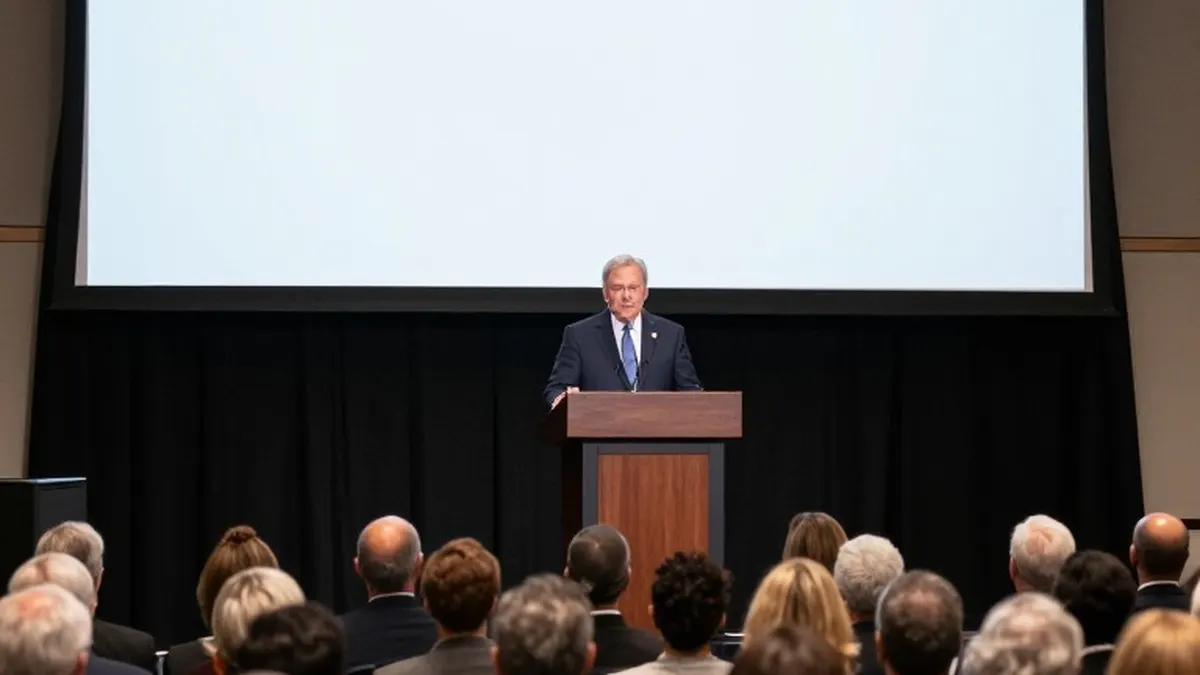
The leaders of the United States, China and Russia are set to gather Thursday in Shenzhen for a trilateral summit that could carry significant consequences for the future of the international order. President Donald Trump, President Xi Jinping and President Vladimir Putin are expected to take up nuclear weapons, the wars in Iran and Ukraine, and the wider balance of power among the world's leading nations.
The meeting coincides with the Asia-Pacific Economic Cooperation gatherings, which China is also hosting in Shenzhen, giving Beijing a stage to present itself as a central force in international diplomacy and economic cooperation. Chinese Foreign Ministry spokesperson Guo Jiakun said Wednesday that the three leaders would hold an in depth exchange of views on major issues concerning global peace, according to the state news agency Xinhua.
Trump's arrival extends a long tradition of American presidential travel to China that began with Richard Nixon's landmark 1972 visit, which ended more than two decades of diplomatic isolation between Washington and Beijing. Gerald Ford, Ronald Reagan, George H.W. Bush and Bill Clinton all followed, George W. Bush traveled there at least four times between 2001 and 2008, and Barack Obama made several trips. Trump himself has visited twice before, once in his first term and again in May 2026. The country he encounters now has moved well beyond the doctrine of "hide your strength, bide your time" associated with Deng Xiaoping's reform era, and its rapidly expanding navy points to ambitions that could challenge the order led by the United States.
Xi personally greeted Trump at Shenzhen Bao'an International Airport on Wednesday, with Xinhua describing an elaborate reception featuring military honors, national anthems and Chinese fighter jets flying overhead. The display echoed Xi's arrival at Joint Base Andrews on September 23, when two B-1B Lancer bombers roared over the ceremony after Trump and First Lady Melania Trump welcomed Xi and his wife, Peng Liyuan, on the tarmac.
Later Wednesday, Xi and Peng hosted a banquet for leaders attending APEC, where Xi portrayed Shenzhen as an example of China's economic transformation and said openness was deeply rooted in the city's identity. According to Xinhua, the gathering brought together more than 2,000 representatives from 21 APEC economies and 13 additional economies, among them Britain, France, Germany and Switzerland. APEC members account for roughly 40 percent of the world's population, more than 60 percent of global GDP and nearly half of international trade.
Xi also met Putin in Shenzhen on Wednesday, ahead of the three way summit. Xi said relations between China and Russia had brought greater stability and certainty to a world experiencing turbulence, highlighting two anniversaries: 30 years since their strategic partnership of coordination was established and 25 years since their Treaty of Good-Neighborliness and Friendly Cooperation was signed. He called for deeper cooperation toward a multipolar world and what Beijing describes as the democratization of international relations, language that stands in contrast to the system built under American leadership after the Cold War.
Nuclear arms control is expected to dominate Thursday's agenda. Trump has expressed interest in reducing nuclear weapons and potentially establishing new restrictions covering the world's three leading nuclear powers, according to a report summarized by Al-Ain in the United Arab Emirates. Trump has also indicated that Iran and Ukraine could both be raised, despite earlier signals from American officials that Ukraine would not be on the formal agenda. Al-Ain cited Axios reporting that European officials worry Trump might make concessions on Ukraine, with decisions affecting their security potentially discussed without their direct participation.
The summit unfolds against a strained international system. The war involving the United States, Israel and Iran has disrupted energy markets and maritime trade, while Russia's war in Ukraine continues to divide Moscow from Western countries. China, a major consumer of Middle Eastern energy, has a direct economic stake in restoring stability to the Gulf and protecting shipping routes.
Whether the meeting becomes the start of a more stable international framework or simply another encounter between leaders whose strategic interests remain fundamentally opposed remains to be seen. For China, hosting reinforces its claim to a central role in global diplomacy. For Russia, participation shows Moscow remains a player in decisions about international security. For Trump, it is an opportunity to pursue agreements that could reshape relations among the world's leading powers.