
Eisenkot Bloc Stalls October 7 Inquiry Bill, Angering Bereaved Families
A week after Israel's new Knesset was sworn in, the bloc led by Yashar chief Gadi Eisenkot has frozen its promised legislation for an October 7 state commission of inquiry, prompting fury from bereaved families who say a flagship campaign pledge is being abandoned.
By Madison Darwish ·
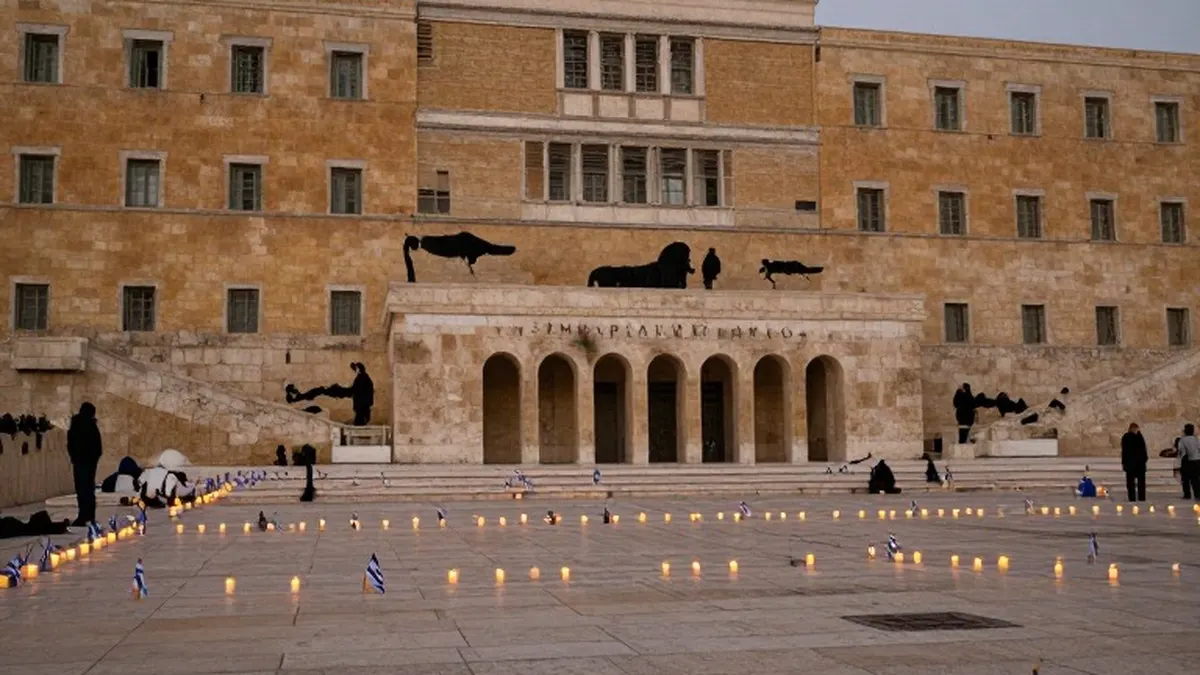
Just a week after the new Knesset was sworn in, the political bloc led by Yashar party head Gadi Eisenkot has put its promised legislation to establish a state commission of inquiry into the failures surrounding Hamas's October 7, 2023, onslaught on hold, drawing the ire of bereaved families who say a central campaign promise is being pushed aside.
In the run-up to the October 27 election, opposition leaders pledged to make the inquiry one of their first initiatives, after three years of resistance from Prime Minister Benjamin Netanyahu's government. Two days after the vote, Eisenkot vowed to begin advancing key campaign pledges, including the commission of inquiry, as soon as the Knesset convened on November 10.
The Eisenkot-led bloc did submit legislation paving the way for such an inquiry on the Knesset's opening day, alongside several other bills. But while it has since taken steps to advance other legislative priorities, such as establishing dedicated committees, no comparable action has been taken to move the inquiry bill forward.
"Your time is running out, and so is our patience. First, a state commission of inquiry; then your politics," the October Council, an organization of October 7 survivors, former hostages and bereaved families critical of Netanyahu's government, told the Ynet news site on Monday in a message to the bloc's leaders. The families said bloc leaders, who had promised them an inquiry immediately after the election, are now occupied with the Haredi conscription law, repealing judicial overhaul laws, establishing committees and arranging their political agenda, while what they called their first and most important promise is being pushed aside.
In the weeks before the closely fought election, all four parties in Eisenkot's bloc promised to make the inquiry a top priority. In a joint letter on September 8, the leaders pledged to establish a commission "immediately upon the formation of the 38th government under our leadership." B'Yachad party chairman Naftali Bennett said on October 17 that the new government would be sworn in and immediately hold a first Knesset meeting to vote on establishing the inquiry.
Neither bloc emerged from election day with a Knesset majority, and Eisenkot has yet to form a government after receiving the mandate from President Isaac Herzog last week. Until a new government is formed, Netanyahu remains caretaker prime minister, with his right-wing coalition retaining broad executive authority over military operations, national security and foreign affairs, despite lacking the parliamentary majority to advance its legislative agenda.
A state commission of inquiry can be established only by a government decision, and changing that process would require new Knesset legislation, which would take time. Ynet reported on Sunday that the Yashar-led bloc decided to freeze the inquiry legislation on the understanding that it cannot be advanced during the Knesset's transitional period, and has instead turned its focus to other key issues. With the prospect of another election if coalition talks fail, the bloc is reportedly prioritizing legislation it believes can realistically pass within the limited window.
Eisenkot has until December 6 to form a government, with the possibility of a two-week extension. After that, another candidate may be tasked with forming a government, followed by a 21-day period in which any 61 lawmakers can come together to pick a prime minister. When that period ends, new elections are called automatically.
A Yashar spokesperson told The Times of Israel that the bloc had not abandoned efforts to establish an October 7 commission of inquiry and was simply prioritizing legislation with more immediate time constraints. As an example, he pointed to efforts to repeal judicial overhaul legislation, particularly a law weakening the attorney general's powers that is due to take effect on January 1, arguing the approaching deadline makes it a more urgent priority.
The October Council rejected arguments that political constraints or scheduling justify a delay. "You promised this would be your first decision. You promised it would happen in the first minutes. You promised that the truth comes before everything. Now keep your promise," it demanded. The council warned that if the bloc continues to delay, it would face "an uncompromising public struggle" by bereaved families, hostage families, survivors and other Israelis demanding "truth, accountability and justice."