Elections Committee Dismisses Most Likud Fraud Claims as Inflated
A review of nearly 800 complaints filed by the Likud party reveals that only five cases warrant further investigation, prompting officials to describe the rest as recycled and fabricated.
By Madison Darwish ·
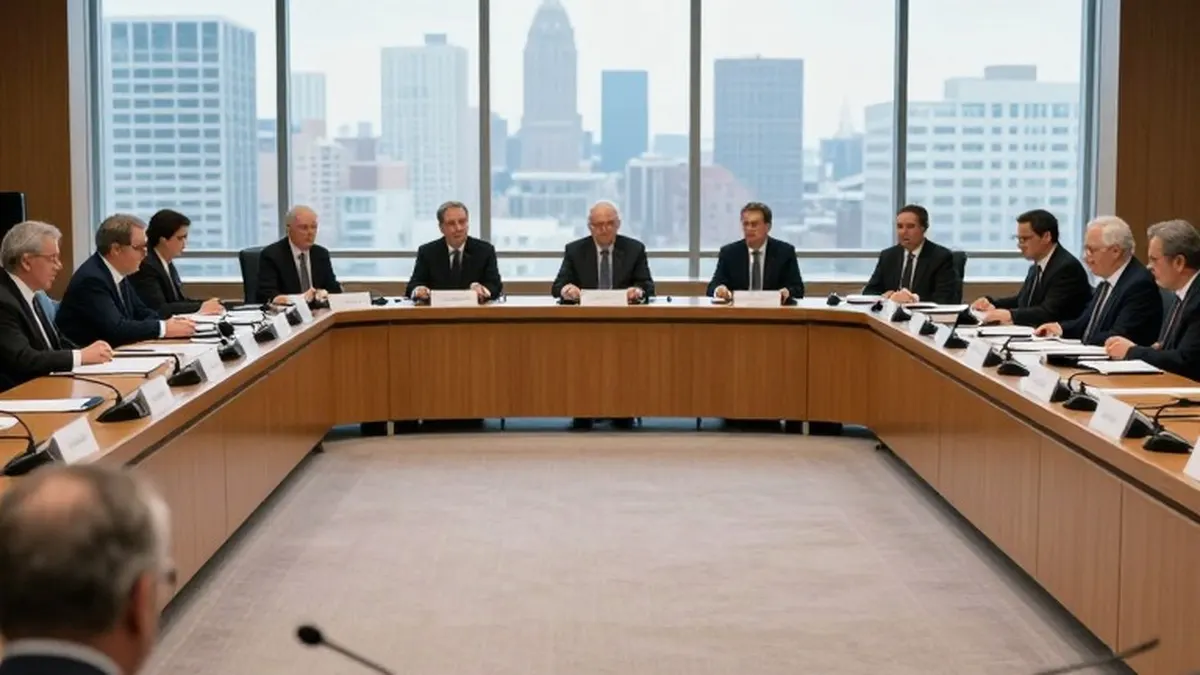
The Central Elections Committee has determined that the vast majority of election fraud complaints submitted by the Likud party do not require further scrutiny. According to a report released on Tuesday, only five of the 800 complaints filed by the party were deemed significant enough to warrant additional investigation. This finding stands in contrast to the broader narrative pushed by certain political factions regarding the integrity of the recent vote.
Senior officials with knowledge of the investigative process told Channel 12 news that the review uncovered significant duplication in the filings. In many instances, the same complaint was submitted multiple times by different entities. In other cases, a single incident was reported from various perspectives, creating the illusion of widespread irregularity. These officials characterized the bulk of the submissions as fabricated, noting that the Likud party appeared to be recycling previous claims.
The officials stated that the strategy behind these filings seemed aimed at delegitimizing the electoral outcome and causing harm to the results. They observed that the volume of complaints filed during the most recent elections was actually lower than in previous cycles, despite the intense focus on potential irregularities. The characterization of the claims as a tool for delegitimization highlights the ongoing tension between the ruling coalition and opposition parties regarding the validity of the count.
Other law enforcement sources provided to the television network indicated that only isolated incidents of electoral fraud occurred during the voting process. This assessment suggests that while minor issues may have arisen, they were not systemic or widespread enough to influence the overall outcome of the election. The consensus among these officials is that the election process remained largely sound despite the high number of formal complaints lodged.
Prime Minister Benjamin Netanyahu and other members of the coalition government have maintained that the election held on October 27 was stolen by Arab parties. They have cited allegations of bribery, intimidation, forgery, and other irregularities to support this claim. These accusations gained prominence following a record turnout among Arab voters, which contributed to the premier’s bloc losing its parliamentary majority in the Knesset.
Specific allegations emerged on and after election day suggesting that activists from the Ra’am party, which is majority Arab, engaged in a scheme to provide financial inducements to voters. The goal was reportedly to secure votes for Ra’am in exchange for these benefits. Three suspects were arrested in connection with this case, but all have since been released from custody. The case now appears likely to be closed without the filing of formal charges.
The Central Elections Committee announced last week that the Shin Bet investigation into allegations of vote-buying within the Arab community had not found evidence of bribes being paid on a scale that would affect the final results. This finding provides further support to the committee’s recent dismissal of the majority of Likud’s complaints. The security agency’s review focused on the extent to which financial incentives may have influenced voter behavior.
Earlier in the month, Noam Sohlberg, the chairman of the Central Elections Committee and Deputy President of the Supreme Court, addressed concerns regarding foreign interference. He stated that the information provided so far regarding suspicions of external involvement had not yielded concrete evidence of wrongdoing. Sohlberg noted that such evidence may not ever be found, suggesting that the investigation into this specific aspect of the election has not produced definitive results to date.