EU proposes sweeping sanctions targeting Russian banks, crypto, and sports
The European Commission has introduced its 22nd sanctions package, which includes removing 60 Russian banks from SWIFT and banning Russian athletes from competing under their national flag.
By Alina Marshall ·
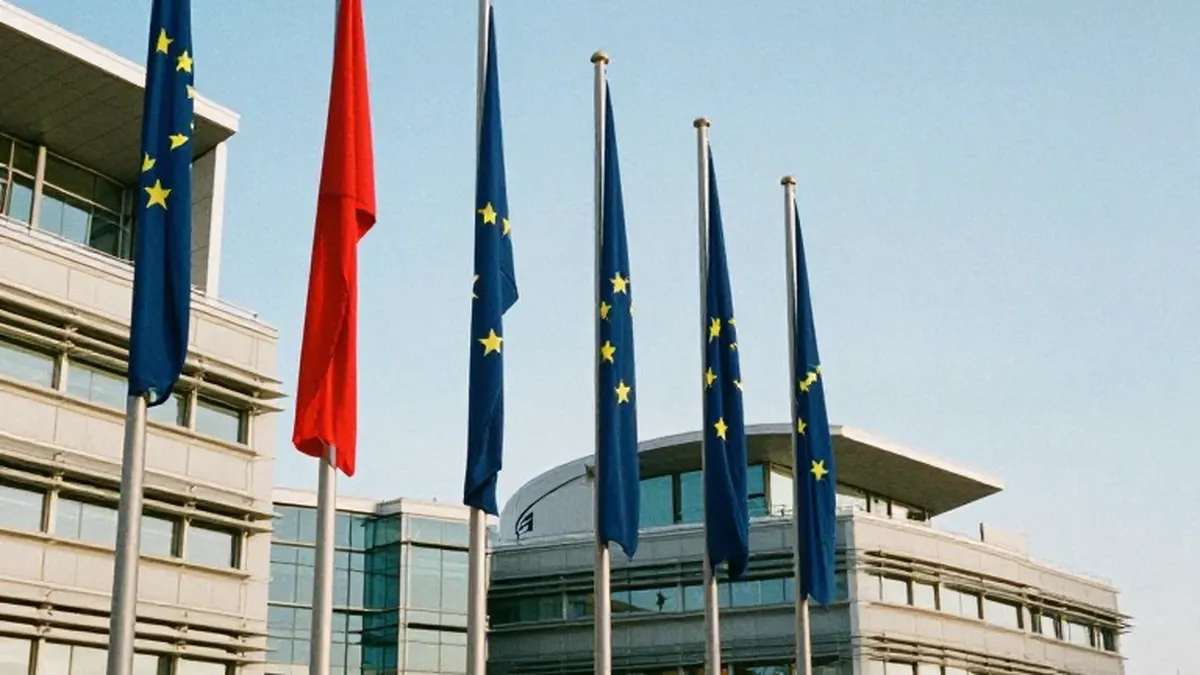
The European Commission has unveiled a new comprehensive package of sanctions aimed at Russia, focusing on its financial infrastructure, cryptocurrency platforms, and involvement in international sporting events. Commission President Ursula von der Leyen presented the 22nd package of measures on Monday, marking a significant escalation in the bloc's economic strategy against Moscow.
A central component of the proposal involves a ban on Russian teams and individual athletes competing under the flag of their home country at events held within the European Union. This move is designed to limit Russia's visibility and influence in European cultural and athletic arenas.
In a statement posted on the social media platform X, von der Leyen emphasized the intent to strike harder at the mechanisms Russia uses to finance its war effort. She highlighted the targeting of banks and crypto platforms as key levers of economic pressure. Furthermore, she declared that the EU would be shutting the door on Russian participation in European sports and cultural gatherings.
The financial aspect of the new sanctions is substantial. Von der Leyen announced that 60 Russian banks will be removed from the Society for Worldwide Interbank Financial Telecommunication, or SWIFT, messaging system. This system is critical for international payments. The measures are intended to sustain economic pressure on Russia, which is now almost five years into its full-scale invasion of Ukraine.
To address emerging methods of financial evasion, the commission proposed the creation of a dedicated crypto sanctions task force. This body will work to curb the activities of countries that assist Russia in bypassing existing sanctions through digital currency channels.
The package also introduces stricter visa regulations for Russian nationals. Specifically, it proposes a ban on visas for Russians who participated in the war in Ukraine as combatants. Von der Leyen argued that these ex-combatants pose a security risk to Europe and should not be allowed to move freely across member states without proper scrutiny.
Additional restrictions target the flow of money from Russian sponsors to sports and cultural associations based in the EU. The proposal also prevents Russian nationals from holding leadership positions within the governing bodies of sports federations. Von der Leyen stated that sports events should not serve as forums for propaganda activities, underscoring the political motivation behind the sports-related measures.
For the proposed package to go into force, it requires endorsement from all 27 EU member countries. This new set of measures arrives just over a month after the bloc implemented its largest sanctions listing to date. That previous move targeted approximately 1,600 Russian officials and companies linked to the arms industry.
The cumulative effect of these actions continues to expand the scope of the EU's response to the conflict. The bloc has already imposed sanctions on more than 4,200 people and entities. Notable targets include Russian President Vladimir Putin and several major energy companies, reflecting the broad reach of the economic strategy.