Al-Qadisiyah University Students Protest Sudden Removal of Male Faculty
Hundreds of female students in southern Iraq are demanding the return of their male professors after administrators cited gender segregation and family requests as reasons for the change.
By Alina Marshall ·
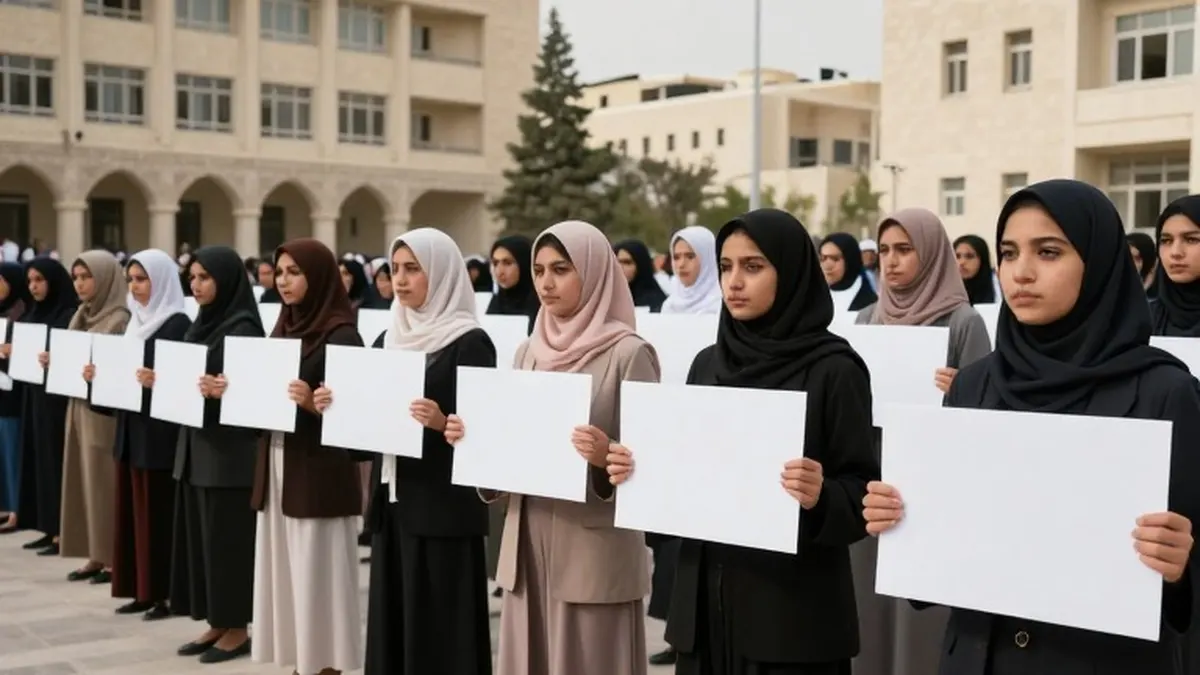
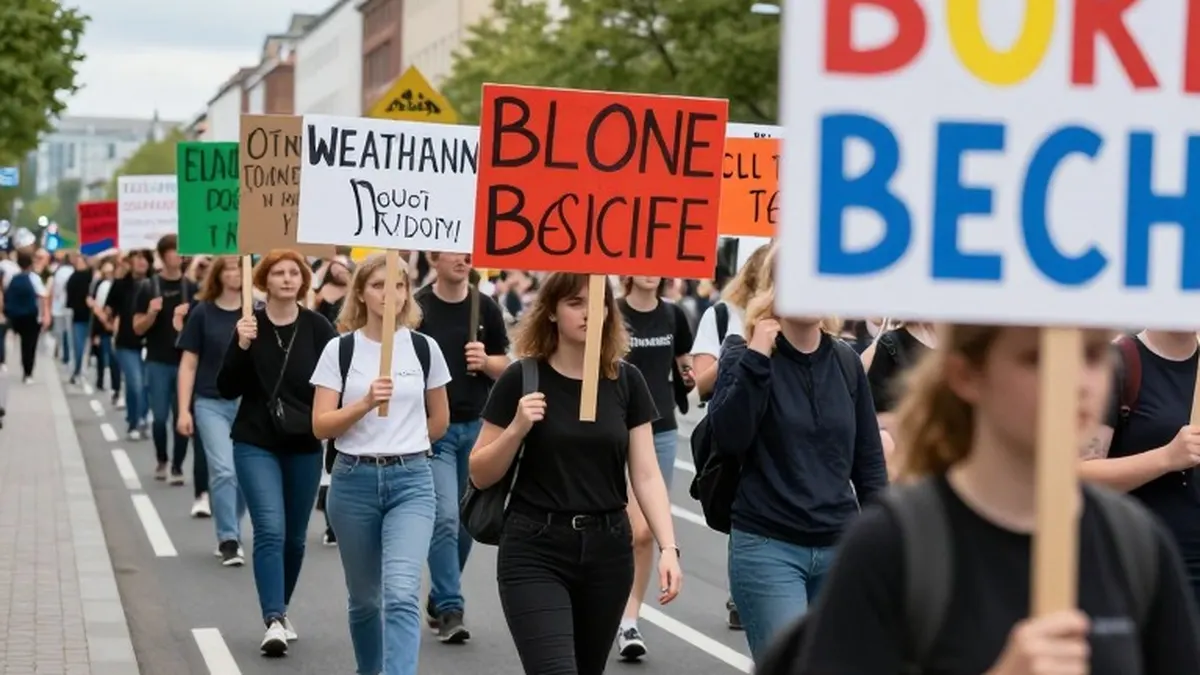
Protests have erupted at Al-Qadisiyah University in southern Iraq following the abrupt removal of male professors who taught female students. The decision has drawn sharp criticism from activists who describe the policy as resembling Taliban style gender segregation. Over the past two weeks, an estimated 400 women have joined demonstrations calling for their instructors to return to the classroom, a development that appears to have caught university administrators off guard.
The university administration stated that the move was necessary to prevent the mixing of men and women. Officials claimed the change was requested by the families of female students. However, students argue that their families were aware of the mixed gender teaching staff before enrolling. Many families have since expressed support for the students' right to protest, contradicting the university's initial justification.
Huda, a 22 year old student, recounted an incident where the university president, Rahi al-Yasiri, blocked the path of demonstrators with his bodyguards. She said the guards began mocking the students and took photographs of their faces in an attempt to intimidate them. Huda explained that the students argued that men and women work together in other sectors of Iraqi society, such as medicine. She recalled asking why male doctors could treat both genders while male professors were barred from teaching women. Al-Yasiri reportedly replied that even if students hit their heads against a wall, he would not bring the professors back.
The sudden change has created significant academic complications. Many female students are currently working on graduation projects and research papers supervised by the removed faculty. The students noted that they had grown accustomed to their professors' specific teaching methods. These instructors also had a deep understanding of individual student strengths and weaknesses, making the process of finding replacements at this late stage more difficult.
Female students reported that university officials told them to drop out if they were unhappy with the new arrangement. This reaction has fueled frustration among the student body, who feel their academic progress is being jeopardized by administrative decisions made without proper consultation.
Balsam Mustafa, an Iraqi-British feminist researcher at the University of Cardiff, criticized the handling of the situation. She stated that the students were treated as minors who lacked the right to object to decisions affecting their academic lives. Mustafa described the removal of male professors as part of a worrying trend in women's rights in Iraq. She pointed to growing discussions about women's clothing and chastity, noting the celebration of female students who wear the abaya as a sign of this shift.
Israa Salman, an Iraqi lawyer and human rights activist, labeled the restrictions on women a societal catastrophe. She argued that attempts are being made to suppress women's talents and turn Iraqi society into something resembling Kabul under Taliban rule. Salman highlighted that Iraq has produced remarkable minds and expertise, with women playing pioneering roles in many fields. She asserted that the current restrictions contradict Iraq's constitution as well as the international treaties and conventions the country has signed and ratified.
The protest movement continues as students seek to restore the previous teaching structure. The conflict highlights broader tensions regarding gender roles in Iraqi higher education and society. As the weeks pass, the dispute remains a focal point for activists and observers watching the direction of women's rights in the region.