Judge Brinkema blocks Trump's Virginia arch indefinitely
The second federal judge this week to intervene in the project ruled that Arlington County is likely to succeed in its lawsuit.
By Madison Darwish ·
A federal judge in Virginia will issue a preliminary injunction to stop the construction of President Trump's planned 250-foot triumphal arch indefinitely. District Judge Leonie Brinkema made the announcement during a Friday hearing, siding with the Arlington County board of supervisors. The county filed its lawsuit in October to challenge the project.
The legal battle over the monument has accelerated rapidly this week. On Wednesday, D.C. District Judge Tanya Chutkan extended a restraining order that prevents the administration from breaking ground until December 3. That case was initially brought by a group including Vietnam War veterans. The governments of the District of Columbia and Virginia joined that lawsuit last month. Nine members of the Kennedy family also moved to participate in that case last week.
Friday's ruling by Brinkema goes further than Chutkan's temporary order. It prevents construction while Arlington County's specific legal challenge is heard and decided. Brinkema, who was appointed by President Clinton, stated in court that she did not see any way the government could win the case on its merits. She suggested the plaintiffs are likely to prevail.
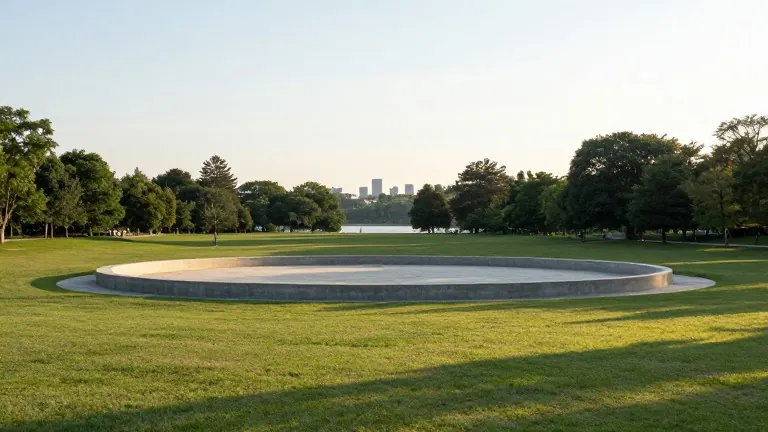
The arch is slated for Memorial Circle, a location in the District of Columbia that physically sits on the Virginia side of the Potomac River. It is located a short distance from Arlington National Cemetery and Ronald Reagan Washington National Airport, both of which are in Arlington. The county argues the structure would cause harm to residents through increased noise, air pollution, and traffic congestion. Arlington officials stated that the arch would clog thoroughfares needed for emergency transport services.
The county also expressed concern that the arch, which Trump has suggested could double as a military complex, would pose public safety risks. Arlington data showed that police, fire, and emergency units responded to approximately 200 incidents in the area surrounding the Circle in the last 60 days. The plaintiffs argued that the visitors the arch is intended to attract would increase demand for those same emergency services. The county also cited disruptions to historic sightlines between Arlington National Cemetery and the National Mall.
The plaintiffs accused the Trump administration of rushing through federally mandated environmental reviews. They claimed the National Environmental Protection Act required a hard look at alternatives before disruptive ground-disturbing activities began. The National Park Service defended its review process, which ended in approval earlier this month. The agency stated that building the arch somewhere else would defeat its purpose.
The Justice Department told NPR it will appeal the decision immediately. White House spokesperson Davis Ingle said the administration will continue making the case for the monument. Ingle added that the administration is confident it will be fully vindicated as the litigation proceeds. The government has argued the arch is covered by a 1925 law authorizing a pair of shorter columns at that same location, which were never built. Both judges have frowned upon that argument.
Brinkema told lawyers that focusing on that 1925 law hurts the government's credibility with the court. She called the project a rushed job and found the government's analysis of the structure's environmental and economic impact inadequate. That concern extended to the impact of construction cranes on airspace. The Federal Aviation Administration said the arch would not pose a hazard to aircraft if lit in a specific way, including with an eternal flame on top.