Kansas City Residents Weigh In on 10-Year Spending Plan
A new survey seeks public input on how to direct funds for housing, business, and infrastructure in the Central City District through 2032.
By Madison Darwish ·
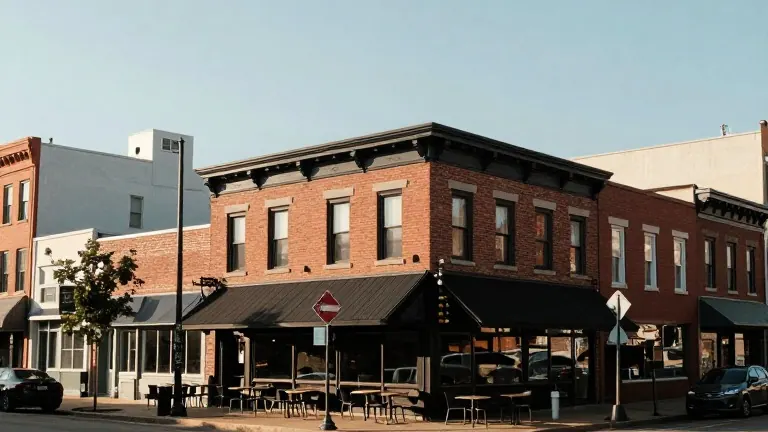
Voters in Kansas City approved a 10-year extension of a local sales tax program in August.
The measure, known as the Central City Economic Development or CCED tax, passed with 69.2% support. This decision renews a 1/8-cent sales tax that applies to a specific district bounded by Ninth Street, Gregory Boulevard, Indiana Avenue, and The Paseo.
The program was originally created through a community-led effort and first approved by voters in 2017. Since then, the district has seen more than $97 million approved across eight funding rounds. These funds supported 68 projects, which represented more than $1 billion in total development activity.
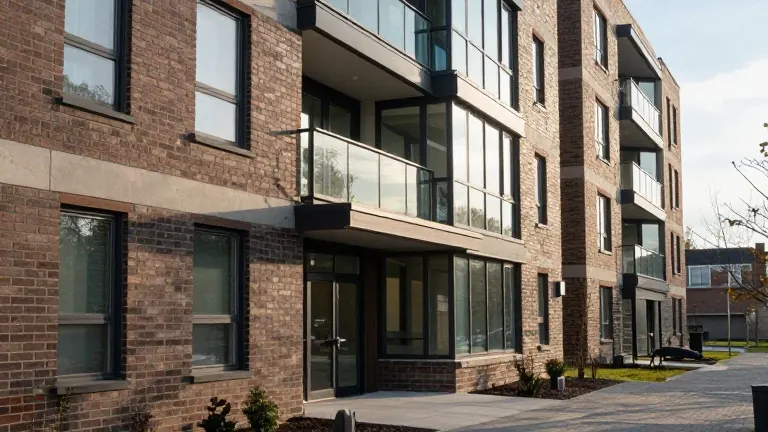
City council members have already approved more than $8 million for 10 specific projects. These initiatives represent a total investment of over $50 million. The projects target 210 housing units, home repairs, historic restoration, and commercial development.
Andrea Bough, president and CEO of the Economic Development Corporation of Kansas City, stated that the renewal creates both an opportunity and a responsibility to show results. She noted that voters chose to continue the program for another decade.
The organization has launched a 10-minute Community Vision Survey, which remains open through December 18. This survey seeks public input on the 2027-2032 strategic plan. The five-year plan will establish priorities to guide future investments, funding decisions, and economic development initiatives throughout the district.
Jeremy Davis, director of Central City Economic Development, said the strategic planning process aims to understand where the district stands today. He noted that the previous plan established five guiding priorities: supporting small and minority-owned businesses, strengthening sustainable neighborhoods, expanding employment opportunities, advancing shared prosperity, and building organizational capacity.
The new survey asks participants to share perspectives on neighborhood conditions, economic development challenges, and housing needs. It also asks about commercial redevelopment and the types of businesses and services residents want to see. Participants will identify investment priorities and describe what a thriving central city should look like by 2032.
Participation is encouraged for residents, business owners, property owners, and neighborhood organizations within the district. Individuals who work, attend school, or have other connections to the area are also welcome. Kansas City residents outside the district may participate as well. Survey responses will remain confidential and be presented in aggregate form.
Source: KCUR 89.3