Lea County Signs Off On Google's $130B Data Center
Commissioners rejected a proposed moratorium to approve a massive industrial bond for Project Rancho near Hobbs.
By Alina Marshall ·

Lea County commissioners approved a $130 billion industrial revenue bond for Project Rancho on Thursday, clearing the path for Google to build a massive data center west of Hobbs. The vote marked a decisive move for the project, which sits on nearly 1,900 acres and includes two 900,000-square-foot buildings.
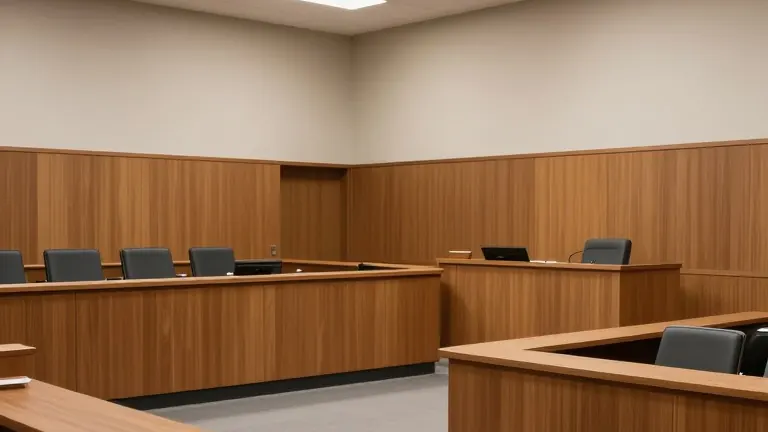
The board voted 4-1 to pass the measure during a public meeting in Lovington. This outcome followed the unanimous rejection of a proposed six-month moratorium on data center development. That rejection contrasted with actions taken by several other municipalities in New Mexico that have paused similar projects.
Clayburn Griffin, who opposed the bond, told the commissioners that the community is concerned about the environmental costs of the data center industry. He presented a petition bearing hundreds of local signatures in support of the moratorium. Griffin argued that a pause would allow the board to craft suitable regulations for future developments.
Commissioner Pat Sims expressed discomfort with the speed of the process. He described himself as "not a fan of moratoriums" but suggested postponing the vote for one month to allow for informed decision-making. Sims noted that feeling rushed often indicates a need to pause.
The industrial revenue bond allows the county to lease the property to the developer in exchange for direct payments in lieu of taxes. It also includes community investments and services under a benefits agreement. The structure does not involve county borrowing, which distinguishes it from general obligation bonds.
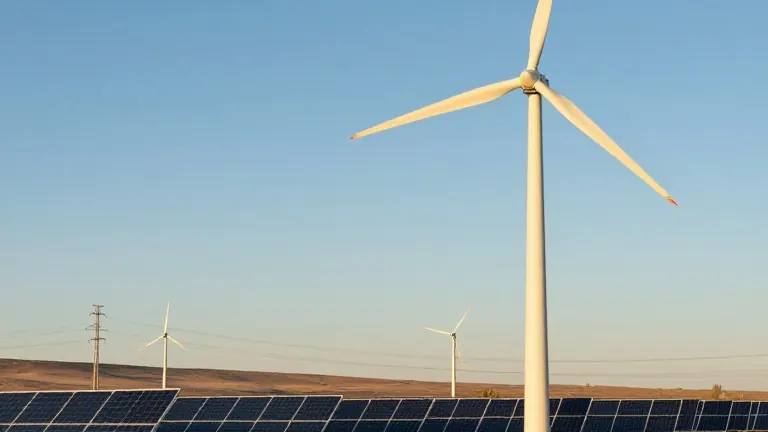
Google executive Chris Adams presented details on the project's infrastructure. The facility will use a closed-loop cooling system powered by a large-scale solar array. Adams stated that Google intends to use effluent or imported water for the initial cooling system fill-up, which requires 2.8 acre-feet or 912,384 gallons daily during construction. Once operational in the second half of 2029, the company estimates annual water use of up to 28 acre-feet per building.
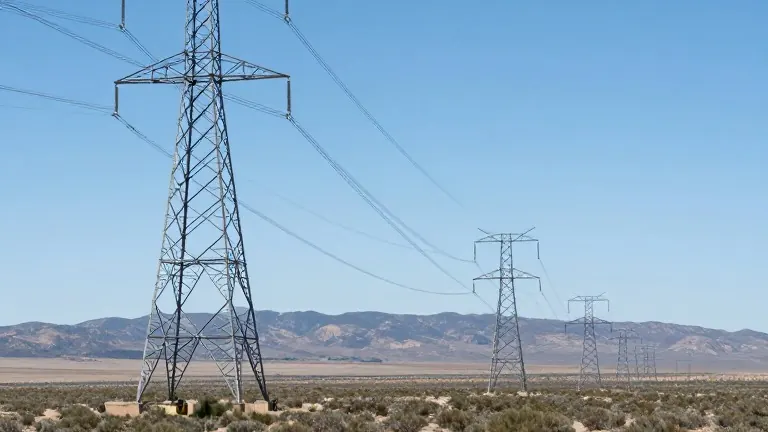
Questions remain regarding the total power requirements for the data center's operations. Adams did not provide a specific figure for the electricity needed to run the facility. The county previously passed a resolution in February requiring data center projects to generate their own power or use a public grid, prevent local rate increases, protect water supplies, and include decommissioning agreements.
Attorney Peter Franklin, representing the county's bond counsel, said it is standard for some terms to remain under negotiation when the bond is voted on. He explained that authority to finalize adjustments within the ordinance's scope is typically delegated to the county manager or commission chairman. Critics, including open government advocates, argue this practice allows public business to proceed outside of full public view.
Crystal Coombs, an advocate, told the commissioners that the community needs a chance to review the preliminary agreement and environmental studies. Griffin added in an interview that the board failed to hold independent town halls, preventing working residents from participating in the decision. He characterized the current situation as a "race to the bottom" among rural counties competing for developer investment.
Commissioner Dee Ann Kimbro called the agreement the best deal possible for residents, noting that environmental questions can be addressed during the permitting process. Google projects more than 1,000 construction jobs at peak and over 100 operational jobs. Sims cast the lone vote against the bond, stating he voted no because his vote did not change the outcome.
More Business · Watch Your Wallet · Report a business · Got a Story?