
New federal rules may cut 6 million from food aid
Agriculture Department proposal targets 2029, while Colorado food banks report 50% surge in daily clients.
By Madison Darwish ·
More than 6 million Americans could lose eligibility for the Supplemental Nutrition Assistance Program under a proposed federal rule. The U.S. Department of Agriculture announced the changes on November 13, 2026. The agency stated the goal is to narrow eligibility criteria and close program loopholes to reduce federal spending. The new standards are scheduled for full implementation in 2029.
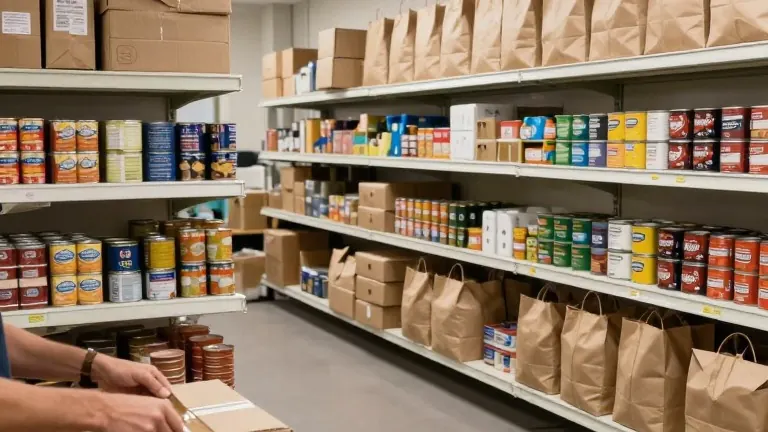
Local providers report that the current system is already under strain. Stephanie Gausch, CEO of the Weld Food Bank in Weld County, Colorado, said the organization is at its budgetary and logistical limit. Gausch reported that the number of people seeking emergency food assistance increased by 50 percent. That figure rose from 500 individuals to 1,000. The food bank now serves an average of 1,800 people every day.
Recipients describe the uncertainty of the proposed changes. Andrea Aguilera has relied on SNAP benefits for more than 10 years. She noted that recent government shutdowns and program adjustments have made financial stability harder to maintain. Aguilera said the changes make it harder for people who already struggle to afford basic necessities. She expressed concern for children and older adults who depend on the assistance.
Tonie Marceleno-Hernandez has used SNAP for about five years. She said the potential cuts initially caused her panic. Marceleno-Hernandez, who previously experienced homelessness, described government cutbacks as additional obstacles to maintaining financial security. She said she is not homeless now but still faces significant challenges on the road to stability.
Gausch warned that any reduction in SNAP funding would directly impact the services the food bank can provide. She explained that clients are currently receiving about 40 percent less food than they did five years ago. The organization is stretching its resources to meet the growing demand. This shortage affects the quality of support available to families in the region.
The demand continues into the holiday season. Gausch reported that the food bank has received about 6,500 requests for turkeys through its agency partners this year. Funds raised during the holiday period also support families throughout the rest of the year. The Weld Food Bank relies on these contributions to bridge the gap created by increased need and limited resources.