Omaha police link two men to four burglaries of vacant homes
Officers seized church relics during a search and said the suspects damaged drywall and ceilings to extract copper pipes from properties for sale.
By Emmanuel Faure ·
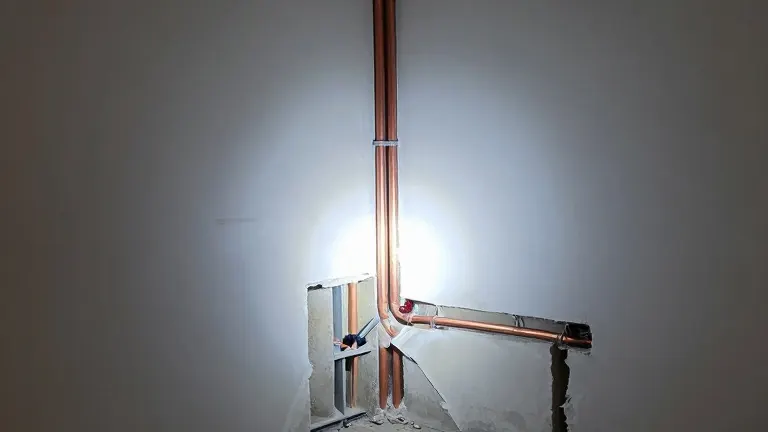
Omaha Police Department investigators have charged two men with four counts of burglary after tracking a series of break-ins at vacant homes in the city. The suspects reportedly targeted properties that were listed for sale but had no current residents, according to a statement released on Tuesday.
Sgt. Michael Pena described the physical toll of the thefts, noting that the damage often exceeded the value of the stolen copper. He explained that the intruders forced entry, then cut into pipes and broke through drywall, ceilings, and interior walls to reach hidden plumbing. Pena said the suspects typically hauled the metal to scrap yards to sell for cash.
The investigation connected the two men to the crimes through a specific vehicle and witness photographs. Officers from the crime analysis unit and crime intel unit reviewed these leads to link multiple incidents to the same pair. Pena stated that the common method of entry at homes for sale served as the initial hook for the investigation.
Police said the suspects may also be responsible for three separate church burglaries. During a search of one suspect's residence, officers recovered church relics that have been verified as belonging to St. Vincent of Lirins Church. The connection between the residential burglaries and the religious sites remains under review by detectives.
Pena emphasized that homeowners in these cases face repair costs for water heaters, walls, and ceilings, not just the loss of materials. This distinguishes these crimes from standard residential burglaries where valuables are taken with minimal structural damage. The department continues to determine if the two suspects are responsible for additional thefts in the region.
Both men are currently facing four charges of burglary each. Police have not yet released the names of the other potential victims in the ongoing inquiry. The case highlights the specific risk posed by unoccupied properties in active real estate transactions.