
Senate approves major energy permitting reform with divided Democratic support
The Bipartisan American Affordability and Jobs Act of 2026 passed the Senate 62-33, aiming to accelerate grid expansion and lower energy costs despite internal party disagreements.
By Emmanuel Faure ·
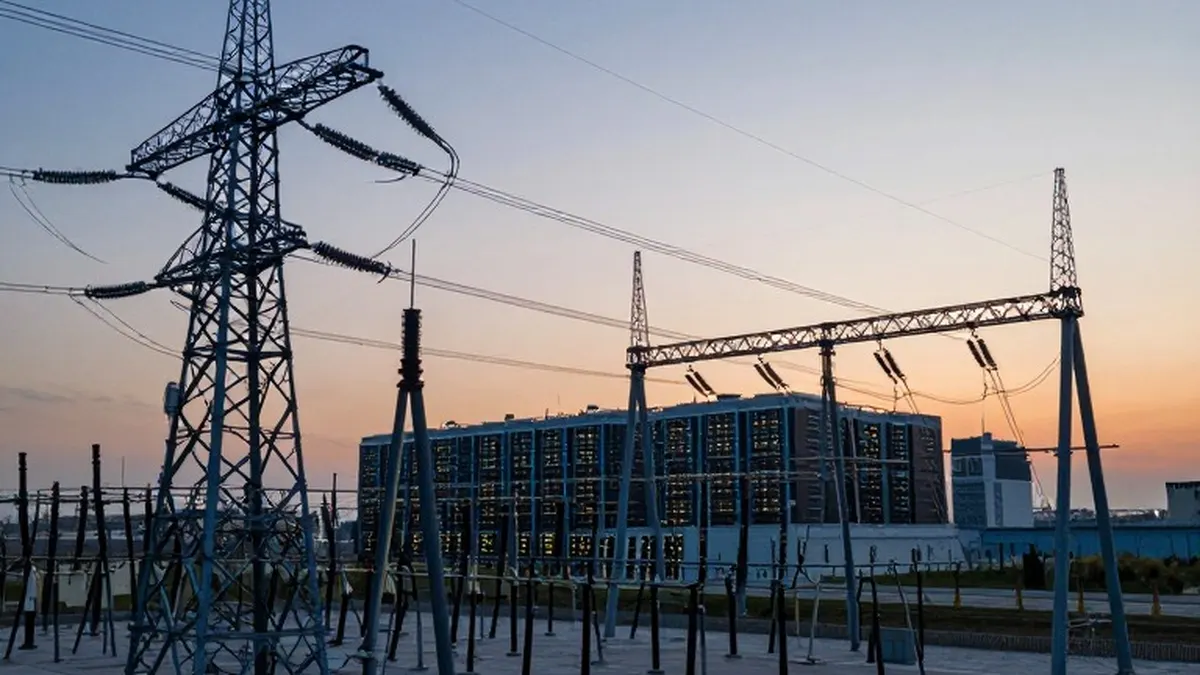
The United States Senate approved a significant piece of legislation on Thursday designed to streamline environmental permitting and overhaul electrical transmission rules. The bill, known as the Bipartisan American Affordability and Jobs Act of 2026, passed with a vote of 62 to 33. This outcome represents a critical move toward facilitating construction in the energy and technology sectors while attempting to reduce consumer energy prices.
The vote highlighted emerging tensions within the Democratic Party. Although Democrats recently secured majorities in both chambers of Congress following the midterm elections, their ranks were split on this measure. More Democrats voted against the bill than in favor of it. However, a coalition of more than a dozen Democrats, including Senate Minority Leader Chuck Schumer of New York, voted to support the legislation. They did so despite objections from various climate organizations and tribal groups.
Senator Ruben Gallego of Arizona, who supported the measure, described the legislation as potentially transformative for the next century. He stated that it would make a significant difference, particularly in reducing carbon emissions after the current presidential term concludes. The bill is projected to lower energy costs for consumers, a key theme that helped propel the Democratic Party to power during the recent campaigns.
Senator Martin Heinrich of New Mexico, a co-author of the bill and the incoming chair of the Senate Energy and Natural Resources Committee, emphasized the economic benefits for working families. He argued that the opportunity to make electricity more affordable was too pressing to delay for several more years. Heinrich brokered the final agreement with Senator Mike Lee of Utah, along with Senators Sheldon Whitehouse of Rhode Island and Shelley Moore Capito of West Virginia, who are the top members of their respective parties on the Environment and Public Works Committee.
The path to a final vote was contentious, with amendments added in the weeks prior to address concerns from Native American tribes regarding their participation in the permitting process. Senator Ron Wyden of Oregon, who pushed for an amendment to block data centers on public lands, expressed frustration with the pace of development. He remarked that he was not willing to allow data centers to negatively impact natural resources without proper safeguards.
Industry groups from both the clean energy and fossil fuel sectors reacted positively to the Senate's decision. The American Clean Power Association called the bill a modernization effort that would lower consumer prices. Similarly, the American Petroleum Institute described it as a major breakthrough that would cut delays and build critical infrastructure. Both renewables and fossil fuels are expected to benefit from the negotiated terms.
The technology sector, particularly those involved in artificial intelligence, stands to gain from the bill despite provisions requiring large data center operators to pay for grid upgrades. The increased demand for electricity from these power-hungry facilities is a central focus of the legislation. Renewables will also benefit from transmission improvements and measures preventing the cancellation of already-permitted wind and solar projects, which often face bottlenecks due to limited grid capacity.
Economic research firm Rhodium Group estimates that the bill could allow for an additional 17 to 249 gigawatts of clean energy to be built by 2040. Natural gas exports are projected to rise by 8% to 15% beyond increases already accounted for under current policy. Additionally, greenhouse gas emissions could be reduced by 5 to 148 million metric tons annually by the end of the decade. Rob Gramlich of Grid Strategies noted that significant grid expansion is necessary to achieve a high percentage of renewable energy in the power mix.
Opponents, including the Natural Resources Defense Council, argued that the bill gives the administration too much discretion to favor specific industries. They urged the House to reject the measure and attempt to pass more comprehensive legislation in the coming year. The bill now moves to the House, where Republican leadership is expected to push for its passage with the support of President Donald Trump.
Democratic leaders in the House are expected to remain divided. Representative Scott Peters of California, a supporter, argued that the bill fulfills campaign promises to lower bills and protect ratepayers. Conversely, Representative Jared Huffman of California, the ranking member on the House Natural Resources Committee, urged Democrats to vote no. He suggested that a better deal could be produced in the future rather than accepting the current draft as the only option.
More News · National news · Report a business · Got a Story?