US Shoppers Slowed Their Spending in October as High Prices Fed Caution
Retail sales rose just 0.2% in October, a sharp slowdown from September, as economic uncertainty and stubborn inflation made Americans more careful ahead of the holiday shopping season.
By Emmanuel Faure ·
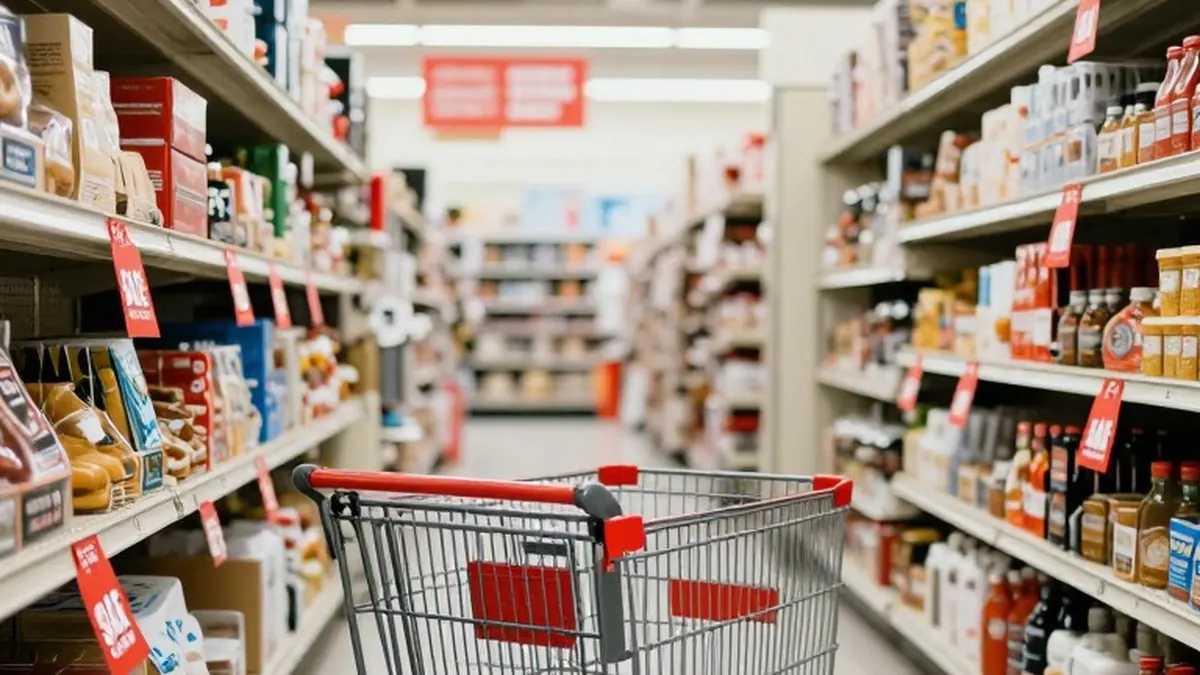
Americans reined in their spending growth in October, as persistent high prices and broader economic uncertainty made consumers more cautious with their money just ahead of the unofficial start of the holiday shopping season.
Retail sales rose 0.2% in October, a marked slowdown from a 0.8% gain in September, according to a Commerce Department report released Tuesday. Sales at gas stations climbed 1.5% last month after spiking 30.3% in September. Stripping out gas stations, retail sales inched up only 0.1%.
The overall figure was weighed down by a decline at motor vehicle and parts dealers, where sales dropped 1.6% in October, reversing a 1.3% increase the previous month.
"There are hints of weakening consumer spending as prices rise," wrote Carl B. Weinberg, chief economist at High Frequency Economics. "Let's call this report a mixed report card on the health of the consumer."
Results varied across sectors. Business at furniture and home furnishings stores fell 2.3%, while sales at clothing and accessories stores declined 0.7%. Consumer electronics and appliance stores saw no change, while online retailers posted a 1.2% gain. The report captures only a slice of consumer spending and leaves out activities such as travel and hotel stays, but restaurants, the lone services category included, registered a 0.2% increase.
The weaker sales figures arrived alongside fresh evidence that inflation continued to squeeze households last month. Labor Department data showed grocery prices rose 0.4%, a painful uptick after years of increases. Higher energy prices are rippling through other parts of the economy, with airfares, public transportation and shipping costs all climbing. Massive investment in artificial intelligence has added to inflation by driving up computer chip prices and, in turn, the cost of laptops, phones and other consumer electronics.
Retailers are now bracing for the Thanksgiving weekend rush that traditionally opens the holiday shopping period, and stores have heavily promoted discounts to attract customers who increasingly buy only when they believe prices have dropped. Chains including Kohl's, Target and Walmart have leaned on affordability in their marketing. Target said it is rolling out more than 8,000 new gifts for the winter holidays, more than half of them exclusive to the retailer, with most of the new items priced at $20 or less and thousands at $5 and under. Kohl's has expanded its selection of gift sets across merchandise categories.
Even with the rising cost of credit, Americans continue to lean on cards to fund their spending, and credit experts say defaults have remained stable. "More Americans are carrying credit cards than ever, and they're handling them well," said Charles Wise, head of global research and consulting at the credit reporting agency TransUnion.
Wise said outstanding credit card balances reached $1.17 trillion as of last month, up 5.1% from the same period a year earlier, based on data covering 178.5 million consumers with an active card. Serious delinquency rates held steady, he said, a sign that "consumers remain disciplined borrowers heading into the holidays."
More News · National news · Report a business · Got a Story?