Somalia Orders UAE Ambassador to Depart in Bid to Reverse Diplomatic Rupture
Somalia has expelled the UAE ambassador, accusing the Emirates of an open invasion, while Abu Dhabi labels the Somali government's actions as hostile and escalatory.
By Alina Marshall ·
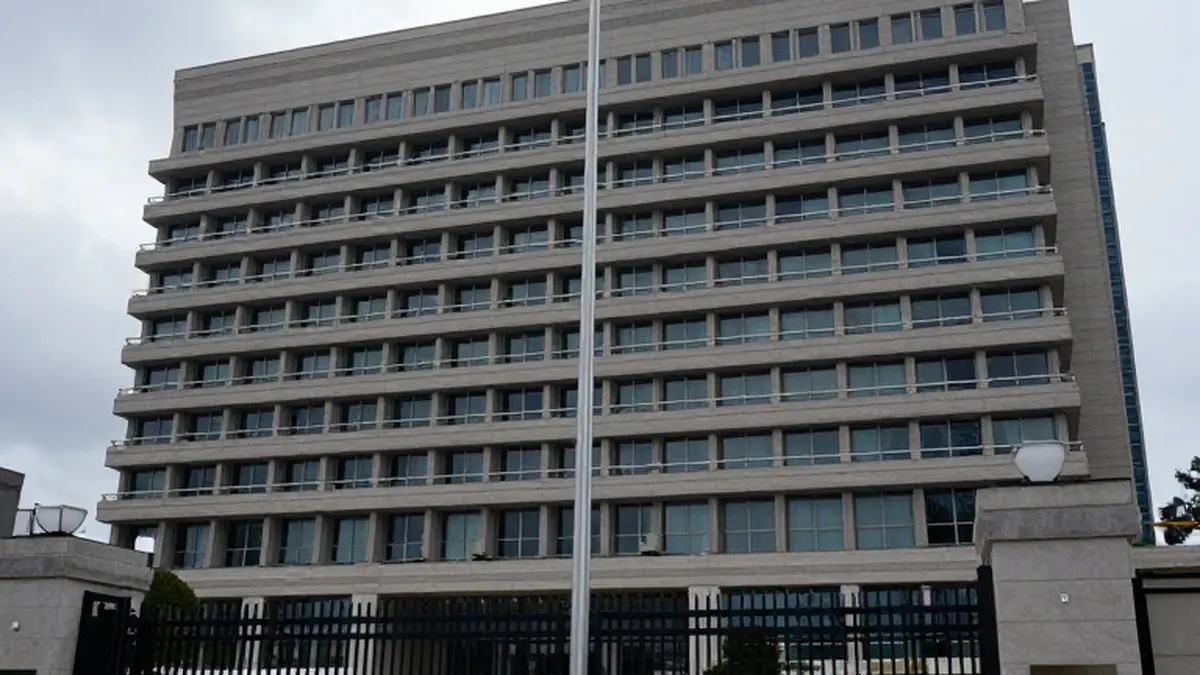
Somalia has ordered the United Arab Emirates ambassador to leave the country within 72 hours, marking a significant escalation in tensions between the two nations. In a reciprocal move, Mogadishu withdrew its own diplomatic envoy from Abu Dhabi. The Somali government accused the Emirates of committing unspecified violations of its sovereignty that it described as an open invasion.
Abdifatah Kasim Mohamud, the Information Minister, announced the decision during a broadcast on the state-run news agency. He warned that measures would be taken against anyone who cooperates with the UAE in what he termed the invasion against Somalia. The minister further urged all citizens to unite and defend their country's security, land, and unity against this perceived threat.
Despite the strong language used in the announcement, the minister did not provide specific details on the actions taken by the UAE that triggered this diplomatic response. However, context was provided by President Hassan Sheikh Mohamud, who spoke on Tuesday. He accused the UAE of offering economic and political support to certain regional Somali governments in an effort to oppose the federal authority in Mogadishu.
The United Arab Emirates, which has historically played a major role in funding and training Somalia's military, has long denied meddling in the country's internal affairs. The Emirates has also backed various commercial ventures, including port development projects, within Somali territory. This new clash represents a sharp turn in a relationship that has been strained since early this year.
Reacting to the latest developments, the UAE foreign ministry denounced the Somali government's approach as escalatory and hostile. A spokesperson for the ministry expressed regret over what Abu Dhabi described as an attempt by Mogadishu to drag the UAE into its internal power struggles. The ministry stated that such actions could potentially harm the interests of both nations.
The UAE also noted that it had already closed its embassy in Mogadishu and withdrawn its diplomatic staff in January 2026. This initial retreat was a response to hostile actions by the Somali government, which included the cancellation of several bilateral agreements. Despite these tensions, the UAE reaffirmed its commitment to maintaining and strengthening ties with the Somali people, distinguishing the government from the populace.
The current dispute builds on events from January of this year, when Somalia declared that it had ended all agreements with the UAE. These terminated deals included significant port contracts as well as defense and security cooperation frameworks. At the time, Mogadishu accused the Emirates of undermining its national sovereignty, a claim that was dismissed by three self-governing Somali regions that maintain close ties with the UAE.
The UAE has used its considerable wealth to expand its influence across the Horn of Africa, utilizing a combination of economic, military, and diplomatic power. For decades, Somalia's federal government has held limited authority over the entire country and has struggled to defeat Islamist militants, despite years of international support including African peacekeepers and US air strikes.
From 2014 to 2018, the UAE trained hundreds of Somali troops. According to senior Somali sources, the Emirates continues to cover the salaries and provide logistics for approximately 3,400 Somali military police and special forces troops stationed in and around the capital. This sustained military presence underscores the depth of the previous partnership.
Additionally, the UAE has forged direct bonds with regional governments, committing hundreds of millions of dollars to ports and military infrastructure along the coast. These investments are strategically located along global shipping routes, highlighting the economic stakes involved in the ongoing diplomatic standoff between the two countries.