Teen Spends Over a Year Boarding in St. Louis Hospital While Searching for Stable Housing
A Missouri teenager remained in a children's hospital for more than 475 days, highlighting the growing crisis of hospital boarding for children who lack safe discharge options.
By Emmanuel Faure ·
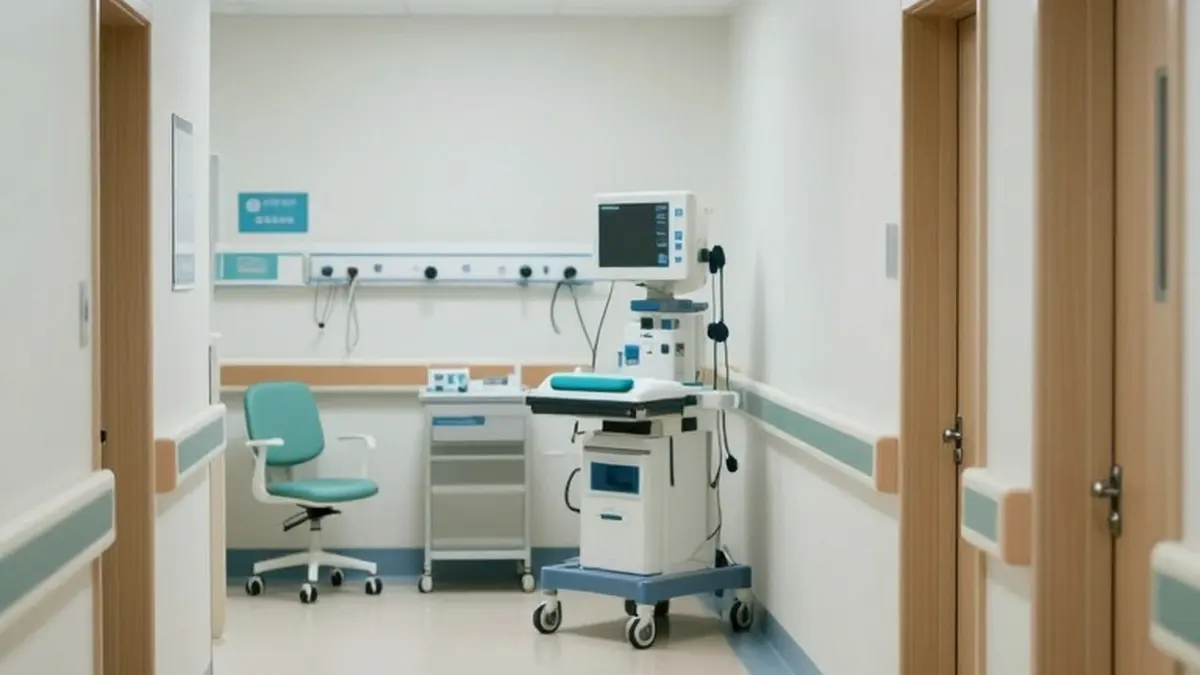
Jaloni, an 18-year-old from St. Louis, recently reflected on his time spent in room 3005 at SSM Health Cardinal Glennon Children's Hospital. What began as a treatment center for gunshot wounds and a spinal cord injury eventually became his primary residence for more than 475 days over a three-year period. According to his medical records, a significant portion of this stay was not driven by acute medical needs but by the lack of a safe and suitable place for him to go.
The situation, known as hospital boarding or social stays, has become a widespread and costly issue across the United States. Children with disabilities, chronic conditions, or mental health needs often remain in hospitals because suitable foster homes or family care options are unavailable. In 2017, a study from Minnesota estimated that boarding a child with complex medical needs cost approximately 3,932 dollars per day. While the exact cost of Jaloni's extended stay was not disclosed, state records indicate that Missouri spent more than 64.7 million dollars boarding children in state custody in hospitals over the past five years.
Jaloni’s journey to the hospital began in June 2023 after he was shot in the arm and chest. Following an initial discharge, he returned home to live with his mother and grandmother. However, the family struggled to meet his care requirements, which included frequent repositioning to prevent bedsores and managing his wheelchair. His grandmother, who was also a double amputee, passed away in 2024, adding to the family's challenges. After a second hospitalization for infection and bedsores, Jaloni became a ward of the state of Illinois, where he lived across the river. He resisted being sent to a facility in Chicago and remained in the hospital while his aunt, Deborah, arranged for a new living situation.
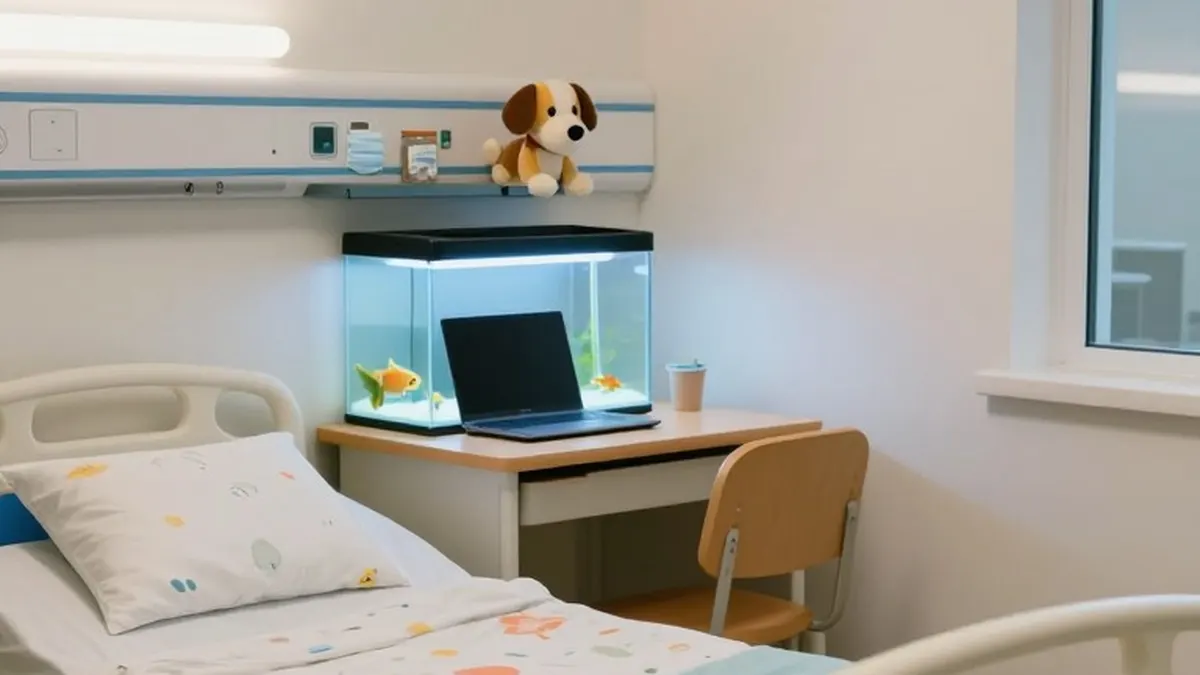
Deborah moved into a first-floor apartment with a ramp to accommodate Jaloni’s wheelchair. He waited in the hospital until she was ready to receive him. During his long stay, Jaloni rotated through different rooms on the third floor every 30 days to allow for deep cleaning. He formed close bonds with nurses, a cook, and a custodian, and even attended a hospital prom in March. He described his personalized room, complete with video games, a glowing fish tank, and personal grooming items, as his kingdom.
Despite the comfort he found in the hospital, Jaloni noted the toll of isolation, stating that he did not have many friends and often felt the weight of the seasons changing without him. He observed other patients, including a 15-year-old boy who was shot nearby, reinforcing his awareness of the violence in his community. However, he felt safer inside the hospital than on the streets.
In May, Jaloni was finally discharged to his aunt’s larger two-bedroom apartment, which features a homemade wheelchair ramp. He now manages his own medications and has adjusted to life outside the medical setting. His experience underscores the urgent need for better housing and care solutions for children who are medically stable but socially vulnerable.
The hospital system, SSM Health, stated that it is committed to serving those in need but often bears the burden of uncompensated costs when patients remain due to a lack of discharge options. State officials and hospital associations acknowledge that current data may undercount the scale of the problem. Lawmakers in Missouri have introduced multiple bills to address hospital boarding, but the practice continues to affect hundreds of youths annually.
Jaloni’s story is part of a broader national trend. In the fiscal year ending in June 2025, Illinois logged 304 young people staying in psychiatric hospitals beyond medical necessity, while Missouri had 648 youths in state custody boarding in hospitals. For Jaloni, the hospital was not just a place of healing, but a home where he survived and waited for a chance to start over.
More News · National news · Report a business · Got a Story?