
Treasury Department Targets Iranian Shadow Banking Network in New Sanctions
The U.S. Treasury has imposed sweeping sanctions on over two dozen entities to disrupt Iran's illicit financial networks and cut off its primary revenue streams.
By Alina Marshall ·
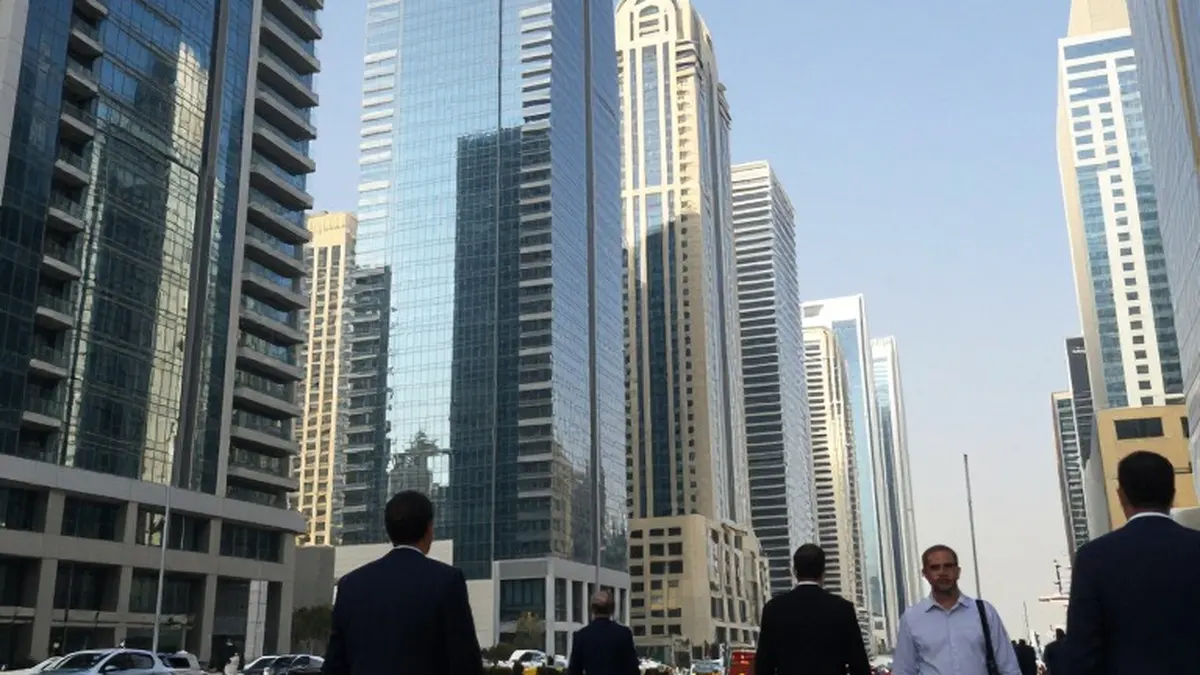
The U.S. Treasury Department announced on Monday that it has imposed extensive new sanctions against more than two dozen Iranian exchange houses, overseas front companies, and financial operatives. The administration accuses these entities of moving billions of dollars through a global shadow banking network designed to keep Iran connected to international trade despite existing restrictions.
The action was carried out by the Treasury’s Office of Foreign Assets Control, which targeted financial infrastructure spanning Iran, Dubai, Hong Kong, and Turkey. Officials state that this network enables Tehran to bypass U.S. regulations, sell oil and petrochemicals, and settle transactions using Russian rubles and Chinese yuan rather than the U.S. dollar.
Treasury Secretary Scott Bessent described the situation in a statement prior to the announcement. He noted that Iran's economy is struggling and its leaders are reacting with panic. Bessent characterized the shadow banking system as the last financial lifeline for what he called a bankrupt regime, promising that the Treasury would continue dismantling these illicit networks until the problem was fully addressed.
These designations represent the latest escalation under Operation Economic Outcast, a maximum financial pressure campaign launched by Bessent on August 24. The goal of the operation is to cut off the remaining revenue streams of the Iranian regime while increasing the risks for foreign banks and brokers that continue to do business with Tehran.
According to the Treasury, Iran's shadow banking apparatus is overseen by the Central Bank of Iran. It relies on domestic currency exchange houses paired with bank-affiliated entities known as rahbar companies. These entities manage sanctions-evasion networks through thousands of foreign shell firms. The Treasury noted that as oil revenues decline and sanctions tighten, these facilitators have increasingly failed to repatriate export earnings while enriching themselves with state funds.
The Financial Crimes Enforcement Network, or FinCEN, revealed that it identified approximately $14.7 billion in financial activity between January 2025 and August 2026. This activity was potentially linked to Iranian shadow banking operations. A high-profile target in the new package is the Iran Center for Exchange of Currency and Gold, which matches exporters holding foreign currency with importers seeking to buy goods abroad. The Central Bank of Iran also uses bonds issued by this center to facilitate cross-border trade in rubles and yuan without relying on the dollar.
The OFAC package also sanctions the Rahbar Bazargani Nesim Baharan Qeshm Company, which is the rahbar affiliate for Iran’s Bank Sarmayeh. Three senior officials of this company, including Sayyed Mohammad Jalali, Valiollah Hemmati, and Ali Kalhor, were blacklisted for facilitating transactions for major Iranian oil companies. Additionally, two Iran-based currency dealers, Mina Fashki and Partners Exchange Company and Mellat Exchange Company, were sanctioned along with five of their owners and officials.
To disrupt Tehran's overseas payment channels, the Treasury targeted ten exchange house front companies located in the United Arab Emirates, Turkey, and Hong Kong. These firms are accused of moving billions of dollars for Iranian clients. Specific targets include Dubai-based Recaz Star General Trading LLC, which handled hundreds of payments totaling over $170 million, and OGA Global General Trading LLC, which oversaw millions in payments for the state-owned National Iranian Tanker Company.
Other newly sanctioned entities include Hong Kong-based Grandez Trading Limited and a Turkey-based trading firm. Several Dubai-based firms were also targeted, including Gespl International General Trading LLC, which was alleged to have been used by the National Iranian Oil Company to launder proceeds, and Robust Trading LLC, which processed payments for the National Iranian Copper Industries Company.
The Treasury also invoked counterterrorism authorities to sanction Dubai-based H N B Trading Co LLC. The agency alleged that the company received hundreds of thousands of dollars from a front company tied to Iran’s Armed Forces General Staff to help pay for a vessel charter alongside the sanctioned shipping firm Dragon Road Ltd. Under the new order, U.S.-based assets belonging to designated individuals and entities, as well as businesses they own 50% or more of, will be frozen. Americans are barred from transacting with these parties, and foreign financial institutions risk losing access to U.S. correspondent accounts if they knowingly facilitate significant transactions for these networks. Whistleblowers who report violations resulting in penalties exceeding one million dollars may qualify for federal awards.
More News · National news · Report a business · Got a Story?