Austin resident adds simple pond to support local aquatic wildlife
A south Austin homeowner detailed a low-cost method for creating backyard habitats using rainwater and native plants.
By Emmanuel Faure ·
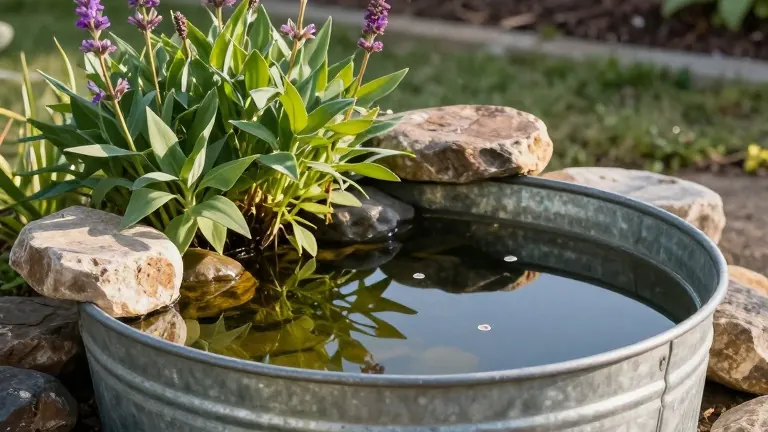
A resident in south Austin reported that aquatic life appeared in their yard within days of installing a small water feature. The author, Claire Sorenson, shared these findings in the Fall 2026 issue of Texas Native Plants magazine. She noted that despite living in a dry climate, the addition of a pond immediately attracted species that had previously gone unnoticed in the area. This development aligns with a growing trend among homeowners to rewild their landscapes by providing habitat for declining wildlife populations.
Sorenson began by addressing the misconception that ponds are difficult to maintain or create. She argued that the process can be as simple as the owner desires. Her approach relies on basic components rather than complex infrastructure. She recommended using containers such as metal livestock troughs, plastic liners, or large tubs. The water source should be free of chlorine, which is toxic to aquatic life. Chlorine can be removed by letting tap water sit for 24 hours or by using collected rainwater. She emphasized that native plants are most useful for local wildlife and listed several species she used, including Whitetop Sedge, Cardinal Flower, and Pickerelweed.
The timeline of wildlife arrival began with birds. House Finches, Goldfinches, and Robins visited the pond first to drink and bathe. Insects such as bees and wasps also stopped by for water. The amphibians arrived quickly after the birds. Sorenson first spotted two Gulf Coast Toads on her patio. Shortly after, she heard their mating calls at night and observed strings of eggs in the smaller pond. Within 24 hours of the eggs being laid, tadpoles were visible. She also saw what appeared to be dragonfly larvae and an adult dragonfly hovering near the water. This sequence of events occurred just days to weeks after moving the ponds to a new location.
Sorenson provided specific guidance for those wanting to support amphibians and dragonfly larvae. She advised using mosquito dunks instead of mosquito fish to control pests. Mosquito fish eat amphibian eggs and tadpoles, while dunks only affect mosquito larvae and cost very little. She recommended adding rocks inside and outside the pond to create a ramp for amphibians to enter and exit. Toads lay eggs in long strings, which hatch in 24 to 48 hours. The young toads develop legs and leave the pond in about 20 to 30 days. She noted that tadpoles do not need supplemental feeding as they consume algae and small bugs in the water.
The author detailed a simple rainwater collection system to fill the pond. Her setup uses a 55-gallon barrel connected to gutter downspouts via 3-inch PVC pipes. The barrel is placed on a raised platform to allow gravity to move water into the pond. She uses filter baskets at the top of the downspout and the tank to prevent debris from clogging the lines. A small pump from a hardware store can also be used to transfer water. She noted that the system has worked for years without major issues. She added that aerators and water filters are not necessary because the plants oxygenate and clean the water.
Sorenson addressed common concerns about algae and maintenance. She explained that hair algae may appear in new ponds but can be scooped out periodically. As the native plants grow, they shade out the algae naturally. She recommended patience as the ecosystem matures. For purchasing water plants, she suggested local suppliers such as Hill Country Water Gardens near Austin and Green Star Wetland Plant Farm near Houston. She concluded by encouraging readers to include water features in their landscapes to support aquatic species alongside birds and mammals.
The City of Round Rock notes that its water customers are eligible for a rebate on rainwater collection systems. This financial incentive may make the setup more accessible for residents in that area. Sorenson stated that her goal was to inspire others to add water to their yards. She emphasized that aquatic species need support just as much as other wildlife. She noted that these animals are already present in the area but often go unseen without a dedicated water source.
Source: City of Round Rock