British family's reparations fund cited by Caribbean leaders
The Trevelyan family's £100,000 pledge to Grenada is being used as a model for how governments might handle apologies and financial support at this week's Commonwealth summit.
By Madison Darwish ·

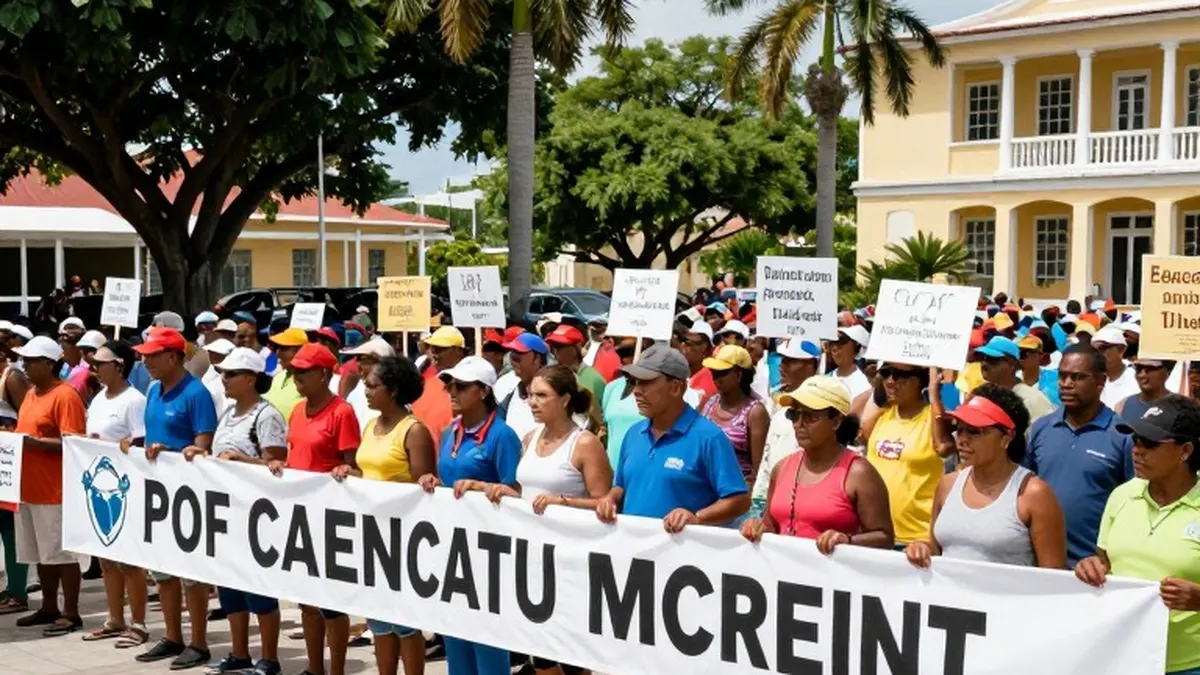
More than 50 students in Grenada have received bursaries and scholarships from a fund established by a British family. The Trevelyan family pledged 100,000 pounds, approximately $134,000, to support education in the Caribbean island nation where their ancestors owned plantations.
Laura Trevelyan, a former BBC correspondent, traveled to Grenada in 2023 to publicly apologize for her family’s role in colonial slavery. Her actions have become a reference point for Caribbean reparations advocates as they prepare for a summit of Commonwealth leaders in Antigua and Barbuda this week.
Nicole Philip, vice-chair of Grenada’s National Reparations Committee, argues that the family’s approach demonstrates how apology and practical support can function together. "If a family can come forward, apologise, and make reparations payments, why not the British government?" she asked. "Why not the royal family?"
Trevelyan told Reuters that she hopes the British government and the royal family will move beyond acknowledging past horrors to address current legacies. She specifically pointed to the need for climate-resilient infrastructure in the region. "Isn’t this something Britain’s government could help with as a way of repaying the debt from the period of slavery?" she said.
King Charles is expected to deliver a speech on Tuesday during the summit, where he has previously expressed sorrow regarding slavery. British Prime Minister Andy Burnham will also attend. In a column published in the Guardian on Saturday, Burnham stated he is open to a formal apology but maintained that modern British citizens should not be held liable for historical wrongs committed under different laws.
Burnham proposed a new initiative to help vulnerable countries repay debt over longer periods with better rates. Campaigners at the summit suggest that reparations should include assistance in education, healthcare, and development finance, not just monetary payments. They trace current inequalities in the region directly to the history of slavery and colonialism.
Historical records indicate that between the 15th and 19th centuries, European traders sold millions of Africans into slavery. According to the Trans-Atlantic Slave Trade Database, Britain transported an estimated 3.2 million people across the Atlantic during this period.
Source: KELO