Creighton professor compares election betting to sports wagering
Richard Witmer notes that prediction markets ask different questions than traditional polls, while citing a recent Los Angeles primary where traders missed the result.
By Alina Marshall ·
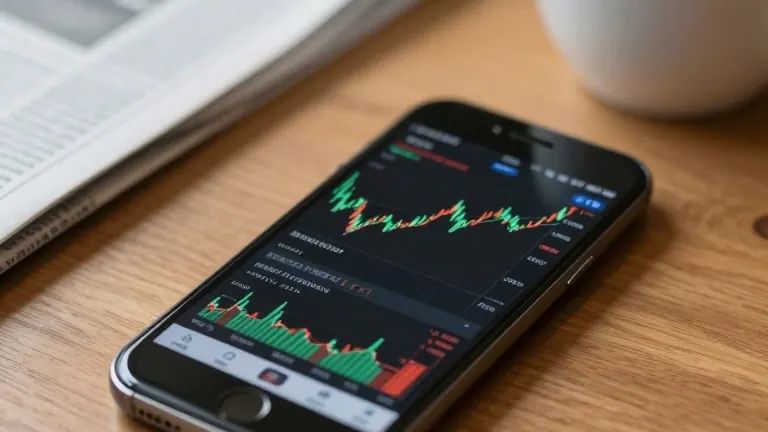
Voters in the 2026 midterm election cycle now face a new layer of political activity: prediction markets. These platforms allow users to buy and sell contracts tied to the outcome of future events, according to the Commodity Futures Trading Commission. The practice has drawn attention as the election approaches, with questions rising about whether these bets influence how people vote.
Richard Witmer, a professor of government and political science at Creighton University in Omaha, views the trend through the lens of entertainment. He compares political trading to sports betting. “It’s kind of like sports betting. We’ve talked a little bit about that. They’re just betting on a team, is it going to be this team, that team, this candidate, that candidate. So it’s just having a little skin in the game, having a little fun with the markets,” Witmer said.
Witmer distinguishes the mechanism of these markets from traditional opinion polling. He notes that polls typically ask if an election were held today, who would win. Prediction markets ask a binary question: do you think this person will win, yes or no. “What prediction markets do is say, do you think this person is going to win, yes or no, which is a different question,” he said.
The accuracy of these platforms has faced scrutiny following the Los Angeles mayoral primary. Millions of dollars were wagered on Spencer Pratt, a former reality television star who had never held elected office. The markets assigned Pratt a 78% probability of advancing to the November runoff. Pratt finished third in the primary, a result that contradicted the market's prediction.
Witmer suggests that most voters rely on traditional factors rather than market odds. He argues that party affiliation, specific issues, and economic conditions such as gas prices carry more weight. “Most people will vote based on political party. They vote based on issues. They vote based on pocketbook, right? If it’s $4-a-gallon gas, that probably has much more of an influence than whether Kalshi or Polymarket or some of these others are all of a sudden predicting an outcome versus what they maybe had thought,” Witmer said.
The potential impact of prediction markets on voter behavior remains an open question for political scientists. Witmer plans to examine the issue after the election concludes. “That’s sort of an empirical question that I will look forward to seeing after the election, because we can ask people that question: Did the markets affect your thinking about how you were going to vote?” he said.