Dating App Bets Big On Traditional Courtship
A revamped dating platform targets young adults who prioritize marriage and classic social norms.
By Ama Boateng ·
Seventy-two percent of Generation Z respondents in a new industry survey said they intend to get married, a statistic that has driven Match Group to completely overhaul one of its niche dating applications. The company relaunched Upward last month, shifting its focus from a platform exclusively for Christian daters to a broader service aimed at young singles who value traditional family structures, faith, and community, regardless of whether religion is their primary identifier.
The strategic pivot comes from data collected in Match Group's 2026 Singles in America study, which found that a quarter of adults aged 18 to 34 identify with a mix of traditional values. Lauren DeFord, the director of brand marketing at Match, explained that the change is intended to welcome individuals who share these goals but may not lead with a faith-first mindset. She described the move as a brand shift rather than a fundamental change in mission, noting that Christian singles remain central to the app's identity.
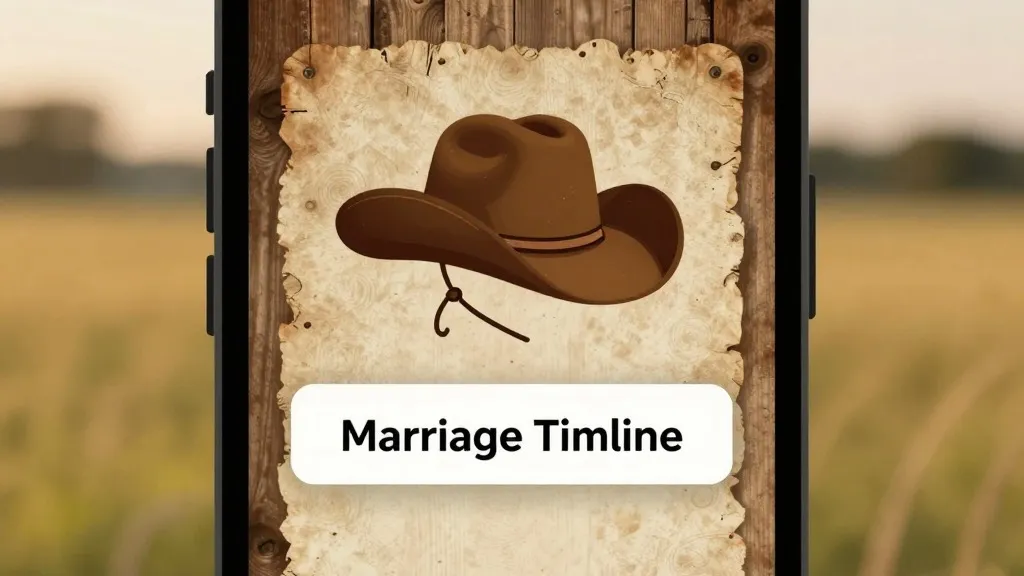
Functionally, the redesigned app operates on a tiered subscription model similar to Tinder, utilizing left and right swipes. However, it introduces specific features designed to encourage traditional dating dynamics. Users can add a Faith Statement to their profiles, and a new Chivalry Mode prompts men to initiate conversations first. Additionally, a Marriage Timeline feature allows users to specify when they hope to wed, signaling their long-term intentions to potential matches.
The promotional campaign leans heavily into retro Americana aesthetics, branding the platform as the home of modern courtship. One video features a newlywed man in a cowboy hat performing classic romantic gestures, while the Wanted: For Life campaign utilizes Western-style imagery. Despite this marketing push, experts question the underlying premise. Daniel Cox, director of the Survey Center on American Life, argues that young people are entering adulthood with unclear relational priorities in a hyperindividualistic culture. He suggests that the traditional trend is a reaction to a lack of cultural norms, providing a script for daters who are unsure how to proceed.
Other data complicates the narrative of a marriage-focused generation. A 2023 Pew Research study indicated that only 23 percent of adults consider marriage extremely important to a fulfilling life, compared to 61 percent who value close friendships. Furthermore, the percentage of high school seniors expecting to marry dropped from 80 percent in 1993 to 67 percent in 2023. Cox notes that Match's survey may be skewed by age, as older participants have likely already married or divorced. The company maintains that its survey of 5,000 unmarried U.S. singles is demographically representative of the Census.
Early user reactions have been mixed. Adreanna Pulliam, an opera singer in Indiana, found the app aligned with her goal of marriage but encountered profiles that felt overly political or odd, such as one featuring a photo taken at a funeral. She questioned why the app allows married users and options like it's complicated. Tauti, a student in California, quit within 48 hours, stating the experience turned her off from Christian dating, while Heidi Marais, a teacher and single mother, asked why agnostics are permitted on the platform.
Upward has not disclosed its active user numbers but has faced complaints about functionality and support since its initial launch in 2020. One App Store reviewer described the platform as janky. Pulliam believes the app could succeed within specific communities, such as Christian private universities, though she added that it may work best for users with a somewhat closed mindset regarding dating expectations.
Source: Wired