Military Dogs to Be Gene-Edited for Tougher Health and Better Performance
A new startup is raising significant capital to clone and modify working dogs for the US military, aiming to reduce common breed-related health issues while equipping them with advanced protective gear.
By Ishani Kapalli ·
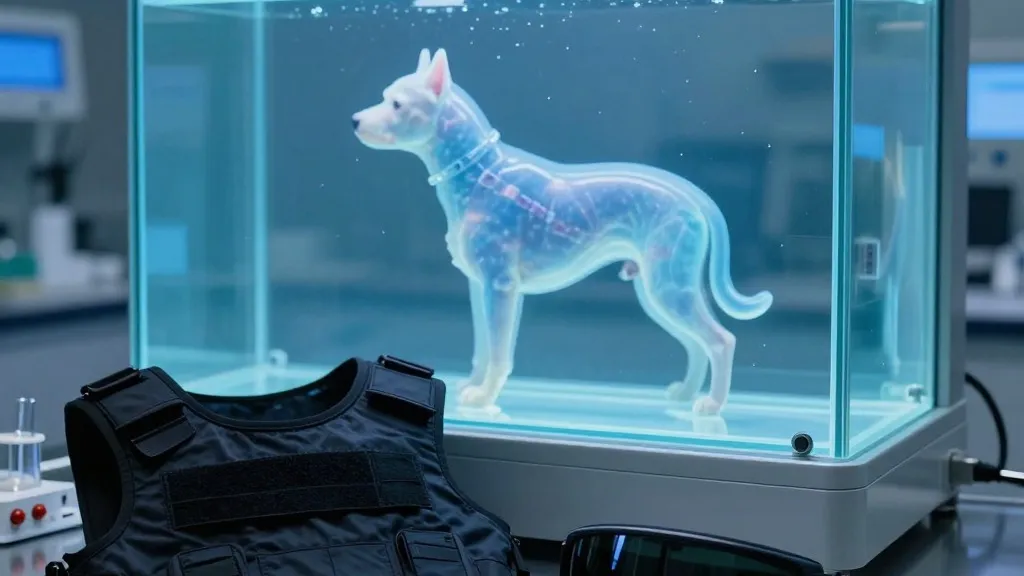
The first generation of genetically engineered working dogs is expected to arrive in early 2027. This timeline was announced by Warhound, a new startup that has just closed a $200 million funding round. The company plans to use these animals for traditional military roles, such as bomb detection and search and rescue missions. The goal is to create a more resilient workforce of canines for the US military.
Warhound is a joint venture involving high-profile founders from the tech and science sectors. Ben Lamm, who leads Colossal Biosciences, and Palmer Luckey, the founder of Anduril, are behind the initiative. Lamm confirmed that the team has already begun editing genes from cell samples collected from top-performing dogs. These donor animals were selected from military, police, and first responder units across the United States. The group is primarily composed of Belgian Malinois, with some labradors and shepherds included in the pool.
The initial scientific focus is on improving the health of the cloned animals. Scientists at Colossal will modify the genes to lower the risk of common breed-related conditions, such as hip dysplasia and specific types of cancer. Lamm has indicated that further enhancements could be explored in the future. Potential upgrades include increasing speed, improving agility, and sharpening the dogs' sense of smell. This approach moves beyond simple cloning by actively altering the genetic makeup for better performance.
The role of Anduril in this partnership is distinct from the biological work. The defense company will not be creating cyborg dogs at this stage. Instead, Anduril is focused on designing the equipment and software that will protect the animals during their duties. This includes developing advanced gear like goggles, vests, and body armor. The software will run the tools intended to keep the dogs safe while they work in the field.
The ownership structure of Warhound is specific to the partnership dynamics. While Palmer Luckey is a partner in the business, neither he nor Anduril holds an equity stake in the startup. Colossal Biosciences does hold equity, and Lamm serves on the company board. David Spirk, who previously worked at Palantir, has been appointed as the CEO to lead the organization. This setup separates the hardware provider from the biological development team in the company's financial structure.
Both founders bring significant track records to the project. Luckey is known for founding Oculus VR and designing the Rift headset. His defense firm, Anduril, has recently won a US Army contract to build a next-generation battlefield intelligence system alongside Palantir. It also partnered with OpenAI in 2024 for artificial intelligence development for the Pentagon. Lamm's Colossal Biosciences is recognized for de-extinction efforts, including a project claiming to have revived the dire wolf and another aiming to restore the woolly mammoth.
The combination of advanced genetics and high-tech equipment represents a new phase in military canine support. By addressing health risks and providing protective technology, Warhound aims to extend the service life and effectiveness of working dogs. The early 2027 birth of the first batch marks the beginning of this new program. The dogs will undergo standard training for their assigned roles, but they will possess a biological and technological edge over their predecessors.
Source: Engadget