Democrats claim full control of Congress after sweeping 2026 midterm losses
The party of the opposition has secured majorities in both chambers, setting the stage for immediate legislative battles.
By Alina Marshall ·
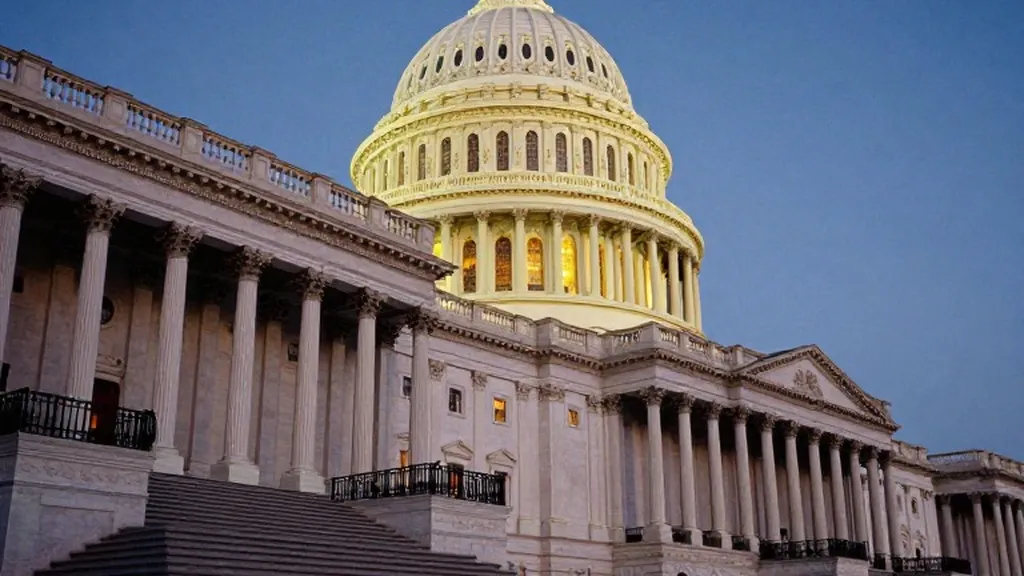
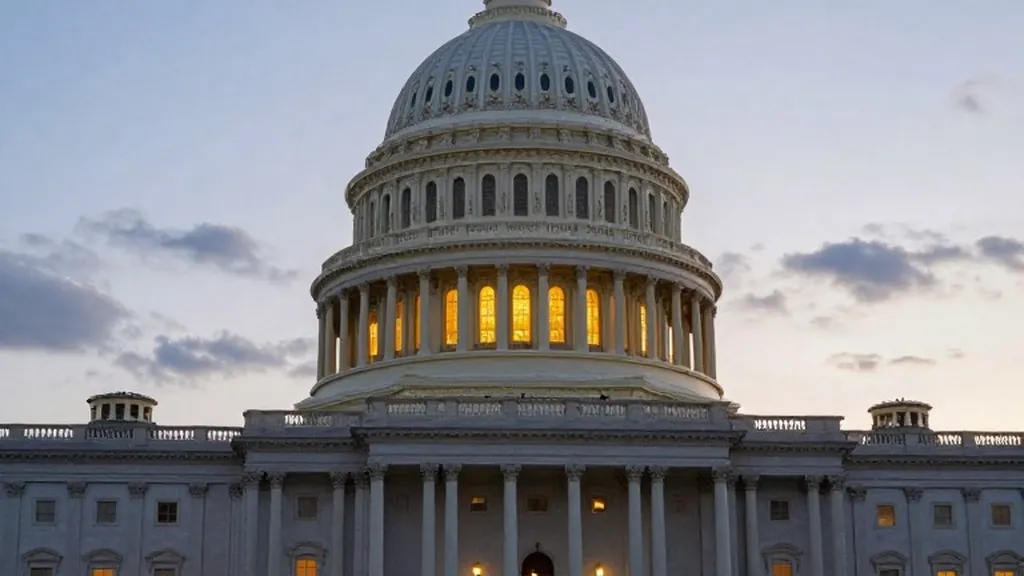
Washington, D.C. witnessed a decisive shift in power on Tuesday, November 3, 2026, as midterm election results confirmed that Democrats have won majorities in both the U.S. House of Representatives and the U.S. Senate. According to verified data from Ballotpedia, Democrats picked up at least 43 House seats and seven Senate seats, all of which were previously held by Republicans. This significant swing in control marks a major turning point for the new Congress, which is set to convene in January with the party of the opposition holding the keys to the legislative agenda.
The scale of the Republican defeat has drawn comparisons to historic wave elections. The net loss of at least seven U.S. Senate seats places this year’s election in the top 20% of election years in terms of seat swings against a president’s party. While the U.S. House has not yet reached the specific threshold defined as a wave election, the loss of 42 seats represents a substantial erosion of the Republican majority. Analysts note that these results reflect a clear voter mandate for oversight and a check on the administration, particularly in areas where the executive branch has pushed forward aggressive policy initiatives.
In the House of Representatives, Democrats are projected to hold at least a 250-157 majority. This supermajority status in the chamber will allow the party to overcome procedural hurdles that have previously stalled legislation. The new majority will immediately look to assert its oversight powers, targeting areas of public concern such as the dismantling of the Department of Education and the management of federal student loans. Rep. Bobby Scott of Virginia, the top Democrat on the House Committee on Education and the Workforce, indicated that he plans to leave no rock unturned in his investigation of these issues.
Senate Democrats, now holding a 54-44 majority, are positioning themselves to use their budgetary authority to rein in executive branch actions. Sen. Chris Van Hollen of Maryland stated that the committee is interested in using the power of the purse to establish guard rails and prevent abusive practices. This strategy involves adding conditions to spending bills, a method that does not require a presidential signature and thus bypasses the veto power that President Trump has pledged to use against Democratic legislation. The new Senate majority will also have the final say on key nominations and treaties, further balancing the power dynamics in Washington.
The election results have immediate implications for the administration’s education agenda. President Donald Trump has threatened to veto Democratic bills he sees as harmful, but the new Congress is preparing to use investigative powers and funding conditions as alternative tools. Democrats on the Senate Appropriations Committee are exploring ways to condition federal funding to rein in the administration’s battle to reshape higher education. This includes addressing the White House’s efforts to cut funding at prestigious universities like Harvard, a move that has drawn criticism from both parties.
Beyond the federal level, Democrats have won a plurality of state government trifectas and a majority of governorships for the first time since before the 2010 elections. This statewide sweep provides a stronger foundation for the party to coordinate policy and messaging across different levels of government. The results in California, where Xavier Becerra won the governorship, highlight the complex demographics of the state’s electorate. Becerra, a Democrat and former U.S. health and human services secretary, became the state’s first elected Latino governor, marking a historic moment for California politics.
The new Congress will face its first major test in the form of an impeachment resolution against Defense Secretary Pete Hegseth. Rep. Thomas Massie of Kentucky moved to force a vote to impeach the secretary, citing his role in military actions in Iran, Yemen, and Venezuela. While the House vote may come by mid-week, the process is expected to be contentious. House Democratic Leader Hakeem Jeffries supports the measure, and if most Democrats follow him, Massie would only need support from a few Republicans to impeach Hegseth. The Senate, which will be under Democratic control in January, will ultimately decide whether to hold a trial.
President Trump has already reacted to the political landscape, lashing out at Rep. Massie in a briefing on Monday. The president called Massie a loser who has a lot of hatred in his heart, signaling the intensity of the upcoming political battles. Meanwhile, the administration continues to push its agenda, with the White House giving no sign of backing away from its campaigns to close the Department of Education and end diversity, equity, and inclusion policies. The new Congress will need to move quickly to establish its authority before the administration can fully implement its remaining priorities.
The election results also reflect shifting demographics and voting patterns among key groups. In California, Catholic voters, especially Latinos, played a significant role in electing Becerra. According to The AP Voter Poll, about 6 in 10 Catholic voters supported Becerra, while about 4 in 10 voted for his Republican opponent Steve Hilton. This complex political pattern is not unique to California; nationally, Catholics were split evenly between Democrats and Republicans, a modest shift from 2024. These demographic insights will be crucial for the new Congress as it crafts legislation and campaigns for the 2028 presidential election.
As the dust settles on the 2026 midterms, the focus shifts to the practical challenges of governing. The new Democratic majorities in both chambers must navigate a divided government where the president retains significant executive power. The coming months will likely see increased scrutiny of federal agencies, more aggressive use of subpoenas, and debates over the scope of presidential authority. For voters across the country, the results signal a desire for accountability and a check on executive power, setting the tone for the next two years in Washington.