Democrats Face High Bar to Convert Sweeping Midterm Victory into Legislative Action
New House and Senate leaders must navigate internal divides and a hostile White House to fulfill campaign promises on health care and war powers.
By Emmanuel Faure ·

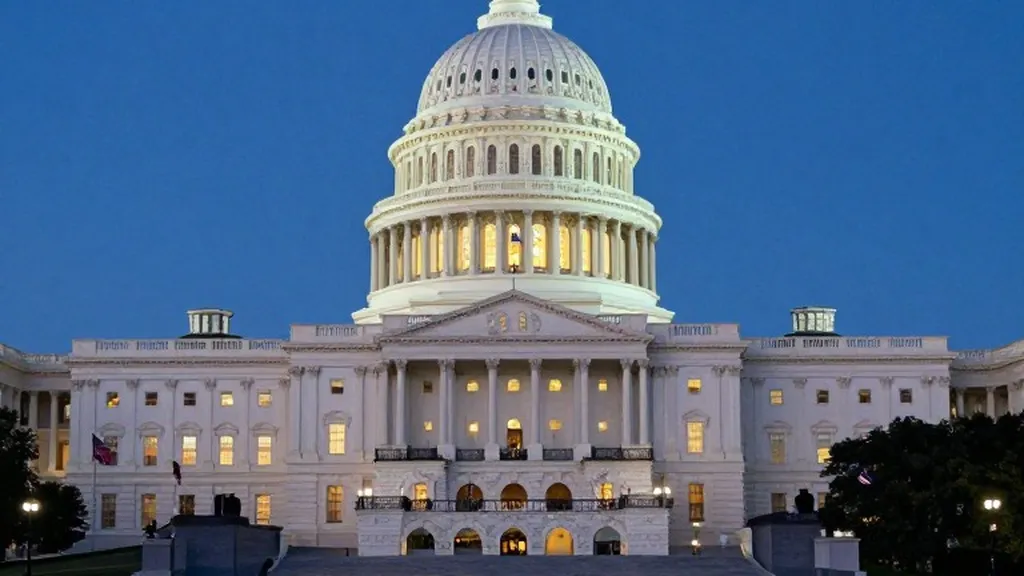
Democrats will assume control of both chambers of Congress following a decisive victory in the midterm elections. The party now holds substantial majorities in the House and Senate after a rout of Republicans at the ballot box. This shift places the party in the driver's seat with a mandate to lower costs and reduce corruption, a message hammered home for over a year. The challenge ahead is uniting a fractious caucus to deliver on that central pledge.
Legislators plan to act within the first hundred hours of the new Congress. Their immediate priorities include restoring enhanced Affordable Care Act subsidies and reversing Medicaid cuts passed in the One Big Beautiful Bill Act last year. They also intend to reassert congressional authority over tariffs and force votes on war powers resolutions to end the Iran conflict. These issues have near-total agreement among Democratic members.
The path to passage remains complicated by the mechanics of divided government. President Trump has vacillated between threatening vetoes and suggesting cooperation. Most legislation requires 60 Senate votes to avoid a filibuster. Brookings Institution expert Molly Reynolds notes that the wave election removed many moderate Republicans, leaving a more conservative opposition conference. This dynamic forces compromise on must-pass items like appropriations for the war.
Internal party divisions over the pace and scope of change are already visible. House Speaker-elect Hakeem Jeffries of New York pledged bold and dramatic change. However, Senate Democrat Brian Schatz of Hawaii argued that bold policy changes belong in the 2028 cycle, while the current focus must be on stabilizing the country. Rep. Greg Casar of Texas, chair of the Congressional Progressive Caucus, rejected the idea that the election was about returning to the status quo.
The new majority includes a large group of moderate Democrats who won in conservative-leaning districts and traditionally red states such as Iowa, Kansas, and South Carolina. A new class of progressives is also entering Congress, some having flipped Republican-held seats. This mix creates a spectrum of views on issues like Medicare for All versus gradual insurance expansion. Top leaders are currently downplaying these tensions.
Senate Minority Leader Chuck Schumer of New York told reporters that candidates from both wings of the party delivered the same core message, despite regional differences. He emphasized that the unity of purpose matters more than specific policy endpoints. The incoming leaders must balance the high expectations set by the election results with the practical limits of their new power.
The pressure to deliver visible results is intense. Local activists and newly elected members argue that voters are desperate for change and expect immediate action on the Iran war and spending. Illinois Rep. Brad Schneider, chair of the New Democrats caucus, warned against overpromising at the risk of underdelivering. The ability of progressives to push the agenda left may be limited by the size of the overall majority and the need to retain centrist support.