Eric Kim Blends Korean and Southern Traditions for a New Thanksgiving Menu
The Atlanta chef serves a buffet-style feast that incorporates fermented pastes, quick pickles, and a three-day preparation schedule for home cooks.
By Emmanuel Faure ·
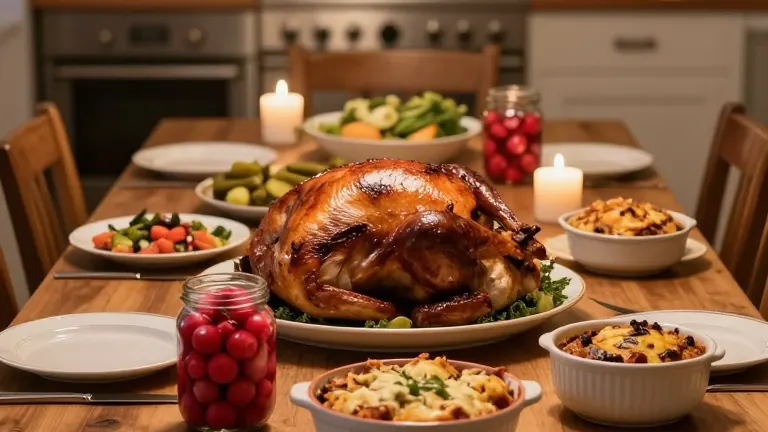
Chef Eric Kim is redefining the Thanksgiving table by merging his South Korean heritage with his Southern upbringing. Kim, who grew up in Atlanta, created a menu that functions as a love letter to the informal buffet style of his childhood. His approach moves away from rigid formal dining in favor of a generous spread where guests build their own plates. The collection of ten recipes aims to help home cooks stretch their culinary skills while honoring the people they invite to the table.
The heart of the meal is a 12 to 14 pound turkey that undergoes a long dry brine. Kim instructs cooks to salt the bird with either 6 to 7 teaspoons of Morton coarse kosher salt or 9 to 10 and a half teaspoons of Diamond Crystal kosher salt. The turkey rests in the refrigerator for at least eight hours and up to 72 hours before cooking. This process seasons the meat deeply and helps the protein retain moisture during the long roast.
During the roast, the turkey cooks alongside six heads of garlic, a bunch of sage, four large dried red chiles, and a halved plum tomato. The oven temperature starts at 350 degrees for 30 minutes before dropping to 275 degrees for two and a half to three and a half hours. The bird is ready when the thickest part of the thigh reaches 175 degrees. The aromatics in the pan create a jus that can be served with the meat or used to build a gravy.
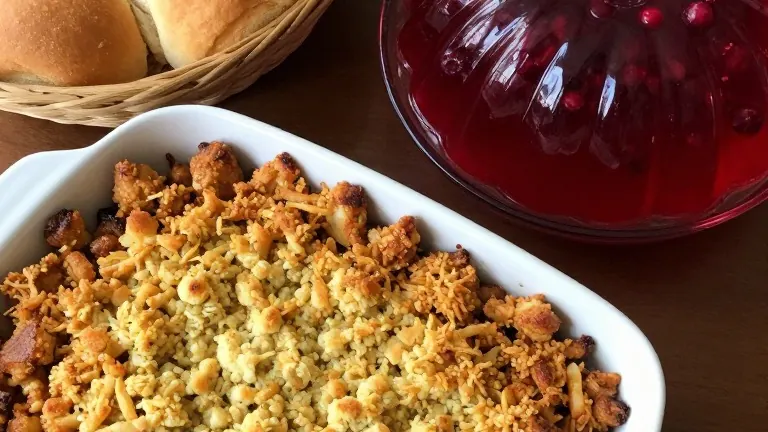
Kim incorporates Korean fermented pastes directly into the traditional American dishes. A dollop of doenjang, a fermented soybean paste, adds depth to the brown gravy. He also suggests mixing gochujang, a red chili paste, into the cranberry sauce. These additions reflect his belief that foundational sauces from his family roots can elevate standard holiday fare without dominating it.
One of the standout sides is a trio of quick pickles made from radishes, cauliflower, and cucumbers. The radishes pickle in a brine of water, sugar, vinegar, and salt. The cauliflower marinates in a brine containing turmeric, cardamom, and dried guajillo or ancho chiles. The cucumbers soak in a soy sauce and vinegar brine that includes shiitake mushrooms, apple, onion, and ginger. Each pickle requires at least eight hours of chilling in the refrigerator before serving.
The preparation timeline spans three days to keep the workload manageable. On the first day, cooks shop for ingredients, start thawing the turkey, chop vegetables, and make the pickles. The second day is for dry brining the turkey and preparing casseroles just before baking, then covering and refrigerating them. On the final day, the turkey roasts while casseroles bake and fresh vegetable sides come together.
Kim notes that his guests have strong preferences for specific items. His husband favors the squash macaroni and cheese. However, the unanimous favorite among friends is the kale and cheese rice casserole. The meal is designed to be communal, with a rule that guests must serve themselves. The table is set with a lit candle and a tablecloth, creating an atmosphere of shared attention.
The recipes include detailed tips for sourcing ingredients. Dried guajillo and ancho chiles are mild and available at Mexican grocery stores or online. If those are unavailable, a teaspoon of crushed red pepper can substitute. For the pickles, wide-mouth glass jars are ideal, but any heatproof, resealable food-safe containers will work. The pickles keep for up to two months in the refrigerator, making them a lasting part of the holiday experience.