EU warns Burnham it will not discuss long-term UK ties until he decides on reversing Brexit
European diplomats say piecemeal reset summits have run their course and the prime minister must first decide whether he intends to undo Brexit, even as negotiators race to finalise this week's agreement.
By Madison Darwish ·
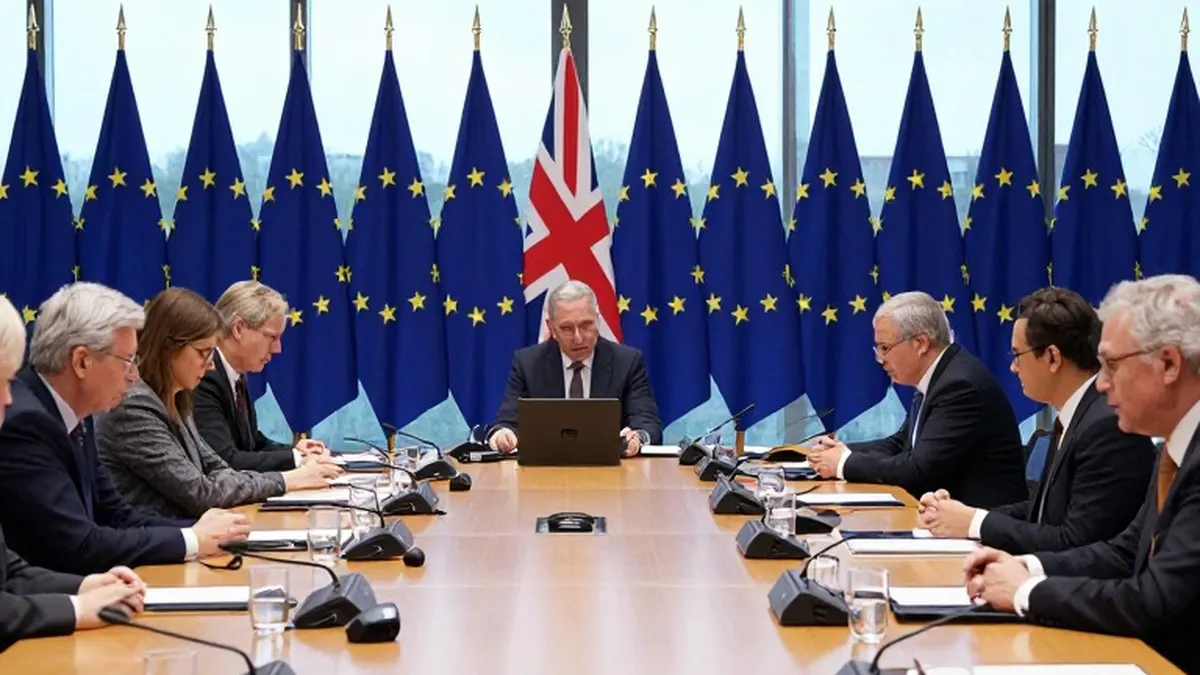
The European Union will refuse to open discussions with Andy Burnham about the United Kingdom's longer-term relationship with the bloc until the government has decided whether it wants to reverse Brexit, diplomats have said. European capitals also warn that piecemeal "reset" summits have reached the end of the line and want the prime minister to settle his next steps at home first.
Diplomats suggested that a joint statement after this Friday's summit would signal further talks on the UK's entry to the EU's energy single markets, irregular migration and a closer defence and security relationship.
"Clarity is what we need more than anything from the UK. Don't come back until you know what you want. Work out what your options really are and then come to negotiate," one EU diplomat said. "The prime minister needs to bring the public with him. We can't have another negotiation based on just half the country. We'll only put the effort in if we know it's not going to change down the line."
Burnham is expected to set out his next steps on Monday, after the summit, including his hopes for a national conversation about what a closer relationship might look like. He has said there is no rush and is under pressure within his party to slow the pace. He is not expected to lay out the full range of options, the status quo, customs union, single market or full rejoin, until he announces his 10-year plan in December. The government is weighing a year-long national conversation in 2027, with town halls and citizens assemblies, before choosing a route ahead of the next election.
With less than 48 hours before the Brussels summit, negotiators were racing to finalise Friday's agreement. A leaked draft seen by the Guardian shows disagreement over EU demands that the UK commit to aligning with the bloc's trade defence measures, such as tariffs on Chinese electric vehicles, in exchange for inclusion in Made in Europe legislation. The text shows Britain seeking a weaker commitment, promising only an "aim to protect supply chains consistently across our markets and guard against potential risks of circumvention."
A Cabinet Office source called the Made in Europe language "the highest jeopardy" in the negotiations, while an EU official suggested it was the element most likely to go "down to the wire" on Friday. Although both sides are formally committed to annual reset summits, senior EU diplomats say the approach designed by Keir Starmer will quickly "reach its limits," and one said the "piecemeal approach is coming to an end."
The potential length of that debate has alarmed Brussels officials, who were caught off guard by the launch of Stay Out, a pro-Brexit group set up by architects of Vote Leave. "The government would spend the year making evidence-based arguments about each of the four options, while Boris Johnson and Michael Gove and Nigel Farage will spend it shouting about traitors," one EU diplomat said.
Once agreed, the reset deal will be enacted through the European partnership bill, covering food and agriculture, emissions trading and youth mobility, and is expected to be introduced before Christmas, possibly as soon as next week. The two sides are expected to settle on a quota of about 100,000 people a year able to work, travel or study in each other's territories; the UK had pitched 50,000, then 80,000, while Brussels sought more.
Senior Labour figures are pressing for a full rejoin to be on the table. Peter Kyle, the former business secretary, said Burnham should fight the next election promising to rejoin the EU, with a referendum on any deal, calling it the "only way through" the domestic debate. Former foreign secretary David Lammy has said the party should enter the election clear that it intends to rejoin, while former chancellor Rachel Reeves has argued leaving made the UK "poorer, weaker and less secure."