
Lions May Gain 2027 Salary Cap Relief From Hutchinson Injury Clause
Aidans Hutchinson's torn ACL may allow the Detroit Lions to secure significant salary cap credits for 2027 through insurance clauses in his contract.
By Alina Marshall ·
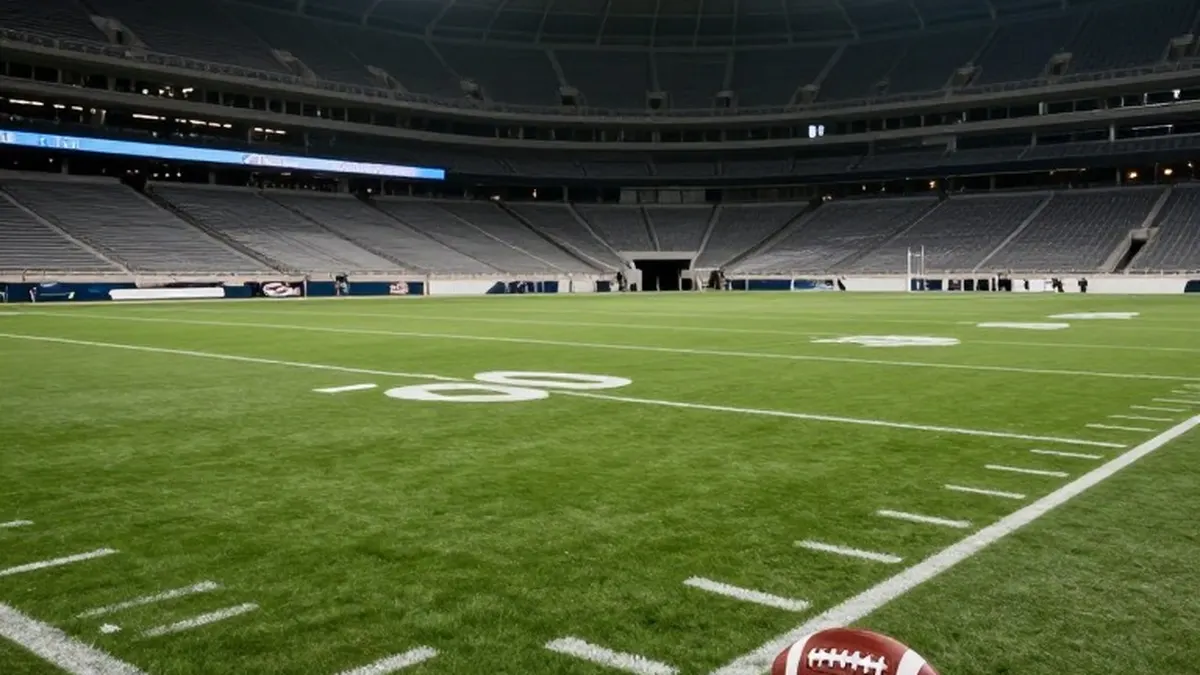
The Detroit Lions face a significant setback after star edge rusher Aidan Hutchinson suffered a torn ACL in Week 10, ending his season. The injury occurred while he was celebrating a sack, marking a harsh blow to the team's pursuit of the NFC North title. However, specific provisions in Hutchinson's contract and the NFL collective bargaining agreement may provide the franchise with valuable financial flexibility in the coming years.
According to the Detroit Free Press, Hutchinson's four-year, $180 million extension signed in 2025 includes a clause that allows the Lions to purchase insurance policies against his salary. The contract reportedly entitles the team to insure up to $60 million in lost salary if Hutchinson is unable to play due to injury. For the current 2026 season, the maximum insurable amount is $45 million. This figure encompasses his $1.2 million base salary, the full $28.4 million option bonus, and $15 million of his signing bonus.
It remains unclear whether the Lions purchased these policies or if they selected the maximum coverage available. If they did secure such insurance, the team would receive a prorated portion of Hutchinson's salary as an insurance payment. Additionally, the collective bargaining agreement permits the Lions to earn salary cap credits in future years. These credits are designed to offset the difference between Hutchinson's actual pay and the proceeds from the insurance.
While Hutchinson's salary and bonuses still count against the 2026 salary cap, the potential insurance payouts could free up millions of dollars in space for 2027. According to Over The Cap, the Lions currently possess the fourth-most cap space for this year at $32.9 million and the ninth-most for 2027 at $62.1 million. Maximizing this future headroom is crucial, as key players like tight end Sam LaPorta and safety Brian Branch are set to reach free agency at the end of the season. Additional cap space would assist the Lions in re-signing these athletes to larger contracts.
Salary insurance is a costly strategy that teams do not apply to every roster member. The Lions reportedly chose not to insure quarterback Jared Goff when he signed his extension in 2024. They also did not insure linebacker Jack Campbell's offseason deal. Campbell suffered a severe neck injury in Week 8, and it remains uncertain when, or if, he will return to the field. As of October 2024, Goff's contract was the only uninsureed deal among thirteen quarterbacks earning an average of $45 million per year or more.
The mechanism for receiving salary cap credits from insurance payments was first introduced in the collective bargaining agreement in 2006. It took several years for teams to fully utilize this clause. A 2024 CBS Sports report highlighted that the New York Giants included an insurance clause in the addendum to Eli Manning's historic 2009 contract extension. That deal had previously made him the highest-paid player in the NFL. The earliest known instance of a team qualifying for this cap credit occurred in 2013, when the Green Bay Packers insured $20 million of Aaron Rodgers' $35 million signing bonus.
The Lions have a precedent for insuring their largest contracts. In 2017, they took out a policy on Matthew Stafford's five-year, $135 million extension. Interestingly, they did not follow this practice when re-signing Goff. However, the financial relief from these policies is often more modest than fans might expect. Insurance contracts typically require players to miss a specific number of games before payouts begin. Furthermore, policies often include deductibles, which reduce the total payout and, consequently, the amount of salary cap relief the team receives from the NFL.
More News · National news · Report a business · Got a Story?