Israelis vote Tuesday in contest between Netanyahu and Eisenkot
The election is the first national vote since the 2023 Hamas attack, with polls indicating a tight race that may require weeks of coalition building.
By Emmanuel Faure ·
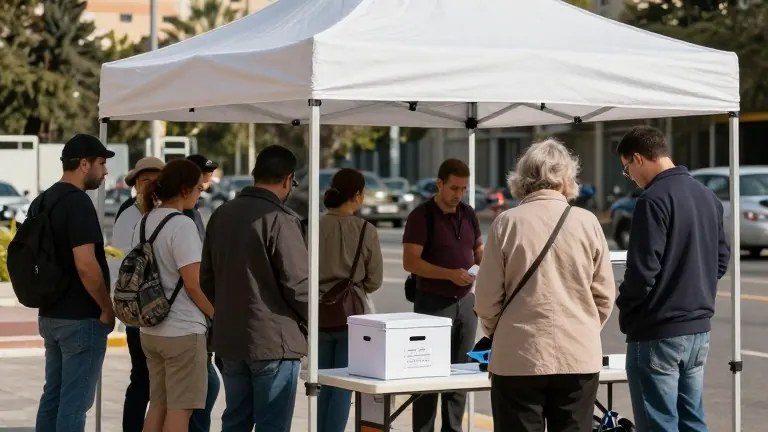
Israeli citizens cast ballots on Tuesday in a general election that will determine whether Prime Minister Benjamin Netanyahu remains in office or is replaced by a rival coalition.
The vote marks the first national election since the October 7, 2023, attack by Hamas that initiated the war in Gaza. The contest pits Netanyahu against a group of parties seeking to remove the longtime leader from power.
Netanyahu has led the country through a turbulent four-year term characterized by ongoing conflict and an unresolved hostage crisis. His supporters describe him as a steady hand who has guided Israel through multiple wars while protecting the state's Jewish identity.
Critics, however, view him as a polarizing figure who has extended the war in Gaza for political advantage. They accuse him of undermining the independence of the judiciary and allowing ultra-Orthodox religious Jews to avoid compulsory military service.
Gadi Eisenkot, a former military chief, leads the opposition bloc. Supporters characterize Eisenkot as a leader with strong security credentials who can serve as a check against illiberal tendencies in the government.
Eisenkot’s campaign emphasizes his personal connection to the conflict, noting that his son and two nephews were killed in Gaza. His likely governing partners have pledged to improve Israel's international standing, conscript ultra-Orthodox men, and bolster judicial independence.
The political landscape in Israel is fragmented, meaning no single party has ever won an outright majority in the past. Leaders must form coalitions to secure the support needed to govern.
Current opinion polls suggest the race is tight. Nonaligned Arab parties are encouraging high turnout, which could make them key players in determining the outcome. If neither side secures a majority immediately, weeks of negotiations may be required before a leader is declared.
Tensions with Iran have intensified ahead of the vote. Netanyahu appeared in a video earlier this week standing next to a missile-defense battery. He warned Tehran that it would face a devastating blow if it attacked Israel.
The election also serves as a referendum on the character of the state. Voters are weighing whether the country should be heavily influenced by religious and nationalist forces or more firmly anchored in liberal and secular values. Israel faces increased isolation from traditional allies, with recent sanctions imposed by partners in Europe and a drop in public support among Americans.
Source: KPRC-TV