Kremlin Approves Return to Tripartite Ukraine Negotiations
Moscow has agreed to restart direct talks with Washington and Kyiv in November, a move that could mark the first substantive diplomatic engagement since early this year.
By Priya Sharma ·
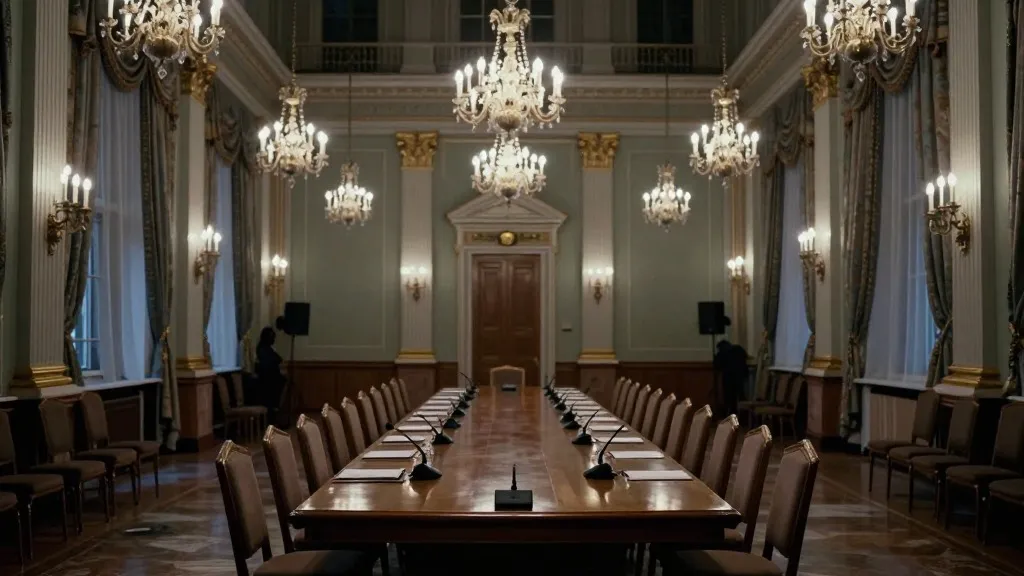
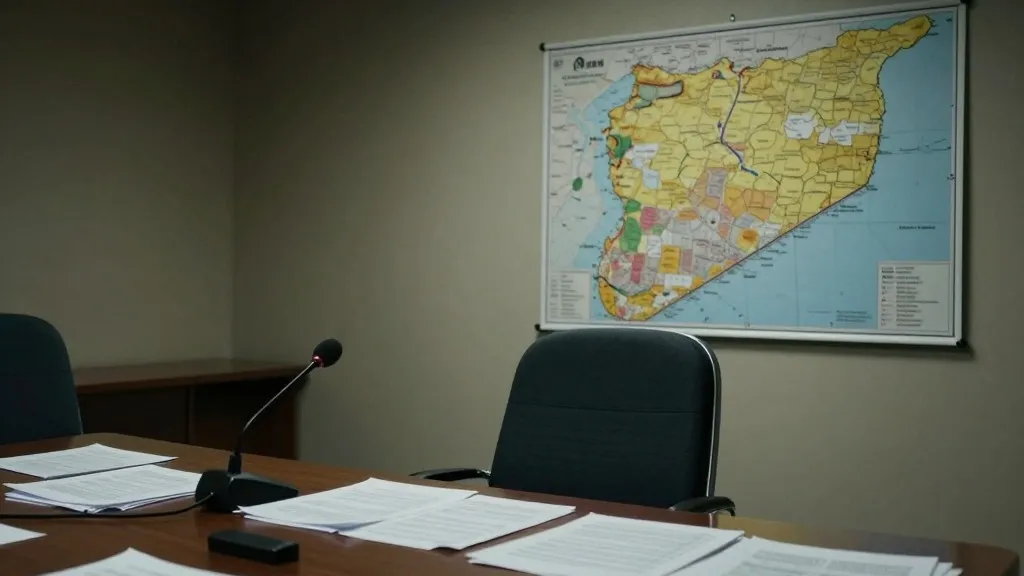
The Kremlin has officially agreed to resume three-way negotiations with the United States and Ukraine, a decision that sets the stage for the first such diplomatic talks since February. Russian President Vladimir Putin gave his approval in principle to restart the process after November 10. This move follows a high-stakes meeting in St. Petersburg between Putin and U.S. envoy Steve Witkoff. The timing is significant, as it occurs more than four and a half years after the war began and amid a period where previous U.S.-led peace efforts have yielded little tangible progress.
Yuri Ushakov, Putin’s foreign affairs adviser, stated that the upcoming discussions will center on constructing a security framework for both Russia and Ukraine once the conflict concludes. The St. Petersburg talks lasted approximately three hours and involved other key figures, including Russian presidential envoy Kirill Dmitriev. U.S. President Donald Trump’s son-in-law, Jared Kushner, also participated via video link. According to a U.S. official familiar with the private discussions, Witkoff and Kushner proposed the technical-level meeting and shared updates from their earlier talks with Ukrainian President Volodymyr Zelenskyy.
The agreement comes with some reservations from Moscow. Ushakov noted that proposals emerging from a recent meeting in Oslo, where Witkoff spoke with Zelenskyy and European leaders, contained little of real value for resolving the crisis. However, he later conceded on Russian state television that while Moscow is not fully satisfied, the Oslo outcomes represent a step in the right direction. This nuanced stance suggests that while diplomatic channels are reopening, the gap between the parties’ positions remains significant.
President Zelenskyy voiced support for the swift restart of talks in an audio message released late Wednesday. He described the agenda as clear, aiming to end the war and prepare for a meeting at the leaders’ level. Yet, he expressed skepticism about Russia’s reliability, noting that Moscow had previously canceled similar meetings. “We’ll see what happens this time,” Zelenskyy said, highlighting the uncertainty surrounding the new phase of diplomacy.
The diplomatic push coincides with continued military pressure. Shortly after Zelenskyy’s message, missile alerts sounded over Kyiv, accompanied by loud explosions. Ukrainian authorities reported that overnight attacks left three people dead and 12 wounded in the capital, with significant damage to residential buildings. In other regions, including Kharkiv, drones struck residential areas, killing two more people and wounding 11. The Russian Defense Ministry claimed its air defenses intercepted 373 Ukrainian drones over various regions and the Crimean Peninsula.
Meanwhile, U.S. President Donald Trump has intensified pressure on Kyiv to reach a deal, stating in the Oval Office that the U.S. has given much to Ukraine but received little in return. He warned that failure to make a deal could lead to a very bad outcome. In a related development, Russia released a retired American teacher, Stephen Hubbard, who had been imprisoned on mercenary charges. Witkoff characterized this as a goodwill gesture after Trump asked Putin for his release. These actions suggest a complex backdrop where diplomacy and military force continue to advance in parallel.
Additional diplomatic activity includes Putin’s meeting with Chinese Premier Li Qiang in St. Petersburg. The leaders discussed a potential summit in China involving Russian, Chinese, and U.S. leaders next month. Ushakov indicated that Beijing is already preparing for this event. The convergence of these diplomatic tracks points to a broader effort to manage the conflict through multilateral engagement, even as the war on the ground persists.
Source: Atlanta News First