New startup aims to clone supercharged war dogs for the US military
Warhound has emerged from stealth mode with a $1.2 billion valuation to create genetically edited and tech-equipped canines for defense and law enforcement.
By Rafael Ortega ·
$1.2 billion. That is the valuation of Warhound, a new company that has just emerged from stealth mode to launch a bold venture into military technology. The startup is backed by $200 million in funding from major investors, including Sequoia, 8VC, Corner Ventures, and In-Q-Tel. In-Q-Tel is a venture firm supported by the CIA and other U.S. intelligence agencies. This significant financial injection signals a serious push to reshape how the nation equips its working dogs.
The core mission of Warhound is to engineer dogs specifically for dangerous tasks that are either too risky for humans or too complex for current machines. These roles include bomb detection, search operations, and other specialized duties. The company highlighted a critical gap in the current system during its launch. More than 80 percent of the U.S. military's working dogs are currently imported from Europe. Furthermore, fewer than half of those imported dogs are deemed fit for service. This reliance on foreign supplies is seen as a growing vulnerability.
The project is a collaboration between Ben Lamm of Colossal Biosciences and Palmer Luckey, the founder of Anduril. Lamm and Luckey met at a conference about a year ago, where Luckey expressed a desire to do more for the military's canine workforce. Lamm subsequently researched breeding practices and found that many dogs fail training due to inherited issues. These problems include poor eyesight, cancer risks, hip dysplasia, and muscle atrophy. The goal is to use gene editing to remove these weaknesses and add traits that improve speed, agility, and olfactory senses.
The team is focusing on cell lines from top-performing breeds, such as the Belgian Malinois and the German Shepherd. These cells are being stored in a biobank for genetic modification. The process aims to create a new type of dog that is healthier and longer-lived. Colossal Biosciences, known for its de-extinction efforts like the mammoth, will license its technology to support this work. Viagen, another company owned by Colossal, will handle the cloning of the first batch of dogs.
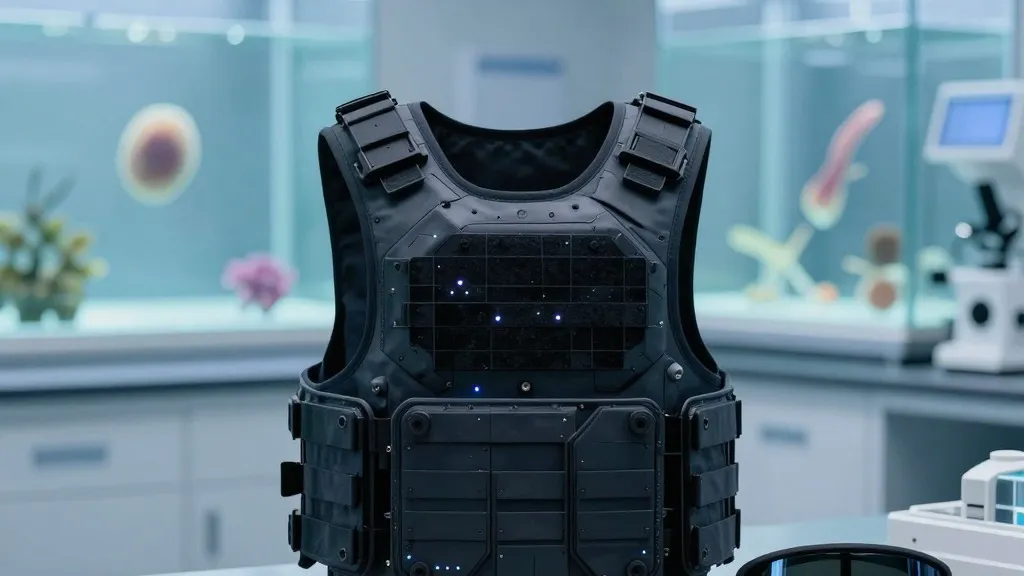
Anduril will play a crucial role by providing the hardware and software that will accompany the animals. This includes protection vests and goggles designed to enhance situational awareness for both the dog and its handler. Lamm described the concept as adding technology on top of the dog rather than inside it. For example, bulletproof vests could include data sensors that transmit real-time information to handlers. This setup is intended to make the dogs safer and more effective in the line of duty.
The timeline for this ambitious project is tight. The first batch of dogs is expected to be cloned and incubated shortly. Births are anticipated in early 2027. Ideally, these animals could begin service within two years. Warhound has not yet announced pricing for the dogs. However, the company expects to sell them to first responders, the Department of Defense, military service groups, and police forces. Lamm noted that the team has already briefed various government groups on the business model.
Regarding safety and ethics, the company is working with the American Humane Society. The organization will help certify the training program for the new dogs. Lamm stated that each dog will be trained like any standard military working dog. Upon retirement, the dogs are expected to enter the Society's Military Working Dog Reunification Program. This program helps find homes for retired military animals. The American Humane Society praised Warhound for inviting the organization to the table. The group said it looks forward to ensuring the animals are treated humanely.
As Warhound moves forward, the focus remains on addressing the dwindling supply of fit working dogs in the United States. By combining genetic engineering with advanced tactical gear, the company hopes to change the landscape of military and law enforcement support. The involvement of intelligence-backed investors suggests that this is a high-stakes initiative. The coming years will determine if these engineered and equipped dogs can successfully fill a critical role in national security.
Source: TechCrunch