Polymarket probes election bet manipulation
The prediction market platform sent at least two cases to federal regulators after reviewing dozens of suspicious trades.
By Madison Darwish ·
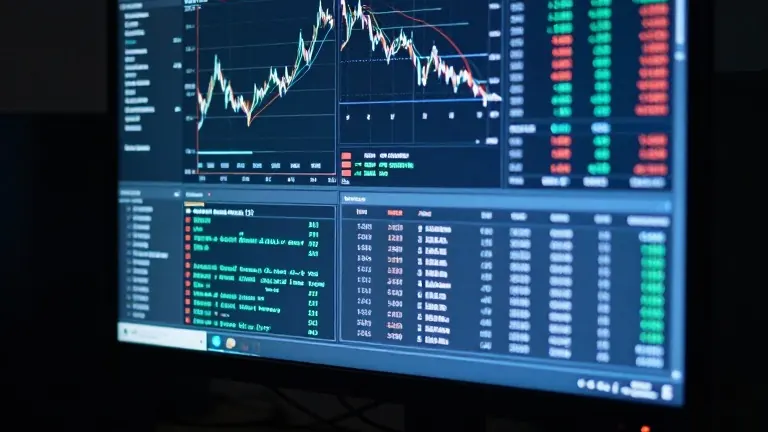
Polymarket has investigated dozens of bets tied to the upcoming midterm elections. Shana Bautista, the company's head of global intelligence and investigations, confirmed the reviews. At least two of these cases were referred to the U.S. Commodity Futures Trading Commission. The CFTC regulates the platform. The probes focus on suspected insider trading and market manipulation.
Bautista joined the company in June. She previously served as an FBI official and cryptocurrency analyst. Her team of 16 employees uses a new election surveillance system. This system monitors bets leading up to the November 3 midterms. Bautista told users with protected information should not trade on it. She stated that trading on such information violates both platform terms and the law.
The surveillance covers both the U.S. regulated version of Polymarket and Polymarket International. The U.S. version requires real identity verification. The international version allows anonymous trading with cryptocurrency. Bautista said crypto trades are rarely fully anonymous. Her team can usually identify the traders involved.
The system collects gigabytes of data per user. Sources include social media, Federal Election Commission records, and cryptocurrency firms. Banking partners and statistical models also feed the system. Alerts go to Bautista's phone when users trip internal red flags. She receives hundreds of these alerts daily. She declined to share the specific criteria for security reasons.
Rival platform Kalshi announced its own surveillance system in May. That system uses FEC data to block campaign staffers from betting. Kalshi said in July that it had blocked dozens of staffers. One staffer told NPR they found a way around the restriction. That staffer shared trade records and spoke anonymously to protect future job prospects.
Rajiv Sethi is an economics professor at Barnard College at Columbia University. He has studied prediction markets for decades. Sethi said election markets are vulnerable to becoming self-fulfilling prophecies. He noted that perceptions of a candidate losing momentum can influence the actual result. Polymarket says its team studies past cases to improve detection tools. The CFTC has done little to police these markets as they have grown over the past two years.
Source: NPR
More Business · National news · Watch Your Wallet · Report a business · Got a Story?