Pope Leo XIV Returns to Peru Amid Calls for Institutional Reform
University scholars argue that the pontiff's decades of service in the Andean nation have shaped a leadership style focused on social inequality and political dialogue.
By Alina Marshall ·
Pope Leo XIV has arrived in Peru, the country that influenced his theological development and pastoral approach. Victor Casallo, Director of the Department of Philosophical and Theological Studies at Antonio Ruiz de Montoya University, stated that the pontiff's identity cannot be defined by his Chicago origins alone. Casallo noted that the leader’s decades of work in Peru during periods of political instability and state violence created a religious outlook based on cultural openness and solidarity with marginalized communities.
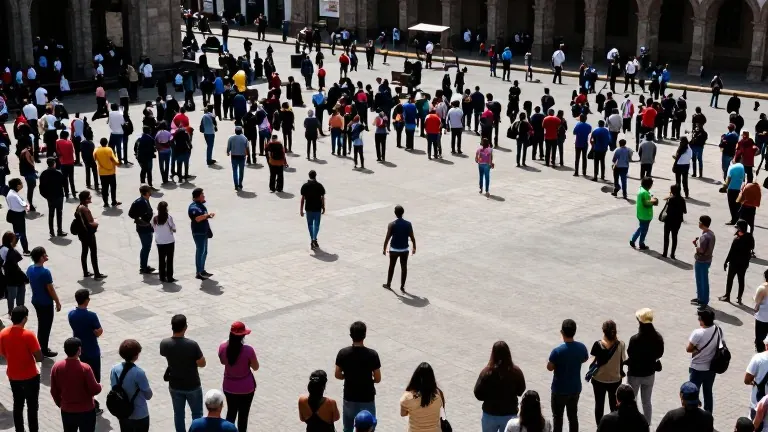
The visit occurs against a backdrop of deep social division. Casallo observed that Peruvians often view those with differing opinions as enemies rather than fellow citizens. He argued that the pope’s history of serving amid terrorism and profound social inequalities provides him with an intimate understanding of human suffering. This background positions him to address a polarized nation seeking to rediscover the possibility of dialogue.
Liberation theology remains central to the pope’s ethical framework. Casallo explained that the movement’s "preferential option for the poor" is no longer a marginal current but an integral part of the contemporary Catholic Church’s mission. However, this heritage requires the institution to examine its own history. Casallo recalled the Church’s past failures to defend those suffering from violence and injustice, stating, "We have betrayed the poor and the vulnerable."
The pontiff’s presence creates a tension between popular appeal and political consequence. In a society where religious authority shapes public morality, papal denunciations of corruption, inequality, and xenophobia carry significant weight. Casallo warned that political leaders who embrace the pope publicly must also address the ethical implications of his message. He challenged these figures with the assertion, "They cannot just say 'amen' and look away."
The visit aims to translate enthusiasm into accountability. Casallo stated that the importance of the trip lies in whether public admiration can inspire greater solidarity and a renewed commitment to living together. The moral authority of the papacy is being tested in a polarized democracy where calls for justice must compete with political spectacle.