NATO chief reacts to reports of Russian nuclear satellite plans
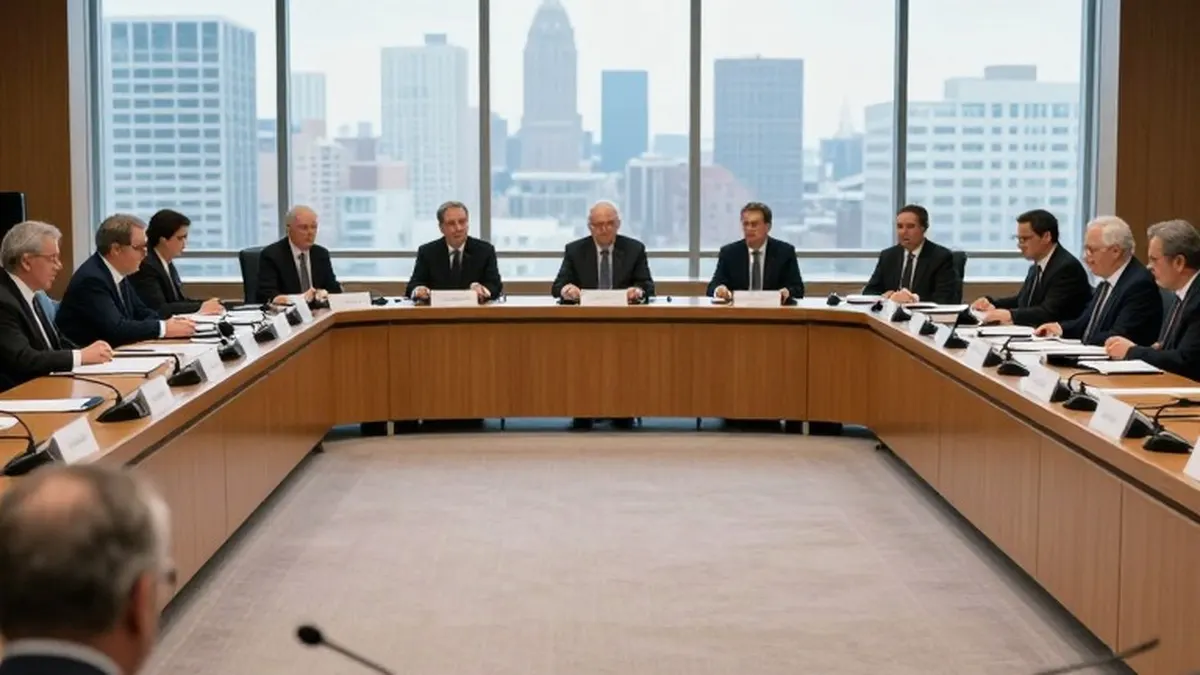
NATO Secretary General Mark Rutte stated the alliance would defend against space threats after reports emerged that Russia may be preparing to launch a nuclear-armed satellite.
By Alina Marshall ·
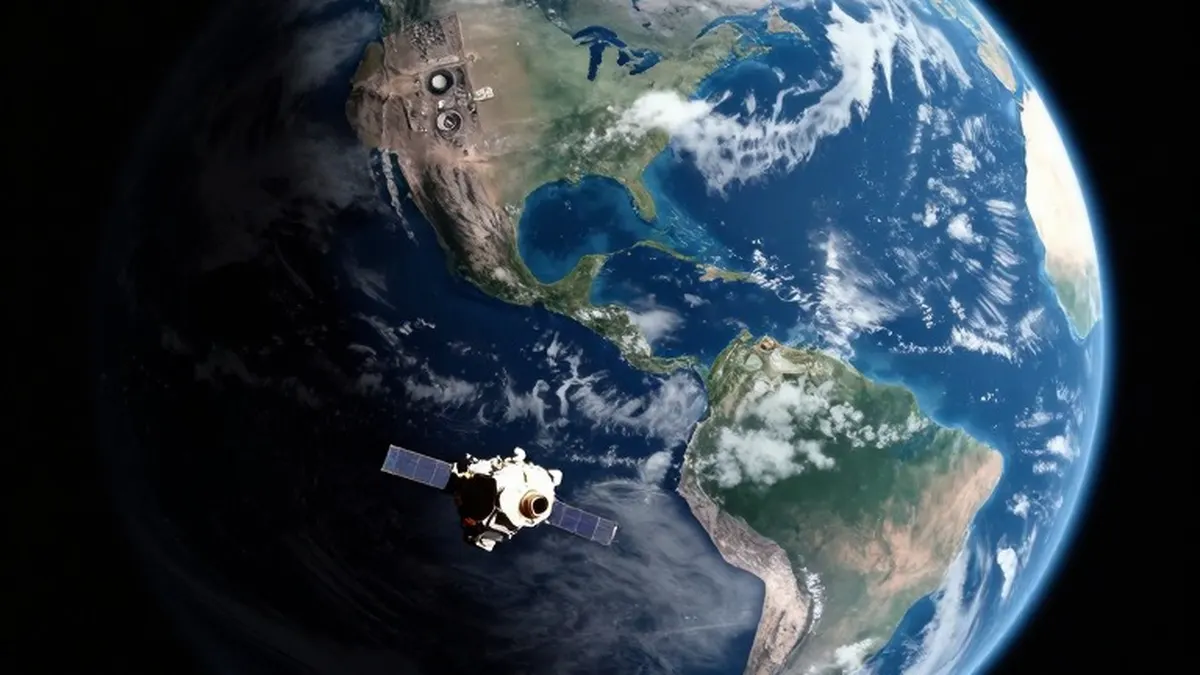
NATO Secretary General Mark Rutte addressed the potential expansion of nuclear threats into space on Monday. He made these remarks in response to reports from German media outlets suggesting that Russia is in the process of preparing to launch a satellite equipped with nuclear capabilities.
Rutte confirmed that the alliance is committed to defending against such threats. His comments underscore the growing importance of space as a domain of military strategy and potential conflict among major global powers.
The specific reports indicate that the Russian plan involves a satellite armed with nuclear weapons. This development has drawn attention to the evolving nature of strategic deterrence beyond traditional land and sea boundaries.
Dafydd Townley, a Senior Teaching Fellow in International Security at the University of Portsmouth, provided analysis on the proposed Russian initiative. He spoke with FRANCE 24 correspondent Jennie Shin to offer expert insight into the implications of the plan.
Townley described the alleged plan as foolhardy. He argued that the primary issue with such a system is the nature of its potential impact, which he characterized as indiscriminate.
According to Townley, the indiscriminate nature of the impact means that the satellite's effects would not be easily controlled. He noted that the operators would not be able to choose to target only Western or non-Russian satellites, creating a risk of collateral damage in orbit.
This lack of precision in targeting raises significant concerns among security experts. The inability to limit the scope of the attack could lead to complex diplomatic and military challenges if the system were ever activated.
The discussion highlights the delicate balance of power in space, where damage to one object can have cascading effects on others. The potential for a nuclear event in orbit introduces new variables into the calculations of international security.
Rutte's assurance that NATO would defend against these threats signals a readiness to adapt its defensive postures. The alliance's focus on space defense reflects a broader shift in how collective security is understood in the twenty-first century.
As the debate continues, the interplay between political statements and technical assessments remains central. Both NATO leadership and academic experts are working to clarify the risks and responses associated with this emerging space-based threat.