Sanitiser sales jump 83% as UK households stock up for three-day disruptions
Grocery data shows a steady rise in emergency purchases following the government's Be Ready campaign, without the sharp spikes typical of panic buying.
By Madison Darwish ·
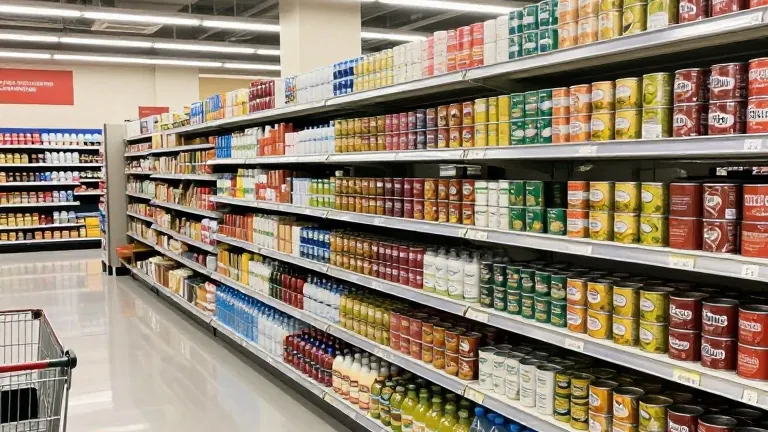
British shoppers increased their purchases of emergency supplies by double digits in the ten days following the launch of the government's Be Ready campaign. The initiative urges citizens to prepare for up to three days of service disruption caused by factors such as cyber-attacks or severe weather. While demand rose, the pattern of buying suggested steady accumulation rather than frantic stockpiling.
Worldpanel by Numerator data indicates that hand sanitiser sales were 83% higher than in the same period last year. Bottled water sales increased by 67%, and tinned and jarred products saw a 37% rise. The number of daily buyers of tinned meat climbed 43%, adding approximately 400,000 customers to the market each day. Despite this surge in headcount, the average quantity purchased per customer remained stable at around 500g.
Fraser McKevitt, head of retail and consumer insight at Worldpanel by Numerator, noted that the growth reflected more households adding recommended items to their regular weekly shop. He stated that fewer than a third of households bought bottled water in October. Princes, a canned tuna producer, reported increased demand for fish, meat, and vegetables since the campaign began. The company also plans further price increases to offset rising costs, having already lifted comparable sales by 3.3% in the third quarter.
Barclays research released last week found that 27% of adults were either building supplies or considering doing so. Preparedness levels varied by age group, with 53% of those aged 55 and over reporting enough food and water for three days, compared to 31% of adults between 18 and 34. Sales of batteries, torches, toiletries, and medicines also rose during the period.
Inflation in Great Britain edged up to 2.6% in the four weeks ending November 1, up from 2.5% the previous month. McKevitt said the October increase in the energy price cap has put pressure on household finances as colder weather arrives. Retailers are now entering their peak spending quarter, which includes Christmas, Black Friday, and Cyber Monday.
Halloween items saw price changes, with pumpkins costing about £1.20, a 12% drop from the previous year. Approximately 3.3 million households purchased a pumpkin, a 10% increase in volume. Sales of sweet tubs rose 28% during the period.
Total grocery sales in Britain grew 2.2% year on year in October. Ocado saw 12.3% growth over the 12 weeks ending November 1, reaching a record 2.3% market share. Marks & Spencer, a part-owner of Ocado, grew its grocery sales by 14.6%. Lidl surpassed Morrisons to become the fifth-largest grocer, with its market share rising to 8.6% against Morrisons' 8.3%. Asda was the only major grocer to see a decline, dropping 0.5% to a share of 11.3%.
More Business · World news · Watch Your Wallet · Report a business · Got a Story?