Special Education Teachers React to NPR Series on Workload and Burnout
Educators from across the U.S. shared personal stories about caseloads, IEP paperwork, and physical injuries after reading a new investigative series.
By Madison Darwish ·
Special education teachers across the United States have flooded the National Public Radio website with personal accounts of their daily struggles. The outpouring began after NPR launched a series tracking these educators through the 2026-2027 school year. The project aims to answer long-standing questions about why hiring and retaining these teachers remains so difficult despite a growing student population.
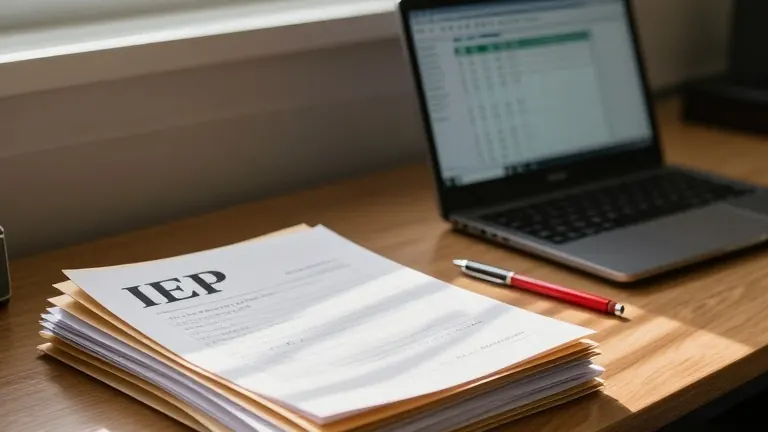
The series follows a small group of teachers from different states. It documents the day-to-day realities of a profession that serves more than 8 million public school students. These students require individualized education programs, or IEPs, which are legally mandated documents outlining specific goals and services. Teachers in the series describe a job that splits time between classroom instruction and administrative case management.
Wendy Campbell, a teacher in Jacksonville, Florida, wrote to NPR via Instagram after reading the initial reports. She described the workforce as overworked and understaffed. Campbell stated that Florida is short on teachers in general, but the shortage in special education is ten times worse. She noted that her team supports general education teachers while managing their own heavy caseloads.
Jacob Meraz, a teacher in Montclair, California, said the series accurately reflected his experience in Southern California. He has taught for nearly nine years and described feeling isolated from colleagues due to the volume of paperwork and meetings. He said the isolation made him tear up because he felt his workload was not visible to the rest of the school.
Kathleen Tejeda, a veteran teacher in Riverside, California, explained that special education teachers effectively hold two jobs. The first involves academic instruction, and the second involves managing the legal requirements of IEPs. This includes setting goals, collaborating with other staff, and addressing social and emotional needs. Tejeda said it took her years to find a balance between these duties and her personal life.
Some teachers cited physical risks as a major factor in burnout. Natalie Jeffs, a teacher in Provo, Utah, shared that her colleague, an 18-year veteran, suffered two concussions last year due to student violence. Jeffs said that even when students have severe disabilities, physical impacts register as trauma for the teacher. This can lead to a high rate of burnout in the field.
Emily Ellis, a teacher in Cayce, South Carolina, shared a positive note from her first quarter. She described a student who entered kindergarten without knowing how to count. By the end of the term, he could count to 10 independently and recognize alphabet sounds. Ellis said the data helped her feel confident in her methods even when daily progress seemed slow.
NPR is continuing to follow approximately a dozen special educators during the current academic year. The team will visit their classrooms to document ongoing challenges and successes. The series will continue to provide direct accounts from these teachers as they navigate the demands of their profession.