Amazon Concedes to Loudoun County After Local Pushback Against Data Center Plan
Amazon will convert a 122-acre site in Virginia into mixed-use residential development and donate land and funds to the county, reversing its July proposal to build four data centers.
By Madison Darwish ·
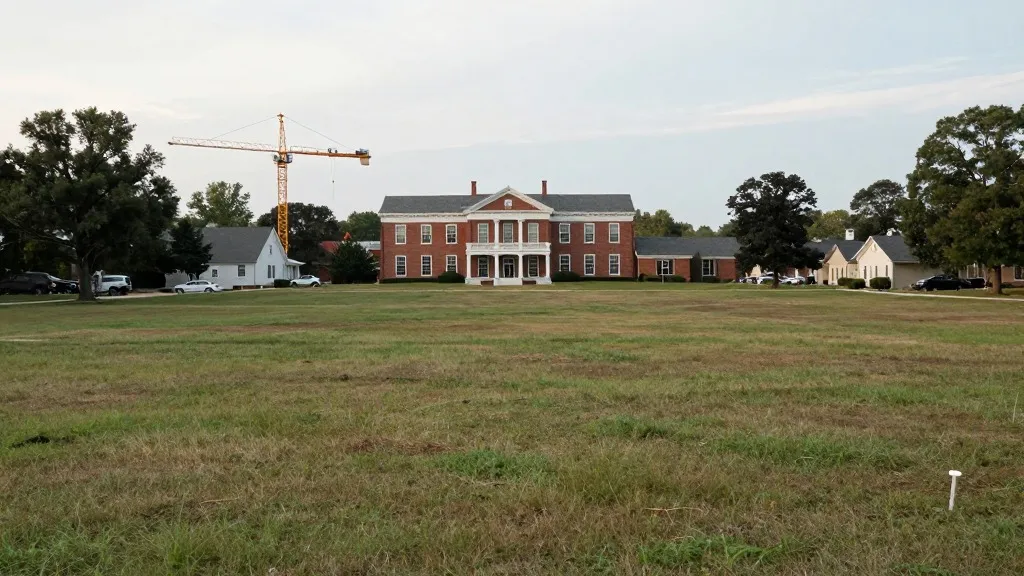
Loudoun County, Virginia, has long served as the global hub for internet infrastructure, but a recent decision by Amazon signals a growing friction between tech expansion and local quality of life. The company has scrapped its plan to construct four new data centers on a 122-acre former university campus just outside Washington, D.C. Instead, Amazon will develop the majority of the site as mixed-use and residential space. This shift follows significant resistance from residents who opposed the project, marking a notable retreat for a major cloud provider in a region known as Data Center Alley.
The new agreement includes several concessions designed to address community needs. Amazon will donate 25 acres of the property to the county for the construction of a community arts center and a recreational facility. Additionally, the company will contribute $5 million to the local housing fund. These terms reflect a move away from pure server deployment toward a more integrated land use strategy in a politically sensitive area.
The path to this reversal began in July when Amazon filed its initial proposal for the four facilities. Tensions rose in September when the company met with Phyllis J. Randall, chair of the Loudoun County Board of Supervisors. Randall suggested that Amazon might find a more suitable use for the land given local sentiments. Josh Weissman, Amazon’s vice president for data center development, acknowledged that the county had raised pointed concerns about development at this specific site. He noted that while Amazon viewed the legal potential of the property differently, they concluded that a shared vision was preferable to costly litigation.
This local dispute plays out against a backdrop of national and technological shifts. The surge in artificial intelligence has driven unprecedented demand for larger data centers, leading to concerns about noise, electricity consumption, and water usage. Communities are increasingly wary of these impacts, including potential spikes in local energy prices. Water shortages and deforestation have also become prominent issues in areas hosting these facilities.
The political landscape is also influencing the debate. Days before the Loudoun announcement, President Donald Trump urged data center builders and AI hyperscalers to pay a dividend to local communities due to energy price increases. He further stated that data centers should be required to generate their own electricity and return surplus power to the local grid. This national conversation appears to have aligned with local advocacy efforts in Virginia.
County leaders framed the outcome as a victory for cooperation. Randall stated that choosing dialogue over disagreement created an opportunity for the county. She emphasized that the agreement provides new spaces for residents to gather and create, while also offering more attainable homes for working families. The deal sets a precedent for how future data center proposals may be negotiated in a region that balances technological growth with community resilience.
What comes next involves Amazon executing the mixed-use development plan while the county prepares for the new public facilities. The 25-acre donation will likely face its own planning and permitting processes. For other regions considering large-scale data center projects, the Loudoun outcome suggests that early engagement with local supervisors and clear community benefits are now essential components of successful proposals.
Source: Tom's Hardware
More Business · Tech news · Watch Your Wallet · Report a business