Apple Music Hides a Working iPod Replica for the 2026 Anniversary
Visitors to the Apple Music website can now interact with a virtual version of the classic music player to mark the device's 25th anniversary.
By Alina Marshall ·
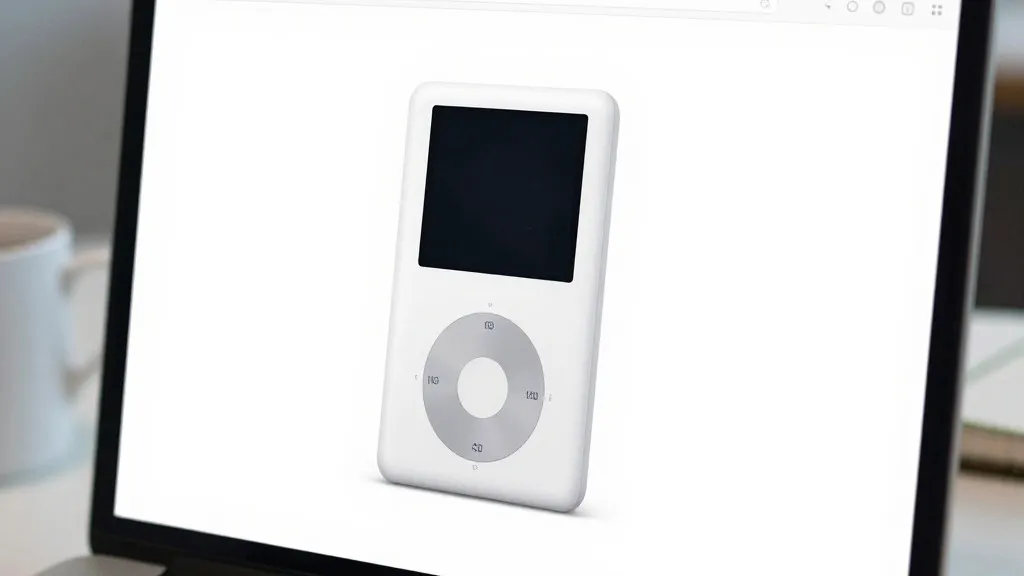
For anyone accessing the Apple Music website today, the experience of encountering a broken link has changed in a subtle but nostalgic way. Instead of seeing a standard error message, users may find themselves interacting with a functional replica of the original iPod. This hidden feature allows visitors to click buttons and spin a virtual wheel, replicating the physical gestures that defined the device two decades ago. The change is minor in terms of utility, yet it offers a direct, tactile connection to a product that shaped how millions of people consumed audio for over two decades.
The timing of this digital tribute is precise. Apple first unveiled the original iPod on October 23, 2001. Today marks exactly 25 years since that debut. By embedding this feature in the web domain, the company is acknowledging the milestone without a formal press release or a new hardware launch. The virtual player is accessible through specific URL paths that do not currently exist on the site, turning a typical 404 error page into an interactive memorial.
The discovery was made by a user identified as Kian on the social platform X. The user noted that navigating to a non-existent address, such as music.apple.com/ipod, triggers the appearance of the classic player. The interface mirrors the original hardware closely. The scroll wheel is fully interactive, responding to clicks and drags to scroll through tracks. The physical buttons for play, pause, and track skipping also function as expected, providing a seamless transition from digital interface to familiar hardware controls.
The content available on this virtual device is curated to reflect the era of the product's launch. The pre-installed songs are by artists who were prominent in the early 2000s. When a user selects a track, the browser plays a 90-second preview directly within the web interface. This design choice eliminates the need for any external applications or downloads. The experience is self-contained, relying solely on the browser's capabilities to deliver the audio and visual feedback.
The involvement of key figures in this story is limited to the discoverer and the company itself. Kian, the user who identified the feature, highlighted the interactive nature of the wheel and buttons. Apple has not issued a specific statement regarding the addition, nor has it announced any broader plans for the anniversary. The feature remains a quiet addition to the company's web presence, accessible to anyone who knows the specific URL structure or stumbles upon a missing path.
The stakes for ordinary users are low, but the emotional resonance is high. The iPod has been discontinued for several years, and Apple has not released a dedicated music player since. For many fans, the device represents a specific era of technology where hardware and software were tightly integrated. The web tribute serves as a reminder of that integration. It allows users to revisit the look and feel of the device without needing to own the physical hardware, which can be difficult to find in working condition today.
This move is distinct from a product announcement. There is no indication that Apple intends to revive the iPod line or release a new standalone music device. The feature is a lighthearted nod to the past rather than a strategic pivot. It acknowledges the legacy of the product that helped establish Apple's dominance in the consumer electronics market. The company is using its existing web infrastructure to create a moment of nostalgia without the cost or complexity of a new hardware release.
The broader context includes the current state of music streaming. For those who have moved on to subscription services, Apple Music remains a primary option. The service costs $11.99 per month and is also available as part of the Apple One bundle. The easter egg exists on the same domain that delivers these streaming services. This juxtaposition highlights the shift from owned, physical media to continuous digital access. The virtual iPod serves as a bridge between these two eras of audio consumption.
The feature has sparked a conversation about whether Apple should still produce a dedicated music player. Media outlets, including the one that reported the discovery, have asked readers if they believe a new hardware device is necessary. The question reflects a lingering desire for specialized tools in an era of general-purpose smartphones. While the web replica does not answer this question, it keeps the design and functionality of the original device alive in the public consciousness.
In the end, this anniversary feature is a small but significant gesture. It demonstrates that the iPod still holds a place in the memories of many users. By making the device playable in a browser, Apple allows a new generation to experience the interface that defined the early 2000s. The feature is simple, elegant, and true to the original design. It is a fitting tribute to a product that changed the way the world listens to music.
Source: 9to5Mac