Bay Area data center fight hits midterms
Seven California cities paused construction ahead of Tuesday’s vote while candidates clash over AI infrastructure.
By Madison Darwish ·
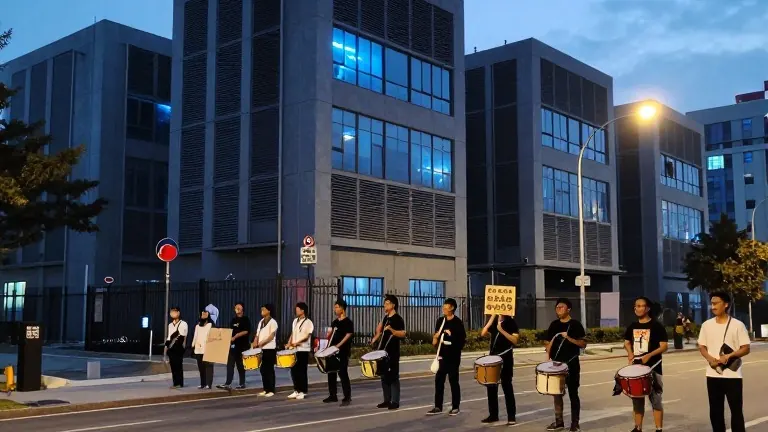
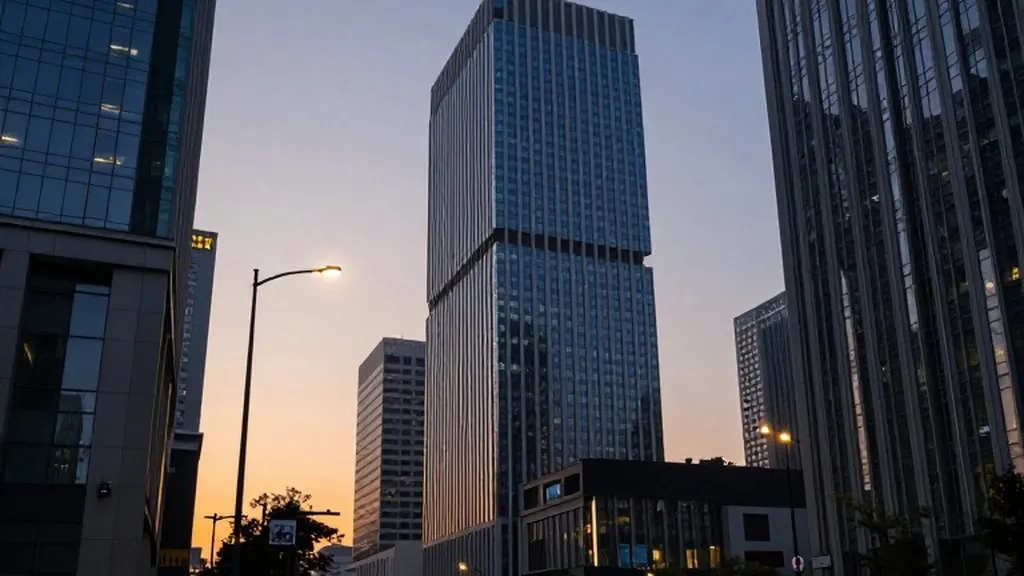
More than 3,000 data centers operate in the United States, with an additional 1,500 in development, according to the Pew Research Center. This rapid expansion has sparked a local backlash in California’s San Francisco Bay Area, where the infrastructure supports major AI firms like Anthropic, OpenAI, and Meta. Protesters in Oakland recently gathered outside City Hall, dressed as cardboard robots, to voice concerns that these facilities strain the energy grid and drive up household electricity bills.
The issue became a focal point in the final two months before the midterm elections. At least seven Bay Area cities, including San Francisco and Richmond, passed temporary moratoriums on data center construction. Oakland adopted its ban on October 6 following days of protests. San Francisco, Brisbane, and Oakland initially paused construction for 45 days, with options to extend the bans. The move has allowed local politicians to use the topic to rally specific voter bases ahead of Tuesday’s vote.
The congressional race for the seat vacated by retiring Representative Nancy Pelosi has become a battleground for differing views on the industry. Two Democratic candidates, San Francisco Supervisor Connie Chan and state Senator Scott Wiener, have staked out opposing positions. Wiener opposes a blanket ban, telling Mission Local that a moratorium could undermine AI regulation. Chan pledged to seek a nationwide pause to allow for responsible AI regulation. A University of Southern California poll from mid-October showed Wiener leading Chan 47 percent to 41.
Public sentiment appears strongly opposed to nearby construction. An October CNBC poll found that 63 percent of registered US voters oppose building data centers within 10 miles of their homes. Shum Preston, a political analyst based in San Francisco, noted that this opposition unifies the public. He suggested that developers may be avoiding conflict during the election season, predicting that opposition will become more vocal once the 45-day moratoriums expire and the heat of the campaign settles.
Transparency remains a hurdle for city officials. Supervisor Shamann Walton, who sponsored San Francisco’s moratorium, argued that the city’s 2001 definition of data centers as “internet service exchanges” is outdated. This outdated language makes it difficult for authorities to count existing facilities or monitor their power and water usage. Walton stated that 2001 rules are insufficient for regulating 2026 technology.
Legal and environmental experts question the timeline for proper assessment. Roger Lin, a senior attorney at the Center for Biological Diversity, said 45 days is rarely enough time to document impacts and frame regulations. He noted that nondisclosure agreements often prevent local air quality boards from understanding the full environmental footprint of these facilities. Meanwhile, industry supporters point to economic benefits, such as Anthropic’s upcoming initial public offering, though critics warn that growth may disproportionately benefit the wealthy in a region already facing high rental costs.
Source: Al Jazeera