
CU Anschutz wins $120M blood grant
The University of Colorado Anschutz will lead a three-year Defense Department project to test synthetic blood products for widespread clinical use.
By Emmanuel Faure ·
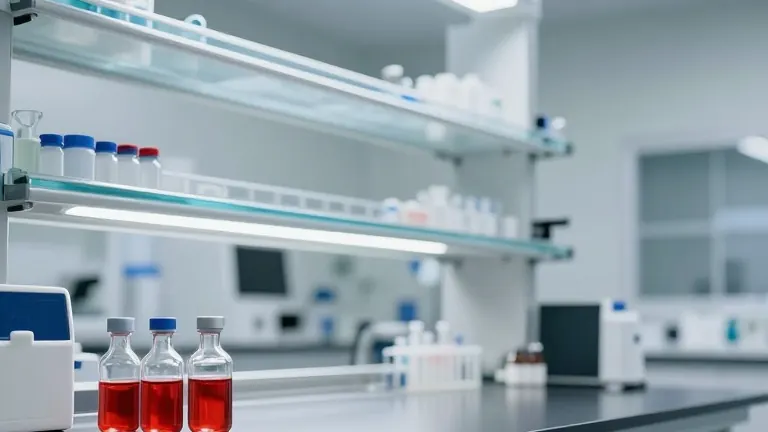
The University of Colorado Anschutz received up to $120 million from the U.S. Department of Defense this fall to advance the development and testing of synthetic blood products.
The grant is the largest federal research award in the university's history. Funds will be distributed over three years through the Defense Advanced Research Projects Agency, or DARPA.
The project, designated RAPIID, aims to evaluate several types of artificial blood substitutes. These include freeze-dried plasma, synthetic platelets, and synthetic hemoglobin-type proteins designed to transport oxygen.
Researchers plan to begin early clinical trials in humans within one year. The goal is to have a suite of fully tested products, along with new diagnostic tools and delivery systems, ready for wide use by the end of the third year.
Dr. Vik Bebarta, an emergency physician and chair of CU Emergency Medicine, leads the effort. He directs the Combat Medicine Research Center, which was founded in 2019.
Bebarta, an Air Force veteran, stated that the project addresses a critical need in trauma care. He noted that donated blood is fragile and often in short supply.
The American Red Cross declared a national blood crisis this summer for the second time in its history. Local provider Vitalant reported a shortage of Type O blood.
Storage constraints limit the utility of donated blood. Red blood cells remain viable for 42 days in refrigeration, while platelets expire after five days. Plasma can be frozen for one year.
Dr. Adit Ginde, an emergency physician and researcher at CU Anschutz, will conduct the clinical trials. He described the challenge of limited supply and logistics as a cause of major adverse outcomes for patients.
The university will not develop the synthetic products but will test those already in development by various companies. Testing will proceed from lab and animal studies to small tests in healthy volunteers, then to patients requiring transfusions.
The Combat Medicine Research Center currently has more than 100 affiliated researchers. It recently signed a first-of-its-kind medical training partnership with the U.S. Army.
CU Anschutz remains the state's largest recipient of federal health research funding. Last fiscal year, its researchers received $392 million from the National Institutes of Health, a figure slightly above previous years. Judges' orders and congressional action prevented proposed federal cuts from taking effect in the last 20 months.