Cybercab Sales Arrive Before Year's End
Tesla confirms its driverless two-seater will reach private buyers by December, though most units will remain in the company's robotaxi fleet.
By Wei Zhang ·
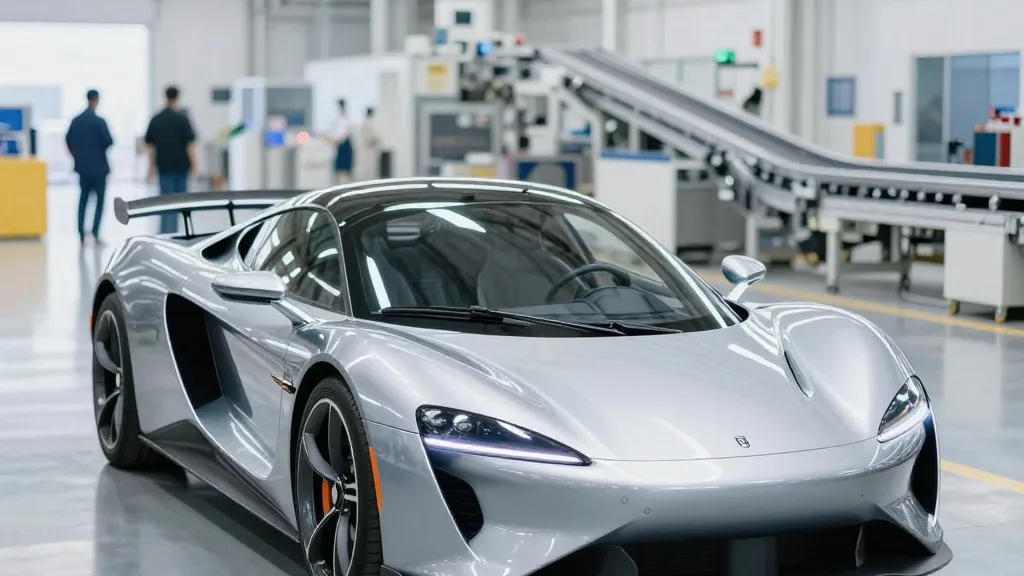
The long-standing question of when Tesla’s driverless two-seater would actually reach the market has finally been answered. After months of speculation regarding the timeline for the Cybercab, the company has locked in a definitive target for private sales. The vehicle is set to hit the roads in customer hands before the end of 2026, marking a significant shift from its initial deployment as a strictly fleet-based asset.
The announcement came during Tesla’s third-quarter 2026 earnings call on October 21. Lars Moravy, the Vice President of Engineering, provided the specific timeline, stating the company is aiming to get these units to customers by year-end. This declaration ends the ambiguity surrounding the vehicle's availability and signals that the production phase is transitioning into a broader distribution model.
To understand how this milestone was reached, one must look at the rapid progression of the Cybercab’s lifecycle. Production of the vehicle began in February, allowing Tesla to build a substantial inventory. By early September, the company had moved beyond internal testing, launching public rides through its Robotaxi service. This early exposure allowed the engineering and operations teams to refine the software and hardware in real-world conditions.
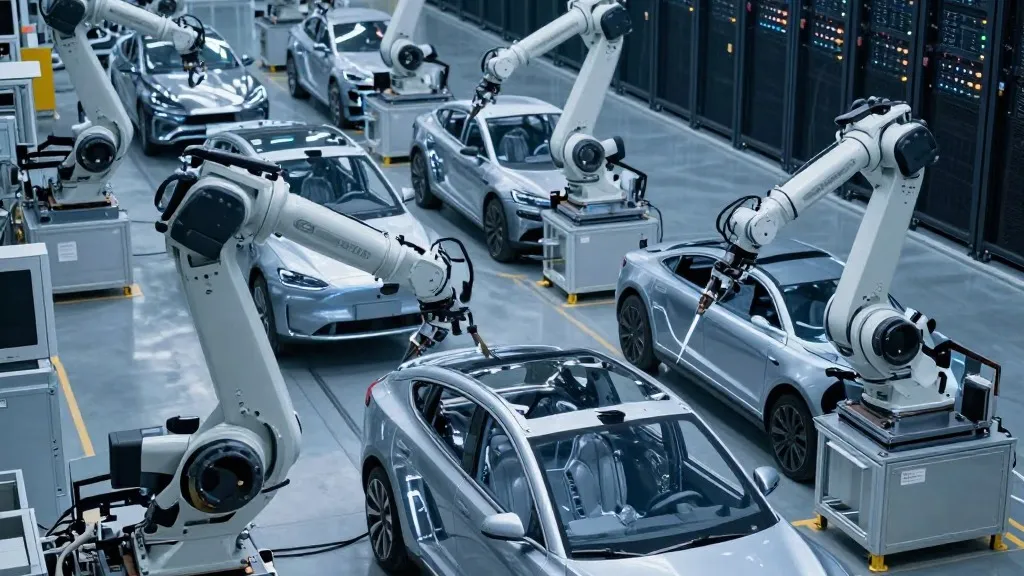
However, the path to private ownership is not immediate for every unit. Moravy clarified that while production is currently active on the line at Gigafactory Texas, the vehicles rolling off the assembly line are initially being allocated to Tesla’s internal Robotaxi fleet. This strategy ensures that the company retains full control over the early autonomous operations, managing the logistics and technical challenges in-house before handing the keys to the public.
The timeline for widespread consumer access is expected to be gradual. As operations scale, Tesla plans to deliver fully designed autonomous vehicles to customers, with the Cybercab serving as the inaugural model. Initial deliveries will be limited in volume. This cautious approach is designed to help the company gain experience in critical areas such as delivery logistics, ownership models, and the complexities of managing a fleet of autonomous vehicles that are no longer under direct corporate control.
Elon Musk, the company’s CEO, reinforced this strategic direction during the same call. He emphasized that the Cybercab is fundamentally different from traditional Tesla models like the Model 3, Model Y, or the upcoming Roadster. Musk described the vehicle primarily as a "transport-as-a-service" offering. He noted that the vast majority of Cybercabs will remain Tesla-owned, functioning as part of a ride-hailing network rather than as personal assets for individual drivers.
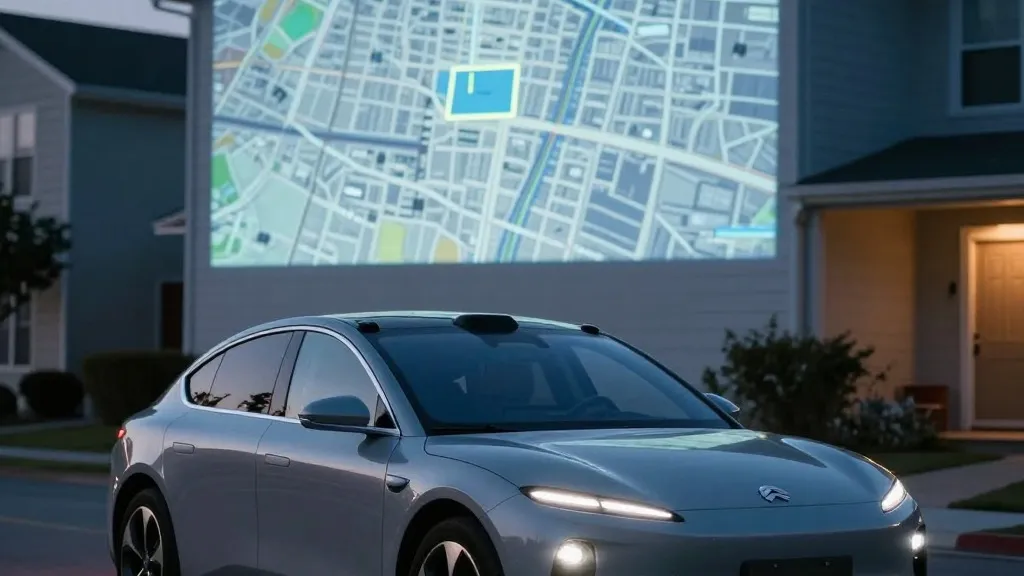
The vehicle itself is a radical departure from conventional automotive design. It is a two-seater that lacks a steering wheel and pedals, relying entirely on Tesla’s Full Self-Driving suite to operate. This dependency on autonomous technology is central to its identity and business model. Tesla has previously indicated an approximate price point of $30,000 for the vehicle, positioning it as an affordable entry into the autonomous transportation market.
Despite the confirmed sales date, several hurdles remain before the first customers take delivery. Ashok Elluswamy, Tesla’s Head of AI, indicated that unsupervised Full Self-Driving is expected to ship to consumer cars during the second quarter of 2027. This suggests that early Cybercab buyers may face geographically restricted autonomous operation due to lagging regulatory approvals in various regions. The company is balancing the push for sales with the need for regulatory and technological readiness.
The next phase for the Cybercab will focus on scaling these initial deliveries. Tesla must navigate the complexities of transferring ownership while maintaining the high standards of its autonomous service. For the national audience, this represents a tangible step toward a future where self-driving vehicles are not just a service, but a product available for purchase, albeit with specific operational constraints in the early days.
Source: Teslarati