Tesla Targets Q2 2027 for a Very Limited Version of Self-Driving
The automaker has pushed back its timeline for unsupervised FSD in customer vehicles, while also narrowing the scope of what the feature will initially allow.
By Valentina Cruz ·
Tesla has announced that its long-promised unsupervised Full Self-Driving capability for customer-owned vehicles will now arrive in the second quarter of 2027. However, the company's AI chief, Ashok Elluswamy, clarified during the Q3 2026 earnings call that this feature will be limited to joining Tesla's own Robotaxi network within designated operational zones. This latest timeline follows years of similar promises from CEO Elon Musk regarding the arrival of full autonomy for its vehicles.
The announcement came in response to a top question from retail shareholders on the earnings call, which was backed by approximately 1.1 million shares. The query specifically asked when unsupervised FSD would be available in customer cars. Elluswamy's response outlined a significant departure from the original vision sold to customers since 2016, which was a car capable of driving itself anywhere, allowing the owner to ride as a passenger.
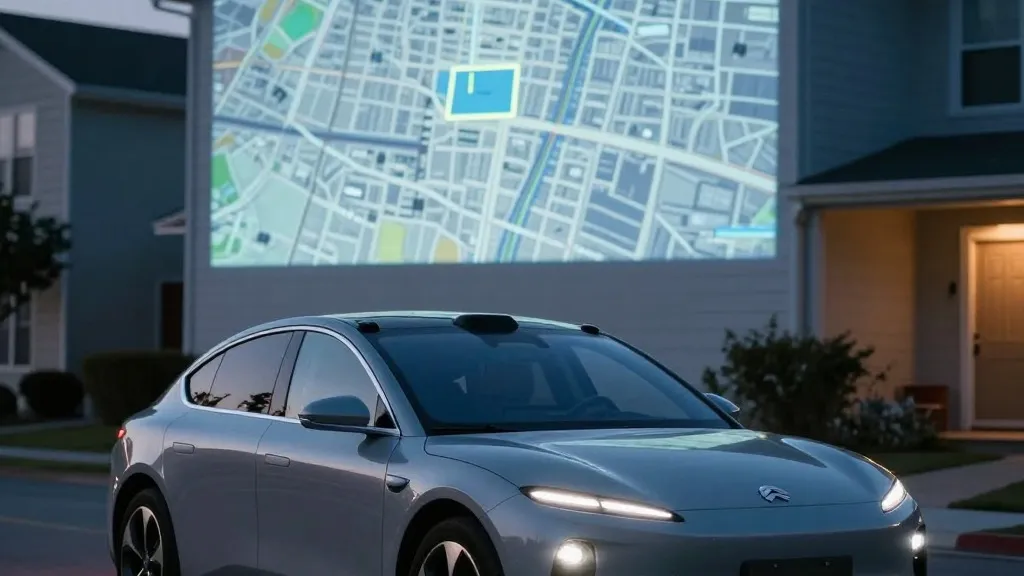
The proposed functionality would not allow an owner's vehicle to drive itself anywhere in the country. Instead, a vehicle's unsupervised operation would be strictly confined to the same small, geofenced areas where Tesla's Robotaxi service currently operates. This means an owner's car would only be able to drive itself in a specific, limited area under Tesla's control.
Tesla's Robotaxi service is currently available in six US metropolitan areas, with most of its operational zones covering only small portions of those cities. For instance, the service area in Miami is largely concentrated in West Miami, extending towards Doral and Sweetwater. Similar small-scale geofences were launched in Orlando and Tampa in July, and the service is restricted to low-speed routes, generally avoiding highways and more challenging urban environments.
Adding to these limitations, the service is not fully unsupervised in all locations. In the Bay Area, for example, California regulations still mandate a safety driver in every vehicle. This requirement stems from Tesla's decision not to release certain data to the California DMV, which is necessary for any system operating beyond level 2 autonomy. This regulatory hurdle is a key part of the background to Tesla's timeline for broader deployment.
The scale of Tesla's current operation is also small compared to its competitors. By the end of Q3 2026, Tesla reported its Robotaxi fleet had accumulated nearly 2 million cumulative unsupervised miles. In contrast, Waymo has already surpassed 3 million miles and operates in both Orlando and Tampa, two markets where Tesla recently launched. This disparity highlights the different stages of development between the two companies.
This revised plan and timeline represent a significant shift from what was originally promised to FSD buyers. The pitch for years has been a car that could eventually drive itself anywhere through a software update. Musk stated in July 2025 that unsupervised FSD would be available "for unsupervised personal use by the end of this year in certain geographies," and he has made similar statements in previous years. Furthermore, owners of vehicles with HW3 hardware have been informed that their computers cannot support unsupervised FSD, with no clear upgrade path offered.
The new target for Q2 2027 therefore narrows the product's scope considerably. The feature would enable an owner's vehicle to join the Robotaxi network, but only within Tesla's designated zones and on its terms. The company's AI chief reiterated that safety remains the primary bottleneck, which is why the service is limited to low-speed roads and simpler environments, and he expressed uncertainty about when these issues will be resolved.
Source: Electrek