Democrats Take Full Control of Congress as Trump Signals Fight
The White House has declared a combative stance, but the new Democratic majorities in both chambers prepare for a two-year agenda of oversight and legislative checks.
By Emmanuel Faure ·
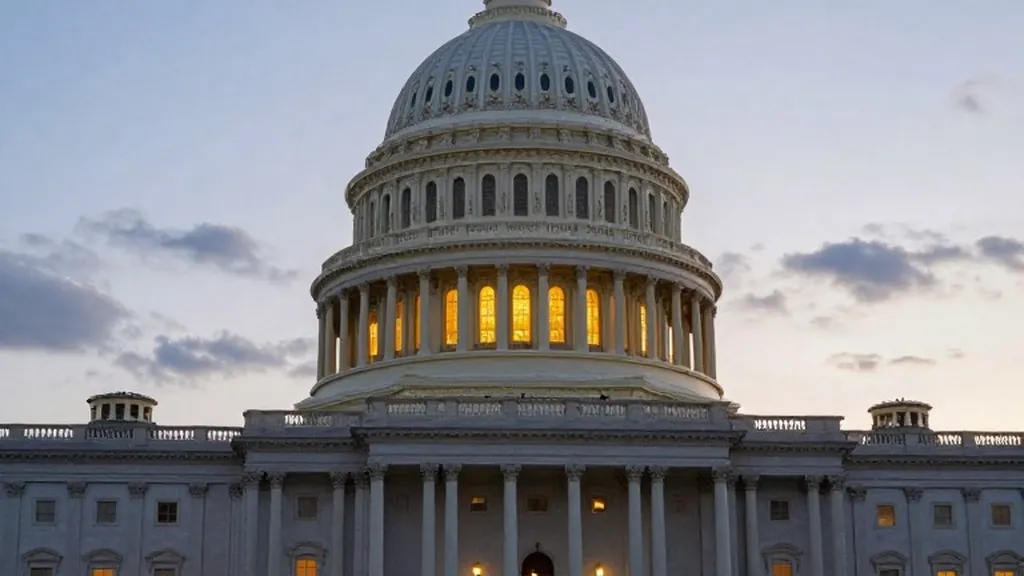
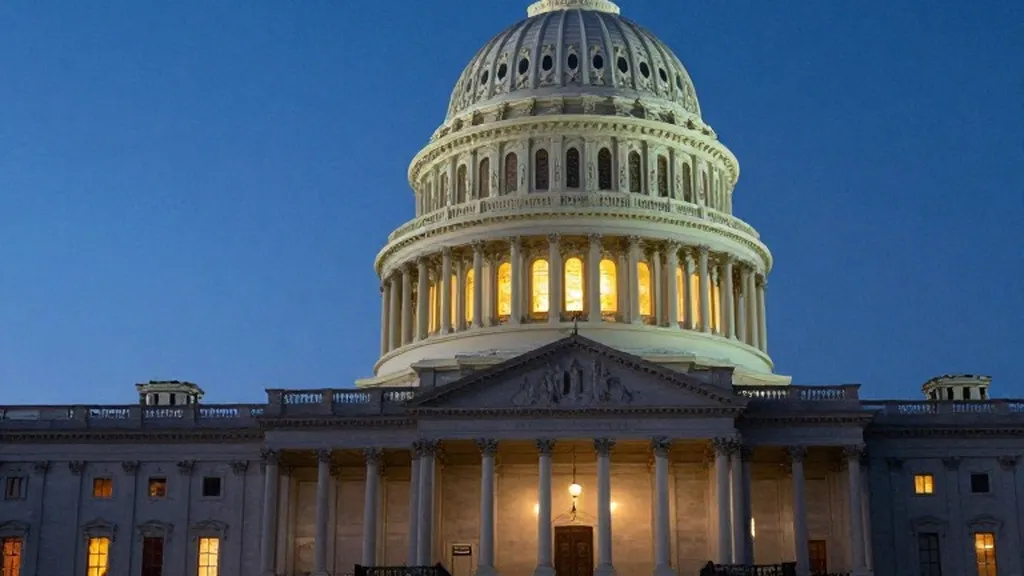
The 2026 midterm elections concluded on Tuesday, November 3, with Democrats securing decisive victories that resulted in full control of both the House of Representatives and the Senate. This outcome marks a significant shift in the balance of power in Washington, as the new congressional leadership prepares to implement an agenda that party officials describe as a mandate for accountability and action on the cost of living. The results signal a period of intense legislative and investigative activity, with the new Democratic leadership vowing to push back against the executive branch while also attempting to pass substantive policy changes for voters.
President Donald Trump reacted to the results with a firm stance, declaring on social media that the investigative requests already initiated by Democrats represent extortion at the highest level. He stated that those making these requests should be held accountable for their aggressive posture. Attorney General Todd Blanche supported this view, noting that criminal investigations of Democratic members of Congress are possible. Blanche argued that lawmakers are not permitted to threaten existing members of the administration or associated companies, a concern he said President Trump shares. This early rhetoric sets the stage for a defined conflict between the branches of government.
In the House, Democratic leader Hakeem Jeffries of New York is poised to become the first Black speaker of the chamber. Jeffries has framed the upcoming session as a time for forceful pushback, particularly regarding the administration's choice of Stephen Miller as chief of staff. Jeffries called the appointment an awful choice and expressed doubt about the prospect of working effectively with Miller. He stated that Democrats are committed to pushing back against the extremism that Miller may try to unleash on the American people. This sentiment is shared across the party, with many members critical of the move given Miller's role in shaping the administration's mass deportation policies.
The new House leadership is already preparing specific investigations. Representative Robert Garcia of California, who is expected to chair the House Oversight Committee, is focusing on what he refers to as the Trump crime family. Garcia stated that the days of Democrats not fighting back are over, indicating a more aggressive tone for the new committee. He emphasized that the party is not going to be intimidated by the executive branch's response to their oversight efforts. This investigative blitz is expected to define the early months of the new Congress, with members preparing to examine various aspects of the current administration's actions.
In the Senate, the Democratic majority has given the party the power to advance its legislative priorities, though internal debates are already emerging regarding the balance between oversight and governance. Senator-elect Adam Hamilton of Kansas, the first Democrat elected to the chamber from that state in 94 years, expressed a preference for setting up guardrails rather than pursuing impeachment as a primary strategy. Hamilton said his campaign was focused on bringing people together and that he does not want the next two years to be spent dividing the country further. He acknowledged that some investigations are necessary to understand what has happened in Washington but cautioned against making conflict the sole focus.
Senator Bernie Sanders of Vermont, an independent who caucuses with Democrats, also warned against an overemphasis on investigations. He stated that while holding the president accountable is important, the party cannot spend all of its time doing so. Sanders emphasized the need to stand up for working-class families and make a real difference in their lives. This perspective reflects a broader concern among some Democrats that their resounding wins could prove fleeting if the agenda becomes defined primarily by conflict with President Trump. The party is tasked with making good on campaign promises to lower the cost of living, a goal that requires legislative progress in addition to oversight.
The election results also included historic firsts for Native American women, marking a turning point for their political leadership. Crystalyne Curley was elected the first woman president of the Navajo Nation, narrowly defeating attorney Justin Jones. Curley, who previously served as the first female speaker of the tribal council, plans to transition the nation away from coal development and reassert its role in federal Indian policy discussions. She stated that she faced sexist rhetoric during her campaign and expects to be held to a higher standard as the first woman to lead the tribe. Her victory is seen by advocates as a seismic shift in their communities.
In the U.S. Senate, Peggy Flanagan of Minnesota became the first Native American woman elected to the chamber. Flanagan, a citizen of the White Earth Nation, credited the support of Native women for her victory. She joined Oklahoma Republican Senator Tom Cole, a citizen of the Chickasaw Nation, in the Senate. In the House, several Native American candidates won historic seats, including Claire Valdez of New Mexico and Sean McCann of Michigan, who became the first Native Americans elected to represent their states in Congress. These victories highlight a wave of milestone wins for Native American candidates in both tribal and federal elections this cycle.
Deb Haaland, a citizen of the Laguna Pueblo, won the governorship in New Mexico, becoming the first female Native American governor of a U.S. state. Haaland, who previously served as the Secretary of the Interior, is tasked with addressing affordability and education outcomes in the state. She described her victory as a long time coming and expressed happiness at the presence of Native women in high political offices. The combination of these federal and state victories represents a significant increase in the representation of Native American women in formal political power, a demographic group whose leadership has rarely translated to these positions in the past.