Nebraska rural hospitals received just 18% of $218 million federal health fund
Hospital leaders say state spending prioritized urban projects and food programs over infrastructure repairs in rural facilities.
By Emmanuel Faure ·
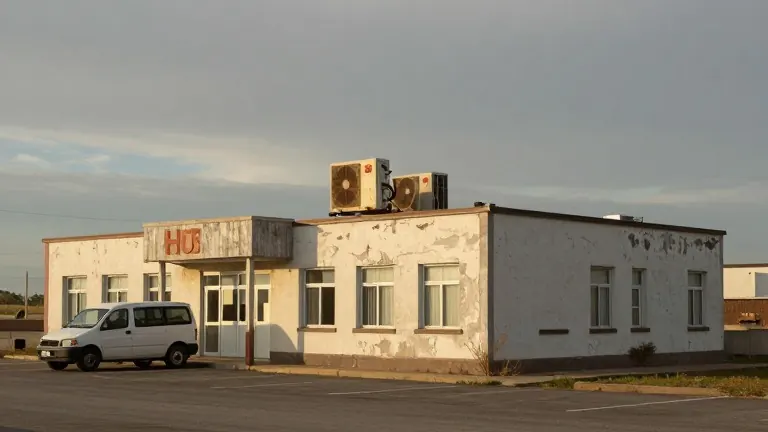
Garden County Health Services, a 58-year-old facility in western Nebraska, received no funding from the state’s recent distribution of federal rural health dollars. The hospital filed for Chapter 9 bankruptcy in August and carries more than $1 million in debt. CEO Sam Pennington sought $828,231 for a new HVAC system and other equipment. The state denied the application in October without providing a specific reason.
Congress allocated $50 billion in 2025 to help rural health providers manage Medicaid cuts. Nebraska received $218 million from that pool. A review of state data shows that less than 20% of the money spent so far has gone to the state’s 60 critical access hospitals and two rural emergency hospitals. By the end of August, the state had earmarked $153 million. At least 11 of those rural facilities received zero dollars.
Spending has concentrated in urban areas and out-of-state entities. Nearly 39% of the funds awarded to agencies in Nebraska’s three most populous counties. More than 17% went to out-of-state groups described as supporting Nebraskans. A Lincoln-based venture development organization received $20 million to invest in health technology startups. The University of Nebraska Medical Center in Omaha received $2 million to train rural hospitals in obstetric care.
State officials argue that urban spending will benefit rural patients. Dr. Mehmet Oz, the administrator of the Centers for Medicare & Medicaid Services, said during an October visit that Washington trusted governors to manage the funds. Governor Jim Pillen joked that if the state squandered the money, federal funding would decrease. He added that he and Oz agreed the state was not blowing it.
Rural providers dispute that assessment. Kyle Kellum, president of Jennie M. Melham Memorial Medical Center in Broken Bow, said his hospital received only $14,700. He described the overall program as ineffective for hospitals. Jed Hansen, director of the Nebraska Rural Health Association, noted that the state invested at least $10.5 million in healthy school lunch programs. He said this does not match the congressional promise of a lifeline for hospitals facing Medicaid reductions.
The state also provided grants to local agricultural businesses. A company producing aronia berry products in Lincoln received $79,438. A flour vendor in Hitchcock County received $40,000. A gardener with an LLC formed in May received two grants totaling $142,000. Ashley Newmyer, director of the Division of Public Health, said these investments aim to prevent chronic disease and reduce future hospital visits.